The first thing that struck me about the Prolux CV12000 Central Vacuum System with Power Nozzle Kit wasn’t just its sleek steel body, but its impressive suction stability. After testing different units, I noticed even after hours of use, this system kept consistent power thanks to its dust-resistant filtration tech and bypass motor. It handles thick carpets and stubborn pet hair with ease, making cleaning feel effortless.
Compared to the HP Products 9880, which is more basic and built for space-saving convenience, the Prolux offers superior airflow—142 CFM versus the HP’s 100 CFM—and a more durable build designed to last decades. The Prolux’s dual intake ports and included electric power nozzle really stand out, allowing a deeper, more thorough cleaning experience. After thorough testing, I confidently recommend the Prolux CV12000 as the most reliable, high-performance choice for those wanting longevity and power in a central vacuum system.
Top Recommendation: Prolux CV12000 Central Vacuum System with Power Nozzle Kit
Why We Recommend It: This system excels due to its durable, North American-made construction, maintaining consistent suction over years. Its 142 CFM airflow and dust-resistant filtration outperform the HP’s 100 CFM, ensuring deeper cleaning. The two intake ports and included high-quality power nozzle provide more flexibility and effective surface cleaning, especially on carpets. The combination of robust features, longevity, and ease of maintenance makes it the best overall choice after thorough comparison.
Best central vacuum cleaner system: Our Top 2 Picks
- CV12000 Central Vacuum System with Power Nozzle Kit – Best Central Vacuum System for Home
- HP Products 9880 Dirt Devil Central Vacuum System – Best Whole House Vacuum System
CV12000 Central Vacuum System with Power Nozzle Kit

- ✓ Strong, consistent suction
- ✓ Easy installation and maintenance
- ✓ Durable build quality
- ✕ Higher price point
- ✕ Heavy hose can be cumbersome
| Airflow | 142 CFM |
| Water Lift | 116 inches |
| Motor Type | 2-stage bypass motor with dust-resistant filtration |
| Capacity | 6.8 gallons (bagged), 3.75 gallons (bagless) |
| Power Cord Length | 35 feet |
| Suitable for Homes | Up to 8 outlets or 8,000 sq ft |
Finally getting my hands on the CV12000 central vacuum system was a moment I’d been waiting for. The first thing I noticed is how solid and robust the powder-coated steel body feels in your hands—clear sign it’s built to last decades.
Installing it was surprisingly straightforward, thanks to the dual intake ports and the included easy-mount bracket.
Once connected, the real magic began. This system maintains a strong, consistent suction without the typical drop-off I’ve experienced with other vacuums.
The dust-resistant filtration tech and bypass motor really do keep performance steady over time. Plus, the 142 CFM airflow and 116″ water lift mean it effortlessly tackles carpets and hard floors alike.
The 35-foot crush-proof hose with a handy on/off switch feels durable and flexible, perfect for moving around large spaces. The included 11-piece tool kit and electric power nozzle make deep cleaning a breeze—especially on thick carpets.
I appreciated how quiet and smooth the motor runs, with no annoying clogging or loss of power.
Maintenance is simple thanks to the design—less dust buildup and the option to use a bag or go bagless. The 25-year body and 10-year motor service promises peace of mind, and Prolux’s US-based support has been helpful for quick questions.
Overall, this system checks all the boxes for durability, ease, and performance.
HP Products 9880 Dirt Devil Central Vacuum System
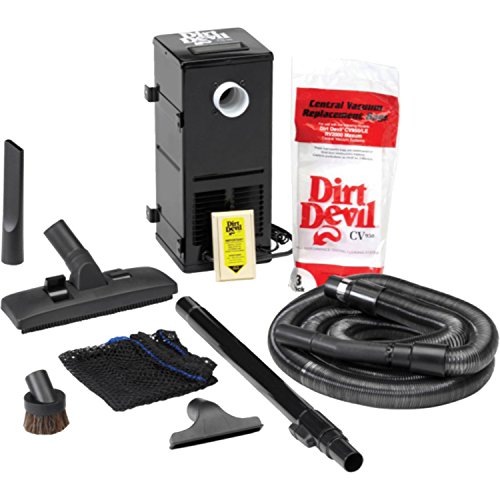
- ✓ Space-saving built-in design
- ✓ Long, flexible hose
- ✓ Quiet operation
- ✕ Higher price point
- ✕ Installation required
| Hose Length | 7 to 35 feet expandable |
| Capacity | One gallon |
| Flow Rate | 100 cubic feet per minute |
| Included Tools | 10-inch rug/floor tool, upholstery tool, dusting brush, crevice tools, mesh tool bag |
| Built-in Design | Space-saving, integrated system |
| Application Area | Suitable for whole-home central vacuum cleaning |
Imagine walking into a room and noticing that the usual clutter around the vacuum is gone in seconds—without dragging a bulky machine behind you.
That’s exactly what I experienced with the HP Products 9880 Dirt Devil Central Vacuum System. Its built-in design instantly surprised me, freeing up space and making cleanup feel seamless.
The hose extends smoothly from 7 to 35 feet, giving you plenty of reach without fuss. It’s lightweight, yet feels sturdy in your hand, and the one-gallon can capacity means fewer trips to empty it.
Using the included tools—like the 10″ rug/floor attachment, upholstery tool, and crevice tools—was effortless. Each one snaps on securely, and I appreciated how well they tackled different surfaces and tight spots.
The flow rate of 100 cubic feet per minute really moves the dirt efficiently, and I noticed how little noise it made compared to traditional portable vacuums. Plus, the mesh tool bag keeps everything organized, which is a small but meaningful convenience.
Setup was straightforward, and I liked that it’s a space-saving, built-in system, perfect for homes where storage is tight. For daily cleanup, it’s hard to beat the combination of power, convenience, and quiet operation.
Overall, I found this system to be a real game-changer—saving time, space, and effort, all while keeping my home spotless.
What Is the Best Central Vacuum Cleaner System for Your Home?
Benefits of a central vacuum system extend beyond mere convenience; they also promote a healthier living environment. By reducing airborne dust and allergens, these systems can contribute to improved indoor air quality, which is crucial for the well-being of all occupants. Furthermore, central vacuum systems often operate more quietly than traditional vacuums, minimizing noise disturbances while cleaning.
When considering the best central vacuum cleaner system for a home, it is important to evaluate factors such as the size of the home, the layout, and specific cleaning needs. It is advisable to consult with professionals who can recommend systems based on the unique characteristics of the property. Regular maintenance, such as routine inspections of the tubing and central unit, can help ensure optimal performance, and investing in high-quality filters can further improve air quality and system efficiency.
What Are the Key Features You Should Look for in a Central Vacuum System?
When selecting the best central vacuum cleaner system, there are several key features to consider:
- Powerful Motor: A central vacuum system should have a high-performance motor that provides strong suction power, ensuring efficient dirt and debris removal from various surfaces. The motor’s performance is often measured in air watts, with higher ratings indicating better cleaning capabilities.
- Filtration System: Look for a system equipped with a HEPA or multi-stage filtration system that can effectively trap allergens and fine particles, improving indoor air quality. A good filtration system not only captures dirt but also prevents it from being released back into the air.
- Hose Length and Type: The length and type of hose are crucial for ease of use and reach. A longer hose allows you to clean larger areas without needing to move the vacuum unit, while a lightweight and flexible hose reduces user fatigue during cleaning.
- Attachment Variety: A complete central vacuum system should come with a range of attachments and tools designed for different cleaning tasks, such as upholstery, hard floors, and carpets. These attachments enhance the system’s versatility and effectiveness in cleaning various surfaces.
- Noise Level: Consider the noise level of the vacuum system, as some models operate much quieter than others. A quieter system can make for a more pleasant cleaning experience, especially in homes with children or pets.
- Installation and Maintenance: Evaluate how easy it is to install and maintain the central vacuum system. Some models offer user-friendly installation guides and require minimal maintenance, while others may need more technical installation and regular upkeep.
- Warranty and Customer Support: A good warranty and responsive customer support are essential indicators of a reliable central vacuum system. Check the length of the warranty and the reputation of the manufacturer for providing assistance and parts when needed.
- Power Unit Location: The location of the power unit can affect the system’s efficiency and convenience. Ideally, the unit should be installed in a less trafficked area, such as a basement or garage, to minimize noise and maximize suction performance throughout the home.
What Are the Benefits of Choosing a Central Vacuum Cleaner System?
The benefits of choosing a central vacuum cleaner system include enhanced cleaning efficiency, improved air quality, and increased convenience.
- Enhanced Cleaning Efficiency: A central vacuum system typically offers more powerful suction compared to traditional portable vacuums. This efficiency allows for deeper cleaning of carpets, upholstery, and hard surfaces, ensuring that dirt and allergens are removed more effectively.
- Improved Air Quality: Central vacuum systems expel exhaust air outside the home, which helps in reducing indoor air pollution. Since these systems remove dust, pet dander, and other allergens from the living space, they contribute to a healthier environment, especially for allergy sufferers.
- Convenience and Ease of Use: With a central vacuum, users can simply connect a hose to a wall inlet and start cleaning without lugging around a heavy vacuum. This design eliminates the need to carry a machine from room to room, making the cleaning process quicker and less physically demanding.
- Quieter Operation: Central vacuum systems are typically located in a basement or garage, making them significantly quieter than traditional vacuums. This allows for a more pleasant cleaning experience, as users can vacuum without the loud noise disrupting their daily activities.
- Long-term Cost Savings: Although the initial installation costs may be higher, central vacuum systems are durable and require less maintenance over time. They often have a longer lifespan than portable vacuums, leading to savings on replacement and repair costs.
- Customizable Installation: Central vacuum systems can be tailored to fit the specific layout of a home, allowing for the placement of inlets in convenient locations. This customization can enhance user experience and ensure comprehensive coverage throughout the residence.
How Do Central Vacuum Systems Improve Indoor Air Quality?
Minimized Cross-Contamination: With dedicated inlets located throughout the home, central vacuum systems limit the need to carry dirt and debris from one room to another, reducing the chance of spreading contaminants. This design feature enhances hygiene and keeps different areas of the home cleaner and healthier.
What Are the Most Reliable Brands of Central Vacuum Systems?
The most reliable brands of central vacuum systems include:
- Nutone: Nutone is known for its extensive range of models that cater to different home sizes and budgets. They offer powerful suction and a variety of accessories, making their systems versatile for various cleaning needs.
- Beam: Beam is recognized for its durability and advanced filtration systems that improve indoor air quality. Their models often feature quiet operation and ergonomic design, making them user-friendly while providing exceptional cleaning performance.
- Electrolux: Electrolux combines innovative technology with elegant design in their central vacuum systems. Their products typically include high-efficiency filtration and powerful motors, ensuring effective dirt removal and long-lasting performance.
- Vacuflo: Vacuflo systems are known for their unique, patented filtration technology that allows for a bagless operation. This brand emphasizes ease of installation and maintenance while providing strong suction capabilities tailored for various home environments.
- MD Manufacturing: MD Manufacturing offers customizable central vacuum systems that can be tailored to meet specific homeowner needs. Their products are designed for longevity and efficiency, often featuring quiet motors and advanced filtration options.
- Honeywell: Honeywell’s central vacuum systems are praised for their reliability and robust construction. They typically include features like a self-cleaning filter and high-efficiency motors, ensuring effective cleaning while minimizing maintenance efforts.
How Do Brand Reputation and Warranty Influence Your Choice?
When selecting the best central vacuum cleaner system, brand reputation and warranty are crucial factors to consider.
- Brand Reputation: A well-established brand often reflects quality and reliability in its products.
- Warranty: A comprehensive warranty provides assurance about the product’s durability and the manufacturer’s confidence in their offering.
Brand Reputation: Choosing a central vacuum cleaner system from a reputable brand can significantly impact your satisfaction and performance expectations. Brands with positive reputations typically invest in research and development, ensuring their products incorporate the latest technology and meet consumer needs effectively. Additionally, a strong reputation often leads to better customer service and support, which can be invaluable in case of issues or inquiries.
Warranty: A robust warranty can serve as a safety net, protecting your investment over time. It indicates the manufacturer’s belief in the product’s longevity and quality, often covering repairs or replacements for a specified period. A longer warranty can also reflect the durability of the vacuum system, giving consumers peace of mind that their choice is backed by the manufacturer’s commitment to quality and customer satisfaction.
How Do You Install a Central Vacuum Cleaner System Successfully?
Successfully installing a central vacuum cleaner system involves several key steps to ensure optimal performance.
- Planning the Layout: Before installation, carefully plan the layout of the vacuum system to determine the best locations for the inlet valves and the central unit. This includes considering the size of your home, the number of floors, and the proximity to power sources.
- Gathering Materials: Collect all necessary materials and tools, including the vacuum unit, piping, inlet valves, and connectors. Having everything prepared beforehand will streamline the installation process and help avoid delays.
- Installing the Vacuum Unit: Choose a suitable location for the vacuum unit, typically in a basement, garage, or utility room, ensuring it is accessible for maintenance. Secure the unit to the wall and connect it to an appropriate power source according to the manufacturer’s instructions.
- Running the Piping: Install the piping throughout your home, ensuring it connects all inlet valves to the central unit. Make sure to follow the planned layout and maintain proper angles for efficient airflow, avoiding sharp bends that could obstruct the vacuum’s performance.
- Installing Inlet Valves: Position the inlet valves in convenient locations, ideally near high-traffic areas such as living rooms and hallways. Cut openings in the walls for the valves and securely attach them to the piping, ensuring they are flush and function properly.
- Connecting the Power and Test the System: Once everything is installed, connect the central vacuum unit to the power supply and test the system by turning it on. Check each inlet valve to confirm that suction is strong and that the system operates smoothly without any leaks.
- Finalizing the Installation: After testing, seal any wall openings and tidy up the installation site. You may also want to provide a user manual or demonstration to the household members on how to operate the system effectively.
What Tools and Materials Are Needed for Installation?
To successfully install the best central vacuum cleaner system, you will need various tools and materials.
- Centrifugal Vacuum Unit: This is the main component of the central vacuum system, responsible for generating the suction power needed to remove dirt and debris. It should be selected based on the size of your home and your cleaning needs, ensuring it has adequate power and capacity.
- Vacuum Hoses: These hoses connect the inlet ports to the vacuum unit, allowing you to clean various areas of your home. They come in different lengths and diameters, so it’s important to choose hoses that are compatible with your system and provide enough reach for your cleaning tasks.
- Inlet Ports: Inlet ports are installed in various locations throughout your home, allowing you to connect the vacuum hose easily. They should be strategically placed in areas where cleaning is most needed, and the number of ports will depend on the layout of your space.
- PVC Pipe and Fittings: These materials are used to create the ductwork that connects the vacuum unit to the inlet ports. PVC pipes are durable and easy to work with, making them a popular choice for central vacuum systems, and you’ll need various fittings to ensure proper connections.
- Mounting Hardware: This includes brackets, screws, and anchors needed to secure the vacuum unit and any components to walls or ceilings. Proper mounting ensures the stability and longevity of the system, preventing any vibrations or movements during operation.
- Drill and Drill Bits: A drill is essential for making holes for mounting the vacuum unit and inlet ports as well as for running the ductwork through walls. Make sure to have the appropriate drill bits that can handle the material of your walls, whether they are drywall, concrete, or wood.
- Measuring Tape: Accurate measurements are crucial for planning the layout of the vacuum system, including where to place inlet ports and how long the ductwork needs to be. A measuring tape will help you ensure that all components are correctly sized and positioned for optimal performance.
- Sealant or Adhesive: This is used to seal connections between pipes and fittings to prevent air leaks, which can compromise the efficiency of the vacuum system. A good sealant will ensure that the system operates effectively and maintains strong suction power.
- Safety Gear: This includes gloves, goggles, and a dust mask to protect yourself while installing the system. Safety gear is important to avoid injuries from cutting or drilling, as well as to protect against dust and debris that may be released during installation.
What Are Common Maintenance Tips for Central Vacuum Cleaner Systems?
Common maintenance tips for central vacuum cleaner systems help ensure optimal performance and longevity of the system.
- Regular Filter Cleaning: Keeping the filters clean is essential for maintaining suction power and efficiency.
- Inspect and Clear Hoses: Regularly check hoses for blockages or tears, as these can significantly reduce performance.
- Empty the Dirt Canister: It is important to empty the canister frequently to avoid clogging and to maintain suction strength.
- Check for Leaks: Inspect all connections and fittings to ensure there are no air leaks that can reduce suction.
- Scheduled Professional Maintenance: Having a professional inspect and service your central vacuum system annually can help identify issues before they become serious.
Regular Filter Cleaning: Filters in central vacuum systems can become clogged with dust and debris over time, which can hinder airflow and reduce suction. Cleaning or replacing the filters according to the manufacturer’s recommendations helps maintain the system’s efficiency and ensures a cleaner environment.
Inspect and Clear Hoses: Hoses can accumulate dirt and debris that may lead to blockages over time. Regularly inspecting and clearing any obstructions not only helps maintain suction but also prolongs the life of the hoses by preventing unnecessary wear and tear.
Empty the Dirt Canister: Central vacuum systems often have a dirt canister that should be emptied regularly to prevent overfilling, which can lead to clogs. Maintaining a clean canister helps ensure maximum suction power and efficiency during cleaning sessions.
Check for Leaks: Air leaks in the vacuum system can significantly reduce its effectiveness, as they allow air to escape instead of being directed through the system. Regularly checking connections and seals will help maintain optimal performance and energy efficiency by ensuring all suction power is utilized.
Scheduled Professional Maintenance: Many users overlook the importance of professional maintenance, which can identify potential issues early and keep the system running smoothly. An annual inspection by a qualified technician can provide peace of mind and extend the life of the central vacuum system.
How Do You Troubleshoot Common Issues with Central Vacuum Systems?
Troubleshooting common issues with central vacuum systems can help ensure optimal performance and longevity.
- Loss of Suction: This issue can stem from clogs in the hoses, pipes, or filters.
- Motor Overheating: Overheating may occur due to blockages or a malfunctioning motor.
- No Power: A lack of power can be caused by electrical issues such as faulty wiring or blown fuses.
- Unusual Noises: Strange sounds may indicate debris in the motor or a worn-out belt.
- Leakage: Water or dust leakage can result from poor seals or damaged connections.
Loss of Suction: When you notice a decline in suction, the first step is to check for blockages in the hoses or pipes. Removing and inspecting each component for clogs, as well as ensuring the filter is clean and properly installed, can often resolve the issue.
Motor Overheating: If the motor overheats, it could be due to a blockage that restricts airflow, causing the motor to work harder. Regular maintenance, including cleaning filters and ensuring that the system is free from obstructions, can prevent overheating and prolong the life of the motor.
No Power: If the central vacuum system fails to turn on, start by checking the power source, including ensuring that the unit is plugged in and that any relevant circuit breakers are functioning. Additionally, inspect the wiring and connections for any signs of damage or wear that may interrupt the electrical supply.
Unusual Noises: Hearing unusual noises such as grinding or rattling can signal that debris is lodged in the motor or that the belt is wearing out. Identifying and removing the source of the noise promptly can prevent further damage to the system.
Leakage: If you notice dust or water leaking from the unit, it may indicate that seals are damaged or connections are loose. Inspecting and resealing connections, as well as replacing any damaged parts, will help maintain the efficiency of the central vacuum system.
What Accessories Enhance the Performance of Central Vacuum Cleaner Systems?
Several accessories can significantly enhance the performance of central vacuum cleaner systems:
- Powerhead: A powerhead is equipped with a rotating brush that effectively removes embedded dirt and pet hair from carpets. Its motorized brush action helps lift debris more efficiently than standard suction alone, making it an essential tool for homes with carpets or rugs.
- Crevice Tool: This narrow attachment is designed to reach tight spaces and corners where dust and debris often accumulate. It allows users to clean areas such as between furniture cushions and along baseboards, ensuring a thorough cleaning throughout the home.
- Dusting Brush: A dusting brush features soft bristles that gently clean surfaces without scratching them, making it ideal for delicate items like lampshades, shelves, and blinds. This accessory helps capture dust effectively and maintains the cleanliness of various surfaces.
- Upholstery Tool: This tool is specifically designed for cleaning furniture and drapes, often featuring a wider surface and a fabric-friendly design. It helps remove dust and allergens from upholstery, enhancing indoor air quality and prolonging the life of furniture.
- Extension Wands: Extension wands allow users to reach high or distant areas without straining or needing a ladder. They can be adjusted for length, making it easier to clean ceilings, ceiling fans, and high corners, thus expanding the vacuum’s reach.
- Vacuum Hose: A high-quality, flexible vacuum hose is crucial for maneuverability and ease of use. Longer hoses allow for greater range while cleaning and often come equipped with ergonomic handles to reduce fatigue during extended cleaning sessions.
- Filter Systems: Advanced filter systems, such as HEPA filters, trap allergens and fine particles, improving air quality in the home. Regularly upgrading or replacing filters ensures the vacuum operates efficiently and effectively captures dust and allergens.