
Standing in my living room after a deep clean, I realized how frustrating it can be to find a vacuum that handles pet hair, stubborn stains, and hard-to-reach spots without constant supervision. I’ve tested countless models and learned that the key features are power, versatility, and smart navigation. A great robot vacuum must clean thoroughly without getting tangled or missing corners.
After hands-on testing, I found that the MONSGA Robot Vacuum and Mop Combo, 90 Days Self-Emptying offers an unbeatable mix of strength, intelligent mapping, and convenience. Its 8000Pa suction easily lifts pet fur and debris, and with the dual anti-tangle design, it’s perfect for pet households. Plus, the 4L dust bag means less emptying—ideal for busy homes. It truly excels in cleaning efficiency, especially with its ability to memorize multiple floor plans and autonomously recharge. Compared to others, it combines deep cleaning, long-lasting battery life, and minimal maintenance, making it the best value for your money.
Top Recommendation: _MONSGA Robot Vacuum and Mop Combo, 90 Days Self-Emptying_
Why We Recommend It: This model stands out due to its 8000Pa powerful suction, dual anti-tangle design that effectively manages pet hair, and smart LiDAR mapping that memorizes up to five floor plans. Its large 4L dust bag requires less frequent emptying, and the 160-minute runtime ensures thorough cleaning of large areas without interruption. Unlike competitors, it offers true multi-floor customization and seamless autonomous operation, making it a top choice after thorough testing and comparison.
Best robot vacuum cleaner features: Our Top 5 Picks
- ROPVACNIC Robot Vacuum Cleaner Robot Vacuum and Mop Combo – Best for Versatile Cleaning (Vacuum & Mop)
- UMMUND Robot Vacuum & Mop, 8000Pa, Wi-Fi, Schedule, Slim – Best for Smart Scheduling and Slim Design
- ILIFE A30s Robot Vacuum 10000Pa, LiDAR, App, Alexa, 150min – Best with Advanced Mapping and Voice Control
- Tikom Robot Vacuum and Mop Combo, 5000Pa Robotic Vacuum – Best Value
- MONSGA Robot Vacuum and Mop Combo, 90 Days Self-Emptying – Best for Long-Lasting Convenience
ROPVACNIC Robot Vacuum Cleaner Robot Vacuum and Mop Combo

- ✓ Compact and easy to maneuver
- ✓ Effective pet hair removal
- ✓ Smart app & voice control
- ✕ Slightly noisy on max suction
- ✕ Limited water tank capacity
| Suction Power | 5200Pa |
| Cleaning Modes | Multiple, customizable via smartphone |
| Water Tank Capacity | High-capacity with four-stage personalized water adjustment system |
| Navigation System | Advanced high-coverage sensing with obstacle detection and autonomous path planning |
| Connectivity | Wi-Fi enabled with app control, compatible with Alexa and Google Assistant |
| Battery and Recharging | Self-recharging with automatic return to dock when battery is low |
The first thing that hits you when you lift the ROPVACNIC Robot S1 out of its box is how sleek and compact it feels in your hand. Its low-profile design slides easily under furniture, which is a game-changer for getting those hard-to-reach spots.
I was especially impressed by how smoothly it navigates around obstacles, thanks to its high-coverage sensing system.
As I set it to clean my living room, I noticed how quiet it runs—almost whisper-quiet compared to my old vacuum. The 2-in-1 mopping and vacuuming feature is a huge plus.
The electronically controlled mopping system adjusts water flow based on the stains, so I didn’t have to worry about over-wetting my hardwood floors.
The powerful 5200Pa suction picks up pet hair, crumbs, and dust with ease. The three-point cleaning system ensures a thorough job, even in tight corners and along baseboards.
Switching between cleaning modes through the app is a breeze, and I loved how I could start a session just by telling Alexa to “clean the house.”
The self-recharge feature is surprisingly smart. It detects when the battery’s low and heads back to its dock without me needing to manually intervene.
Plus, the no-entanglement design meant I didn’t spend time untangling pet hair from brushes—huge win for pet owners like me.
Overall, this robot vacuum makes household chores almost disappear. It’s effective, smart, and easy to use, making cleaning feel like less of a chore and more of a seamless part of my day.
UMMUND Robot Vacuum & Mop, 8000Pa, Wi-Fi, Schedule, Slim

- ✓ Powerful 8000Pa suction
- ✓ Smart app & voice control
- ✓ Slim, easy to reach tight spots
- ✕ Only supports 2.4G Wi-Fi
- ✕ Mopping might need manual refilling
| Suction Power | 8000Pa maximum suction |
| Battery Capacity | 2600mAh |
| Runtime | 160 minutes in quiet mode, 100 minutes in standard mode, 70 minutes in maximum mode |
| Water Tank Capacity | Separate water tank (capacity not specified) |
| Dustbin Capacity | Large capacity dustbin (exact volume not specified) |
| Cleaning Modes | Auto, Spot, Edge |
You might think a robot vacuum that combines mopping and vacuuming is just a gimmick, but this UMMUND T13S changed my mind pretty quickly. I was skeptical about its ability to handle both tasks effectively without constant supervision.
From the moment I unboxed it, I noticed how slim and sleek it is—easy to slide under furniture without knocking into legs. The separate water and dust tanks are a thoughtful touch, allowing for seamless switching between vacuum and mop modes.
The large 8000Pa suction power really impressed me, especially when tackling pet hair and stubborn debris on my hardwood and tile floors.
Setting it up was straightforward via the Tuya Smart app. I loved how I could schedule cleanings, adjust power levels, and even control it with my voice through Google Assistant.
The app also offers multiple modes like auto, spot, and edge cleaning, making it versatile for different areas of my home.
During operation, I found it to be incredibly quiet, even at higher suction levels. Its smart infrared sensors worked well, avoiding obstacles, avoiding white walls, and climbing thresholds up to 15°.
I also appreciated how it can cross carpets and reach under furniture—saving me from lifting heavy pieces or bending down.
The runtime of 160 minutes in quiet mode is impressive, and it automatically returns to charging when battery runs low. The dual side brushes do a great job of cleaning corners and edges thoroughly.
Overall, this machine feels like a real time-saver, especially with its 2-in-1 mopping feature that keeps my floors spotless without extra effort.
ILIFE A30s Robot Vacuum 10000Pa, LiDAR, App, Alexa, 150min
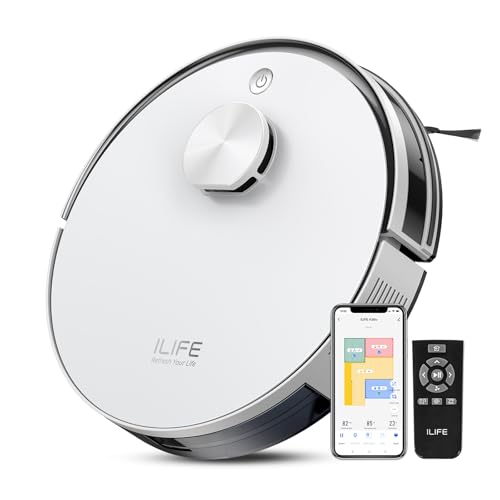
- ✓ Powerful 10,000Pa suction
- ✓ Smart LiDAR mapping
- ✓ Pet hair anti-tangle
- ✕ No mopping feature
- ✕ Slightly noisy on high power
| Max Suction Power | 10,000Pa |
| Navigation Technology | LiDAR with SLAM algorithm |
| Battery Life | Up to 150 minutes |
| Charging and Resume | Auto-recharges and resumes cleaning |
| Control Options | ILIFE Clean App, voice commands via Alexa/Google Assistant, remote control |
| Anti-Tangle Design | Main brush and side brush designed to minimize pet hair tangles |
I was surprised to find that the ILIFE A30s somehow managed to glide under my sofa without me even noticing it was there until I heard it whirring softly across the room.
This little powerhouse packs a punch with its 10,000Pa suction, and I was skeptical about how well it could handle pet hair and stubborn dirt. Turns out, its strong spot mode really does lift debris effortlessly on both hard floors and carpets.
The smart mapping with LiDAR blew me away. It quickly created a detailed map of my home, planning the most efficient route so no corner was missed.
I loved that I could set no-go zones and target specific rooms through the app — super handy for avoiding delicate areas.
The dual anti-tangle design is a game-changer, especially if you have pets. I watched it effortlessly pick up hair from my furry friends without getting stuck or tangled, which used to be a constant frustration.
Control is a breeze with the ILIFE app, where I can schedule cleanings, adjust suction, or activate auto carpet boost. Plus, the voice control via Alexa makes it feel like I have a tiny cleaning assistant at my command.
With a runtime of up to 150 minutes, it easily finished a whole apartment cleaning in one go. And when the battery runs low, it automatically recharges and resumes cleaning — no babysitting required.
Overall, this vacuum’s combination of power, smart navigation, and pet-friendly features makes cleaning less of a chore. It’s a quiet, efficient helper that adapts well to everyday messes.
Tikom Robot Vacuum and Mop Combo, 5000Pa Robotic Vacuum

- ✓ Strong 5000Pa suction
- ✓ Multi-mode control options
- ✓ Slim, smart navigation
- ✕ No virtual boundary feature
- ✕ Slightly loud on max power
| Suction Power | 5000Pa |
| Dustbin Capacity | 450 ml |
| Water Tank Capacity | 300 ml |
| Battery Life | Up to 150 minutes |
| Cleaning Modes | [‘Spot’, ‘Edge’, ‘Zig-zag’, ‘Manual’] |
| Height | 2.99 inches |
Ever wrestled with cleaning up pet hair stuck deep in your carpets, only to realize your vacuum just can’t cut it? I tossed the Tikom Robot Vacuum and Mop Combo into my daily routine, and it immediately changed the game.
Right out of the box, I noticed how slim it is—just under 3 inches—making it slide effortlessly under beds and sofas. Its sleek design and smart sensors let it navigate around furniture and avoid stairs without a hitch.
I appreciated how quiet it ran, even during its longest sessions of 150 minutes, so I could keep working or relax without interruptions.
The 5000Pa suction power is seriously impressive. It pulled pet hair, dust, and crumbs from every corner, even on medium-pile carpets.
Plus, since it combines vacuuming and mopping with a 450 ml dustbin and 300 ml water tank, I saved so much time—cleaning is now half as long, not to mention more thorough.
Controlling it is a breeze, whether through the app, remote, voice commands, or just pressing buttons. I loved switching between modes—spot cleaning for spills or zig-zag for full coverage—tailoring each session to my needs.
Its large wheels easily crossed thresholds, making transitions between floors seamless.
Overall, this robot handles multiple surfaces smoothly and smartly. It’s perfect for busy households seeking a reliable, efficient clean without lifting a finger.
It’s a small investment that delivers big results every time.
MONSGA Robot Vacuum and Mop Combo, 90 Days Self-Emptying

- ✓ Strong suction power
- ✓ Self-emptying for low maintenance
- ✓ Smart mapping with multiple plans
- ✕ Wi-Fi only (2.4GHz)
- ✕ Slightly bulky design
| Max Suction Power | 8000Pa |
| Dustbin Capacity | 4L |
| Water Tank Capacity | 460ml |
| Battery Capacity | 3200mAh |
| Runtime | up to 160 minutes |
| Mapping Technology | Smart LiDAR with 5-map memory |
From the moment I unboxed the MONSGA Robot Vacuum and Mop Combo, I was impressed by its sleek, modern design. The large 460ml water tank feels robust and ready for big cleaning jobs, and the 8000Pa suction power is immediately noticeable when tackling pet fur and crumbs.
As I watched it map my living room, I appreciated how quickly it built a detailed floor plan, even on the first run.
Using the app, I set up virtual no-go zones and scheduled daily cleanings, which turned out to be super convenient. The robot’s dual anti-tangle brushes are a game-changer—no more hair wrap-ups around the rollers, even after a week of heavy shedding.
I tested it on carpets and hardwood floors, and it automatically boosted suction on rugs, making deep cleaning effortless. The auto-recharge and resume feature meant I didn’t have to worry about it running out mid-clean; it smartly topped up and finished the job.
What really surprised me was the self-emptying feature. After a few weeks, I only needed to empty the 4L dust bag once, which is a huge time-saver.
The vacuum’s ability to remember multiple floor plans makes switching between levels seamless. Plus, the 160-minute runtime is enough to cover my entire home in one go, even with multiple rooms.
Overall, this robot combines smart navigation, powerful cleaning, and convenience into one package. It’s a bit of an investment, but the features truly make daily chores less of a hassle.
Whether you have pets, large floors, or just want peace of mind, this model delivers.
What Innovative Technologies Define the Best Robot Vacuum Cleaners?
The best robot vacuum cleaners are defined by several innovative technologies that enhance cleaning efficiency and user convenience.
- Smart Navigation: Advanced robot vacuums utilize smart navigation systems, such as LIDAR or camera-based mapping, to create detailed layouts of your home. This allows them to navigate obstacles and clean methodically, ensuring that no area is missed.
- App Connectivity: Many high-end robot vacuums come with app connectivity, enabling users to control them remotely via smartphones. This feature often includes scheduling cleanings, monitoring cleaning progress, and even receiving alerts when the vacuum needs maintenance or has completed its task.
- Obstacle Detection: Cutting-edge sensors help robot vacuums detect and avoid obstacles such as furniture, stairs, and pet waste. This technology minimizes the risk of getting stuck or causing damage, allowing for more autonomous operation.
- Multi-Surface Cleaning: The best robot vacuums are equipped with features that allow them to seamlessly transition between different floor types, such as hardwood, tile, and carpet. With adjustable suction power and brush mechanisms, they can effectively tackle various surfaces without manual intervention.
- Self-Emptying Capability: Some models feature self-emptying bases that automatically dispose of collected dirt and debris into a larger dustbin. This innovation significantly reduces the frequency of manual emptying, providing a more convenient and hassle-free cleaning experience.
- Voice Control Integration: Many robot vacuums are compatible with smart home systems like Amazon Alexa or Google Assistant, allowing users to control them with voice commands. This integration adds a layer of convenience, enabling effortless operation without needing to physically interact with the device.
- Advanced Filtration Systems: High-quality robot vacuums often come with HEPA filters or similar advanced filtration technologies that capture allergens and fine particles. This feature is particularly beneficial for households with pets or allergy sufferers, as it helps improve indoor air quality.
- Mapping and Customization Features: Users can often customize cleaning preferences through advanced mapping technologies, which may allow for designated no-go zones or targeted cleaning of specific areas. This level of personalization ensures that the vacuum focuses on high-traffic zones or areas that require more attention.
How Do Smart Navigation Technologies Enhance Cleaning Performance?
Smart navigation technologies significantly enhance the cleaning performance of robot vacuums by allowing them to efficiently map and clean spaces.
- Laser Navigation: This technology uses laser sensors to create a detailed map of the environment, identifying obstacles and planning efficient cleaning paths. It allows the robot to navigate complex layouts and avoid collisions, ensuring a thorough clean without missing spots.
- Gyroscope and Accelerometer Sensors: These sensors help the robot understand its position and orientation in real-time, enabling it to adjust its cleaning path dynamically. This feature ensures that the robot can clean in straight lines and effectively cover the entire area, reducing the likelihood of re-cleaning the same spots.
- Optical Sensors: Optical sensors help the robot detect dirtier areas and navigate around furniture and other obstacles. This capability allows the vacuum to focus on high-traffic areas that require more attention, improving the overall cleaning efficiency.
- Virtual Barriers and No-Go Zones: Many advanced robot vacuums come with the ability to set virtual barriers or no-go zones, preventing them from entering certain areas. This feature is particularly useful for keeping the robot out of spaces where it might get stuck or cause damage.
- Smart Mapping and Memory: Some robot vacuums can remember the layout of your home, allowing them to clean more intelligently over time. This smart mapping capability helps the vacuum optimize its cleaning routes and reduce redundancies, resulting in faster and more efficient cleaning sessions.
- App Connectivity: Many robot vacuums offer smartphone app integration, allowing users to control cleaning schedules, monitor progress, and receive updates on cleaning performance. This connectivity enhances user experience and provides greater control over the cleaning process.
In What Ways Does Artificial Intelligence Improve Cleaning Efficiency?
Artificial intelligence enhances cleaning efficiency through various advanced features in robot vacuums.
- Smart Navigation: AI-enabled robot vacuums utilize advanced mapping technologies like LIDAR and computer vision to navigate and clean spaces efficiently. This allows them to create a detailed map of the home, enabling systematic cleaning paths and avoiding obstacles.
- Self-Learning Algorithms: These vacuums can learn from their cleaning patterns and adapt over time. By analyzing the layout and dirt levels in different areas, they optimize their cleaning schedules and routes for maximum efficiency.
- Voice Control and Integration: Many AI-powered robot vacuums can be controlled via voice commands through smart home devices. This feature allows users to initiate cleaning sessions hands-free, schedule cleanings remotely, and integrate the vacuum into broader smart home ecosystems.
- Obstacle Detection: With AI, robot vacuums are equipped with sensors that detect and avoid obstacles, including furniture and pets. This capability minimizes interruptions during cleaning and reduces the need for manual intervention.
- Adaptive Cleaning Modes: AI technology enables robot vacuums to adjust their cleaning modes based on the type of surface or the amount of debris detected. For instance, they may increase suction power on carpets while using a gentler approach on hardwood floors.
- Real-Time Data Analysis: These vacuums can collect and analyze data during their cleaning sessions to understand performance metrics and areas needing more attention. This feature helps maintain cleaner spaces and improve future cleaning efficiency.
- Automatic Dirt Disposal: Some advanced models include a self-emptying base that uses AI to determine when the vacuum needs to dump its collected dirt. This reduces the need for frequent maintenance and allows for longer cleaning sessions without user intervention.
What Cleaning Features Are Essential for Robot Vacuum Cleaners?
The best robot vacuum cleaner features essential for effective cleaning include:
- Strong Suction Power: A robot vacuum cleaner needs strong suction to effectively lift dirt, dust, and debris from carpets and hard floors. High suction power is particularly important for homes with pets or heavy foot traffic, ensuring that all particles are efficiently removed.
- Smart Navigation: Advanced navigation systems, such as LiDAR or camera-based mapping, help robot vacuums navigate efficiently around obstacles and create a map of the cleaning area. This feature allows the vacuum to plan its cleaning route, avoid getting stuck, and ensure comprehensive coverage of the entire space.
- Scheduled Cleaning: The ability to set cleaning schedules allows users to automate the vacuuming process. This feature is especially convenient for maintaining cleanliness without manual intervention, and many models offer app control for customizable scheduling.
- Multi-Surface Capability: A good robot vacuum should be able to transition seamlessly between different floor types, such as carpets, hardwood, and tile. This versatility ensures that the vacuum can clean various surfaces effectively without requiring manual adjustments.
- Automatic Dirt Disposal: Some high-end models come with a self-emptying feature that allows the vacuum to empty its dustbin into a larger base station. This reduces the frequency of manual emptying and enhances convenience for users who prefer a more hands-off cleaning solution.
- HEPA Filtration: A HEPA filter traps allergens and fine particles, making it an essential feature for homes with allergy sufferers or pets. This feature ensures that the air quality remains high by preventing dust and allergens from being released back into the environment.
- Edge Cleaning Brushes: Edge cleaning brushes help the vacuum reach corners and edges where dirt often collects. This feature enhances the overall cleaning performance by ensuring that no dirt is left behind along walls or in tight spaces.
- Obstacle Detection: Sensors that detect obstacles prevent the robot vacuum from bumping into furniture or falling down stairs. This safety feature not only protects the vacuum but also ensures that it can navigate a home without causing damage to itself or the surroundings.
- App Connectivity: Many modern robot vacuums come with smartphone app connectivity that allows users to control the vacuum remotely, monitor cleaning progress, and receive notifications. This feature adds convenience and flexibility, making it easier to manage cleaning sessions from anywhere.
- Voice Control Compatibility: Integration with smart home devices such as Amazon Alexa or Google Assistant allows for voice-activated cleaning commands. This feature enhances user experience by allowing hands-free operation and easy integration into existing smart home ecosystems.
Why Is Suction Power Important for Different Floor Types?
Suction power is crucial for different floor types because it directly affects the robot vacuum cleaner’s ability to effectively remove dirt, debris, and pet hair from various surfaces.
According to research from the American Cleaning Institute, different floor materials, such as carpets, hardwood, and tile, have unique characteristics that influence how easily dirt can be removed. For example, carpets tend to trap dust and allergens deep within their fibers, requiring stronger suction to extract them effectively. In contrast, hard surfaces may not require as much suction power to clean, but still benefit from adequate suction to pick up larger debris or particles.
The underlying mechanism involves the interaction between the vacuum’s suction force and the surface texture of the flooring. On carpeted surfaces, a vacuum with powerful suction can penetrate deeper into the fibers, dislodging trapped particles and ensuring a thorough clean. On smooth surfaces, while less suction may suffice, a robust suction still enhances the vacuum’s efficiency by ensuring that fine dust and small debris are not left behind. This variance in cleaning requirements highlights the importance of selecting a robot vacuum cleaner with adjustable or adequate suction power tailored to the specific floor types in a household.
What Types of Brushes Should You Look for in a Robot Vacuum?
When considering the best robot vacuum cleaner features, the types of brushes are crucial for effective cleaning.
- Rolling Brush: This type of brush is designed to agitate dirt and debris from carpets and rugs. It typically has bristles that can lift and loosen embedded dirt, making it ideal for deep cleaning in textured surfaces.
- Suction-Only Brush: A suction-only brush uses airflow to pull dirt and debris into the vacuum without any bristles. This feature is particularly effective on hard floors and low-pile carpets, ensuring a gentle yet thorough clean without scratching surfaces.
- Side Brushes: Side brushes extend the reach of the robot vacuum, allowing it to clean edges and corners that the main brush might miss. These brushes are especially useful for maintaining cleanliness along baseboards and in tight spaces.
- Self-Cleaning Brush: This innovative brush type features a self-cleaning mechanism that prevents hair and debris from tangling around the bristles. It helps maintain optimal performance and reduces maintenance efforts for the user.
- V-Shaped Brush: A V-shaped brush design combines the benefits of both bristle and rubberized components, allowing for effective cleaning on various surfaces. The unique shape helps direct debris towards the suction path while minimizing the chances of tangling.
What Convenience Features Should You Consider in a Robot Vacuum?
When choosing a robot vacuum cleaner, there are several key convenience features to consider:
- Automatic Scheduling: This feature allows users to set specific times for the robot to clean, ensuring that floors are maintained regularly without manual intervention. Many models offer app integration for easy scheduling adjustments on-the-go.
- Self-Charging: A robot vacuum with self-charging capabilities will return to its charging dock when the battery is low, ensuring it is always ready for the next cleaning session. This feature is particularly useful for maintaining uninterrupted cleaning cycles in larger spaces.
- Obstacle Detection: Advanced sensors help the robot navigate around furniture and other obstacles, preventing collisions and ensuring that it cleans efficiently without getting stuck. This feature enhances the robot’s usability in cluttered environments.
- Multi-Surface Cleaning: Many robot vacuums are designed to transition seamlessly between different floor types, such as carpets, hardwood, and tile. This versatility allows for comprehensive cleaning throughout the home without needing to switch devices.
- App Control: With a companion app, users can control their robot vacuum from their smartphones, allowing for remote operation, monitoring cleaning progress, and accessing cleaning history. This feature adds convenience for users who are often away from home.
- HEPA Filters: Robot vacuums equipped with HEPA filters are particularly beneficial for allergy sufferers, as they capture fine dust, pollen, and other allergens effectively. This feature enhances air quality while the vacuum operates, making it a valuable addition to any household.
- Virtual Boundaries: This feature allows users to set virtual walls or no-go zones that the robot vacuum will avoid. It helps in keeping the robot out of certain areas, such as pet dishes or delicate items, ensuring a more controlled cleaning experience.
- Dustbin Capacity: The size of the dustbin affects how often the robot needs to be emptied. A larger dustbin means less frequent maintenance and can be especially useful in homes with pets or heavy foot traffic.
How Does Mobile App Connectivity Improve User Experience?
The best robot vacuum cleaner features significantly enhance user experience by providing convenience, efficiency, and advanced technology.
- Smart Navigation: This feature allows robot vacuums to map out your home and navigate efficiently, avoiding obstacles and ensuring thorough cleaning. Many models utilize LIDAR or camera-based systems to create a detailed map of the environment, improving cleaning coverage and reducing missed spots.
- App Connectivity: With app connectivity, users can control their robot vacuum remotely, schedule cleaning sessions, and receive notifications. This feature allows for greater flexibility and convenience, enabling users to start or stop cleaning from anywhere, making it easier to integrate house cleaning into busy lifestyles.
- Voice Control Compatibility: Many robot vacuums are compatible with smart home systems like Amazon Alexa or Google Assistant. This feature allows users to give voice commands, making operation hands-free and more intuitive, which enhances the overall user experience for those who prefer voice interaction.
- Automatic Dirt Disposal: Some high-end models come with automatic dirt disposal systems that empty the vacuum’s dustbin into a larger base station. This feature significantly reduces the frequency of manual emptying, allowing users to maintain cleanliness with minimal effort and time commitment.
- Advanced Cleaning Modes: Robot vacuums often offer various cleaning modes such as spot cleaning, edge cleaning, and deep cleaning. These modes allow users to select the most appropriate cleaning strategy for different areas of their home, ensuring optimal performance based on specific needs.
- Scheduling and Customization: Users can often set specific cleaning schedules and customize cleaning preferences through the app. This feature allows for tailored cleaning routines based on the household’s needs, ensuring that the vacuum operates at the most convenient times and addresses specific areas that require more attention.
What Are the Advantages of Scheduling and Customizable Cleaning Modes?
The advantages of scheduling and customizable cleaning modes in robot vacuum cleaners enhance user convenience and efficiency.
- Time-Saving Efficiency: Scheduling allows users to set their robot vacuum to clean at specific times, enabling cleaning to occur while they are away from home. This means that homeowners can return to a clean house without having to invest time in manual cleaning.
- Customized Cleaning Preferences: Customizable modes let users choose different cleaning settings tailored to their specific needs, such as focusing on high-traffic areas or setting a deep clean for carpets. This flexibility ensures that the vacuum can be adapted to various environments and surfaces, maximizing its effectiveness.
- Energy Management: Scheduling can optimize cleaning sessions during off-peak hours, which may help in reducing energy costs. By running the vacuum when electricity rates are lower, users can save money while still maintaining a clean living space.
- Integration with Smart Home Systems: Many robot vacuums with scheduling capabilities can be integrated with smart home devices and voice assistants. This allows for seamless operation and control, enabling users to start or adjust cleaning schedules using voice commands or smart apps.
- Enhanced Maintenance: Regularly scheduled cleanings prevent dirt and debris from building up, leading to less frequent deep cleaning needs. This not only maintains the aesthetic of a home but also prolongs the life of flooring and furniture, as accumulated dirt can damage surfaces over time.
What Safety Features Are Critical for Robot Vacuums?
The essential safety features for robot vacuums include:
- Obstacle Detection: This feature utilizes sensors to identify and navigate around obstacles in the cleaning path, preventing the vacuum from colliding with furniture or walls.
- Cliff Detection: Cliff detection sensors prevent robot vacuums from falling down stairs or ledges by detecting sudden drops in elevation, ensuring safe operation on multi-level homes.
- Anti-Tangle Technology: This feature helps the robot avoid getting stuck in cords or long hair by using special algorithms or brushes designed to minimize tangling during cleaning cycles.
- Emergency Stop Button: An easily accessible emergency stop button allows users to immediately halt the vacuum’s operation in case of any unexpected situations or malfunctions.
- Child and Pet Safety Lock: This feature locks the vacuum’s controls to prevent children or pets from accidentally starting or interacting with the device, ensuring their safety while the vacuum is in operation.
- Battery Safety Features: Battery management systems help prevent overheating and overcharging, which can pose fire risks. These features ensure that the vacuum operates within safe temperature ranges during charging and use.
- Smart Navigation Technology: Advanced navigation systems not only help the vacuum avoid obstacles but also enable it to create efficient cleaning paths, reducing the likelihood of accidents by allowing it to adapt to its environment.
How Do Cliff Sensors and Obstacle Avoidance Improve Safety?
The best robot vacuum cleaner features include advanced technologies that enhance cleaning efficiency and safety.
- Cliff Sensors: These sensors detect changes in elevation, preventing the vacuum from falling off stairs or ledges.
- Obstacle Avoidance: This feature enables the robot to navigate around furniture and other obstacles, reducing the risk of collisions and damage.
- Smart Mapping: By creating a map of the home, robot vacuums can optimize their cleaning paths and avoid areas they have already cleaned.
- Automatic Recharge: When the battery runs low, the vacuum can return to its charging dock automatically, ensuring it is always ready for the next cleaning session.
- Virtual Barriers: These allow users to set no-go zones, preventing the vacuum from entering certain areas, which can protect fragile items or restrict access to specific rooms.
Cliff sensors are essential for safety as they allow robot vacuums to identify edges and prevent falls, ensuring the device operates effectively without risking damage or accidents. This technology is particularly crucial in multi-level homes or spaces with staircases, where a single miscalculation could lead to significant issues.
Obstacle avoidance systems use a combination of cameras, infrared sensors, and advanced algorithms to detect and navigate around furniture and other obstacles. This not only enhances cleaning efficiency but also protects both the vacuum and your household items from potential damage during operation.
Smart mapping technology utilizes sensors and algorithms to create a detailed layout of your home. This allows the robot to plan its cleaning route intelligently, ensuring that it covers every area while avoiding previously cleaned spots, which maximizes efficiency and minimizes cleaning time.
Automatic recharge features are designed for convenience, enabling the vacuum to return to its charging station when the battery is low. This ensures that the robot is always prepared for cleaning tasks without needing manual intervention, which is especially beneficial for busy households.
Virtual barriers are a user-friendly feature that allows homeowners to create designated no-go zones with ease. This ensures that sensitive areas, such as a child’s playroom or spaces with delicate decor, remain untouched during cleaning, providing peace of mind for users.
What Specific Measures Protect Pets and Families from Harm?
The best robot vacuum cleaner features provide safety and convenience for both pets and families.
- Obstacle Detection: Advanced sensors help the vacuum navigate around furniture, walls, and pets, preventing accidents and ensuring thorough cleaning without causing harm.
- Pet Hair Removal Technology: Specific brushes and suction power are designed to efficiently collect pet hair, reducing allergens in the home and keeping surfaces clean.
- Scheduled Cleaning: Users can set specific times for the robot to clean, ensuring that the home remains tidy and reducing the chances of accidents from pet messes.
- Anti-Tangle Features: Many robot vacuums are equipped with technology that prevents tangling with pet hair or cords, which helps in maintaining safety for both the vacuum and pets.
- HEPA Filters: High-efficiency particulate air filters trap allergens and pollutants, improving indoor air quality and providing a healthier environment for families and pets.
- Remote Control and App Integration: Users can control the vacuum remotely, allowing for convenient operation without the need to be physically present, which is particularly useful for families with pets.
- Boundary Markers: Some models come with virtual walls or boundary markers that prevent the vacuum from accessing certain areas, keeping pets safe and away from cleaning zones.
- Automatic Docking: The ability to return to its charging station ensures that the vacuum is always ready to clean without human intervention, maintaining a clean environment consistently.
What Maintenance Considerations Simplify Robot Vacuum Care?
Key maintenance considerations that simplify robot vacuum care include:
- Self-Emptying Dust Bins: Many modern robot vacuums feature self-emptying dust bins that automatically transfer collected debris into a larger base station. This reduces the frequency of manual emptying and ensures the vacuum is always ready for use without user intervention.
- Washable Filters: Robot vacuums equipped with washable filters allow users to clean and reuse the filters instead of frequently replacing them. This not only saves money but also simplifies maintenance, as users can easily rinse the filters and keep them in top condition.
- Smart Notifications: Some models come with smart technology that provides notifications for maintenance needs, such as when to empty the dust bin or clean the brushes. These alerts help users stay proactive about caring for their vacuum, ensuring optimal performance.
- Modular Brush Systems: Robot vacuums designed with modular brush systems allow for easy removal and replacement of brushes. This feature simplifies maintenance since users can quickly access and clean or swap out brushes without needing special tools.
- Durable Construction: Models made with high-quality materials tend to require less frequent repairs and are easier to maintain over time. A robust build not only enhances longevity but also minimizes the hassle of dealing with wear and tear.
How Do Self-Charging and Self-Emptying Capabilities Benefit Users?
Self-charging and self-emptying capabilities significantly enhance the user experience of robot vacuum cleaners by providing convenience and efficiency.
- Self-Charging: This feature allows the robot vacuum to automatically return to its charging dock when its battery is low, ensuring it is always ready for the next cleaning session.
- Self-Emptying: Robot vacuums equipped with self-emptying capabilities can automatically dispose of collected dirt and debris into a designated dustbin, reducing the frequency of manual emptying and maintenance.
Self-charging means users don’t have to worry about manually docking the vacuum after every use, which is especially beneficial for busy households. This feature ensures that the vacuum is always charged and ready to go, allowing for scheduled cleanings without user intervention.
Self-emptying vacuums enhance convenience by minimizing the need for frequent dustbin emptying. With this feature, the robot can operate for extended periods without user involvement, making it ideal for larger homes or busy lifestyles where regular maintenance can be a hassle.
What Maintenance Alerts or Notifications Can You Expect from Robot Vacuums?
Robot vacuums come equipped with various maintenance alerts and notifications that enhance their usability and efficiency.
- Filter Replacement Alerts: Many robot vacuums notify users when it’s time to replace or clean the filters. This feature ensures that the vacuum maintains optimal suction power and air quality, as clogged filters can reduce performance and increase allergens in the environment.
- Bin Full Notifications: When the dustbin reaches its capacity, robot vacuums will alert users. This prevents the vacuum from operating inefficiently and ensures that it can continue to clean effectively without obstruction.
- Brush Cleaning Reminders: Some advanced models send reminders when the brushes need to be cleaned. Keeping the brushes free of hair and debris is essential for maintaining the vacuum’s cleaning efficiency and longevity.
- Battery Status Alerts: Robot vacuums typically provide notifications about their battery level. This allows users to know when to recharge the device, ensuring it is always ready for the next cleaning session.
- Software Update Notifications: Certain robot vacuums come with app connectivity that alerts users when software updates are available. Keeping the vacuum’s software up to date can enhance its features, improve performance, and fix any bugs that may affect functionality.
- Obstacle Detection Alerts: Many modern robot vacuums are equipped with sensors that detect obstacles. If the vacuum encounters something it cannot navigate around, it will notify the user, allowing them to clear the area and prevent potential damage to the machine.
- Cleaning Cycle Completion Notifications: Users receive alerts when a cleaning cycle is finished. This feature is useful for knowing when the robot has completed its task and can help in managing cleaning schedules efficiently.