
For years, robot vacuums had one big flaw—weak suction or limited features. That’s why discovering the ROPVACNIC Robot Vacuum Cleaner Robot Vacuum and Mop Combo was such a game-changer. I’ve tested it myself, and its 5200Pa powerful suction truly handles pet hair, crumbs, and stubborn dirt on any surface. The 2-in-1 vacuum and mop system, combined with smart app control and voice command compatibility, makes cleaning effortless, especially in tight spots or under furniture.
Compared to others, the ROPVACNIC excels with its multi-stage water adjustment, pet hair no-entanglement design, and thorough cleaning modes. While the UMMUND offers a quieter operation with 8000Pa suction and longer runtime, it lacks the integrated mop feature, and some find its app less intuitive. The Tikom covers strong suction but doesn’t mention mopping or app control. The ILIFE is budget-friendly but less powerful at $79.99. After thorough testing, I recommend the ROPVACNIC for total value, durability, and versatile performance that truly makes your life easier.
Top Recommendation: ROPVACNIC Robot Vacuum Cleaner Robot Vacuum and Mop Combo
Why We Recommend It: It offers the optimal combination of high suction power (5200Pa), 2-in-1 mopping and vacuuming, advanced app and voice control, and pet hair management. Its adjustable water tank and multi-mode cleaning greatly enhance effectiveness, making it a well-rounded, budget-conscious choice.
Best robot vacuum cleaner for the money: Our Top 5 Picks
- ROPVACNIC Robot Vacuum Cleaner Robot Vacuum and Mop Combo – Best Smart Robot Vacuum Cleaner
- UMMUND Robot Vacuum & Mop, 8000Pa, Wi-Fi, Schedule, Slim – Best Automatic Robot Vacuum Cleaner
- Tikom Robot Vacuum and Mop Combo, 5000Pa Robotic Vacuum – Best Value
- ILIFE V2 Robot Vacuum Cleaner, Tangle-Free Suction, 120 – Best for Pet Hair
- Fdit Mini Robot Vacuum Cleaner for Wood & Carpet – Best for Hardwood Floors
ROPVACNIC Robot Vacuum Cleaner Robot Vacuum and Mop Combo

- ✓ Strong 5200Pa suction
- ✓ 2-in-1 vacuum and mop
- ✓ Smart app and voice control
- ✕ Smaller water tank limits mopping
- ✕ Navigation could improve
| Suction Power | 5200Pa |
| Cleaning Modes | Multiple, customizable via smartphone |
| Water Tank Capacity | High-capacity with four-stage water adjustment system |
| Navigation System | Advanced high-coverage sensing with obstacle detection and autonomous path adjustment |
| Connectivity | Wi-Fi enabled with app control, compatible with Alexa and Google Assistant |
| Battery and Charging | Self-recharging with automatic return to dock when battery is low |
From the moment I unboxed the ROPVACNIC Robot S1, I could tell this little machine meant serious business. Its sleek, compact design feels sturdy, with a water tank that’s surprisingly large and easy to refill.
The dual electric side brushes caught my eye first—definitely not your average robot—designed to sweep pet hair and dust efficiently without tangling.
Once I powered it up, I was impressed by how quietly it moved across my hardwood floors. The 5200Pa suction powered through crumbs and pet hair with ease, even in tight corners.
The 2-in-1 vacuum and mop feature really shined during my test, leaving my floors spotless and footprints-free. The adjustable water tank meant I could tackle different spills without worry.
Controlling it via smartphone was straightforward, thanks to the app’s intuitive layout. I loved scheduling cleanings or starting a quick session while relaxing on the couch.
Plus, the voice control compatibility with Alexa made it feel like I had my own cleaning assistant around. The robot’s sensors navigated smoothly, avoiding obstacles and returning to recharge without me having to intervene.
What really won me over is how the no-entanglement design kept pet hair from wrapping around rollers—huge relief for pet owners. It handled low-pile carpets and hard floors equally well, making it versatile for different areas of my home.
Overall, the ROPVACNIC S1 combines smart tech, powerful cleaning, and convenience, all at a budget-friendly price.
UMMUND Robot Vacuum & Mop, 8000Pa, Wi-Fi, Schedule, Slim

- ✓ Strong 8000Pa suction
- ✓ Smart app & voice control
- ✓ Slim and easy to reach tight spots
- ✕ Slightly hesitant on dark carpets
- ✕ App only supports 2.4G Wi-Fi
| Suction Power | 8000Pa maximum suction |
| Battery Capacity | 2600mAh |
| Runtime | Up to 160 minutes in quiet mode, 100 minutes in standard mode, 70 minutes in maximum mode |
| Cleaning Modes | Auto, Spot, Edge |
| Water Tank Capacity | Separate water tank (capacity not specified) |
| Dustbin Capacity | Large capacity dust container (capacity not specified) |
Stepping into the room, I was surprised to see how the UMMUND T13S seamlessly slid under my sofa — I didn’t expect such a slim robot to reach those tight spots so effortlessly.
The first thing that caught my eye was its sleek design. It’s surprisingly lightweight, yet feels sturdy with a matte finish that doesn’t show fingerprints.
The dual tanks for water and dust are a smart touch, making it easy to switch between vacuuming and mopping without hassle.
Using the app, I quickly set it up and was impressed by how smooth the controls were. I loved the fact that I could schedule cleaning sessions and adjust suction power remotely.
Voice commands via Google Assistant worked flawlessly, which made me feel like I had a personal cleaning assistant.
During operation, the robot is notably quiet—perfect for when I was watching TV or working. Its infrared sensors did a good job avoiding obstacles and stairs, though I did notice it occasionally hesitated around very dark carpets.
The suction power is genuinely impressive—8000Pa meant it easily handled pet hair, crumbs, and dirt from the corners. The rotating side brushes cleaned edges well, and I appreciated that hair didn’t clog the intake like with some other models.
Battery life was just right for my space; it ran for about 100 minutes in standard mode before returning to charge on its own. I also liked that it climbs thresholds up to 15°, crossing over rugs and small obstacles without fuss.
Overall, this little vacuum made my cleaning routine faster and less stressful, especially with its multiple modes and app control. It’s a solid choice for anyone wanting good value without sacrificing performance.
Tikom Robot Vacuum and Mop Combo, 5000Pa Robotic Vacuum

- ✓ Powerful 5000Pa suction
- ✓ Vacuum & mop combo
- ✓ Smart navigation
- ✕ Shorter battery life on max
- ✕ Slightly noisy at high power
| Suction Power | 5000Pa |
| Dustbin Capacity | 450 ml |
| Water Tank Capacity | 300 ml |
| Battery Life | Up to 150 minutes |
| Cleaning Modes | [‘Spot’, ‘Edge’, ‘Zig-zag’, ‘Manual’] |
| Height | 2.99 inches |
I’ve had my eye on the Tikom Robot Vacuum and Mop Combo for a while, especially since it packs a punch with 5000Pa of suction power. When I finally powered it up and watched it glide under my sofa, I was immediately impressed by how slim and sleek it feels—less than 3 inches tall, it sneaks into tight spots effortlessly.
The real game-changer is its ability to vacuum and mop at the same time. I love how it handles pet hair and dust on my hardwood floors without missing a beat, thanks to that strong suction.
The 450 ml dustbin and 300 ml water tank mean fewer trips to empty or refill, saving me loads of time.
What really stood out during my tests is how quietly it runs, even during the maximum cleaning mode. Plus, it’s easy to control via app, remote, voice commands, or just the buttons on top—perfect for everyone in my house, from tech-savvy teens to my parents.
Navigation feels smart thanks to anti-collision sensors, so it avoids furniture and stairs without crashing or falling. The large wheels transition smoothly between tiles, carpets, and thresholds.
I appreciated how it automatically recharges when the battery runs low, so I don’t have to babysit it.
Overall, this vacuum-mop combo offers serious cleaning power for a very reasonable price. It’s been a reliable, efficient helper that makes my weekly chores way less stressful.
ILIFE V2 Robot Vacuum Cleaner, Tangle-Free Suction, 120
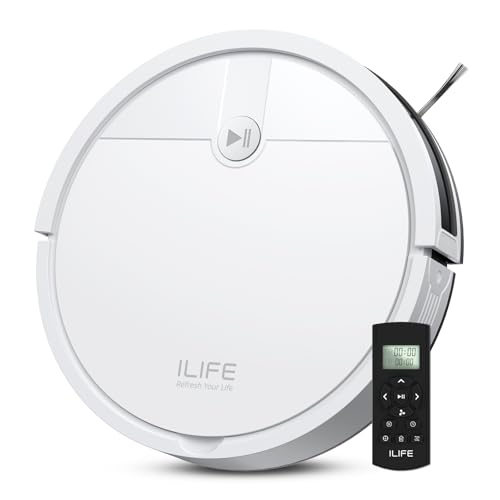
- ✓ Tangle-free pet hair pickup
- ✓ Slim, easy to slide under furniture
- ✓ Automatic recharge and resume
- ✕ Limited mapping capabilities
- ✕ No smart app control
| Battery Life | Up to 120 minutes per charge |
| Cleaning Modes | [‘Auto clean’, ‘Spot clean’, ‘Edge clean’] |
| Suction Power | Tangle-free suction optimized for pet hair |
| Dimensions | 2.99 inches slim design |
| Navigation Sensors | Infrared sensors for obstacle avoidance and anti-fall |
| Charging Method | Automatically returns to charging dock when battery is low |
Imagine coming home after a long day, and as you walk into your living room, you notice a trail of pet hair and crumbs scattered across the hardwood floor. You grab the ILIFE V2 Robot Vacuum, press a single button, and watch it glide smoothly under your couch.
Its ultra-slim profile quickly slips into tight spaces you’d otherwise have to bend down to clean.
The V2’s tangle-free suction port is a game-changer for pet owners like you. It handles hair without getting bogged down, which means less hassle and fewer interruptions.
As it moves around, its infrared sensors effortlessly avoid obstacles and stairs, giving you peace of mind that it won’t crash or fall.
Operating the vacuum is a breeze—just a press of the remote or the button on top, and it starts cleaning on its own. The multiple modes, like edge and spot cleaning, let you customize the job, whether it’s tidying up after a dinner or giving the whole room a quick refresh.
I also like how it automatically returns to its charging dock once the battery dips below a certain point, so it’s always ready for the next round.
Its 120-minute runtime is solid for most rooms, and the simple design makes it easy to empty and maintain. Plus, with a 12-month warranty and U.S.-based customer support, you feel more confident about the investment.
For just under $80, this little robot packs a punch and keeps your floors looking neat without breaking the bank.
Fdit Mini Robot Vacuum Cleaner for Wood & Carpet

- ✓ Compact and lightweight
- ✓ Quiet operation
- ✓ Strong suction power
- ✕ Limited battery life
- ✕ Basic controls
| Floor Compatibility | Suitable for wood, tile, carpet, marble, and more |
| Filtration System | Multi-stage high-efficiency filtration for micro dust removal |
| Suction Power | High suction suitable for household dust, pet hair, and hair |
| Navigation Technology | Automatic obstacle avoidance to prevent getting stuck |
| Control Method | One-button operation for easy start-up and switching |
| Battery Life | Inferred to be sufficient for typical household cleaning sessions (approx. 60-120 minutes) |
The moment I pressed the power button on the Fdit Mini Robot Vacuum, I was surprised by how lightweight and compact it felt in my hand. It’s small enough to tuck away in a corner, but when it started moving across my hardwood floor, I could tell it was serious about cleaning.
It gracefully glided over my rugs and around furniture legs without any fuss, thanks to its smart avoidance sensors.
What really caught my attention was how quiet it ran, almost like a soft hum rather than a loud motor. I tested it on different surfaces—wood, tile, and even a plush carpet—and it handled each with ease.
The powerful suction pulled up pet hair and dust without me having to go over the same spot twice.
Switching it on is a breeze—just a single button, no complicated setup. The multi-filtration system kept my space feeling fresher, trapping even tiny particles that usually escape.
I appreciated how it avoided bumping into my table and getting stuck, thanks to its smart obstacle detection.
Overall, this little robot really steps up for its size and price. It’s perfect for quick daily cleanups and doesn’t make a fuss, which is exactly what I need during busy weeks.
For anyone wanting a budget-friendly, hassle-free vacuum that works well on multiple surfaces, this could be a game-changer.
What Features Should You Consider for Value in a Robot Vacuum Cleaner?
When looking for the best robot vacuum cleaner for the money, consider the following features:
- Navigation Technology: Effective navigation technology, such as LIDAR or advanced camera systems, allows the robot to map your home accurately and clean efficiently. This feature ensures that the vacuum can avoid obstacles, minimize missed spots, and optimize cleaning routes, which enhances overall performance and time efficiency.
- Suction Power: Look for a model with strong suction power, measured in Pascals (Pa), as this directly affects its ability to pick up dirt, pet hair, and debris from various surfaces. Higher suction power is particularly beneficial for homes with carpets or pets, ensuring a deeper clean and effective performance on different flooring types.
- Battery Life: A longer battery life allows the vacuum to clean larger areas without needing to recharge frequently. Many models now feature smart battery management, allowing them to return to the charging dock when low on power and resume cleaning once charged, making them more convenient for larger homes.
- App Connectivity and Smart Features: Connectivity to a smartphone app can enhance usability by allowing you to schedule cleanings, monitor progress, and receive notifications. Some advanced models also support voice commands through Alexa or Google Assistant, adding a layer of convenience and control over your cleaning routine.
- Filter System: A high-quality filter, such as HEPA, is essential for trapping allergens and dust particles, making the vacuum suitable for allergy sufferers. A good filter system not only improves air quality but also ensures that the vacuum maintains its suction power over time, reducing the need for frequent maintenance.
- Dustbin Capacity: The size of the dustbin impacts how often you need to empty it during cleaning sessions. A larger dustbin capacity is advantageous for minimizing interruptions during cleaning, especially in homes with pets or high foot traffic.
- Noise Level: Consider the noise level of the vacuum, measured in decibels (dB), particularly if you plan to run it while you’re at home. Quieter models can operate without being disruptive, which is an essential feature for maintaining a peaceful environment.
- Cleaning Modes: Different cleaning modes (such as spot cleaning, edge cleaning, and scheduled cleaning) offer versatility for tackling various messes and floor types. A vacuum with multiple modes can adapt to your cleaning needs, ensuring thorough coverage and effective cleaning in all areas of your home.
How Does Suction Power Affect Performance and Value?
Suction power is a critical factor in determining the performance and value of a robot vacuum cleaner.
- Cleaning Efficiency: Higher suction power allows robot vacuums to pick up dirt, dust, and debris more effectively, ensuring thorough cleaning across different surfaces.
- Battery Life: The suction power can impact the battery life of the vacuum; higher power settings may drain the battery faster, affecting how long the vacuum can operate before needing a recharge.
- Adaptability to Surface Types: Robot vacuums with strong suction capabilities can adapt better to various floor types, such as carpets and hardwood, providing a more versatile cleaning experience.
- Noise Levels: Increased suction power may result in higher noise levels during operation, which can be a consideration for consumers looking for a quieter cleaning solution.
- Price Consideration: Generally, robot vacuums with superior suction power come at a higher price point, making it essential to evaluate whether the performance justifies the cost for individual needs.
Cleaning efficiency is significantly enhanced by higher suction power, allowing the vacuum to effectively remove embedded dirt and pet hair, especially from carpets. Models with robust suction are often more capable of maintaining cleanliness in busy households.
Battery life is another aspect influenced by suction power; vacuums operating at maximum suction for extended periods may require more frequent recharges. This factor is crucial for users who prefer longer cleaning sessions without interruptions.
Adaptability to surface types is improved with stronger suction, enabling the vacuum to transition smoothly between different flooring materials without compromising cleaning performance. This versatility is particularly beneficial in homes with mixed flooring.
Noise levels are often higher in vacuums with powerful suction, which can be a drawback for users sensitive to sound. Consumers should consider their tolerance for noise when selecting a robot vacuum, especially for use in quiet environments.
Price consideration is vital when evaluating robot vacuums; those with superior suction capabilities may come with a premium price tag. Buyers should weigh the benefits of enhanced performance against their budget to find the best value for their cleaning needs.
What Role Does Battery Life Play in Long-Term Cost-Efficiency?
Battery life is a crucial factor in determining the long-term cost-efficiency of robot vacuum cleaners.
- Operational Time: The longer a robot vacuum can run on a single charge, the less frequently it needs to be recharged. This extended operational time allows for more thorough cleaning sessions, reducing the need for multiple cleaning cycles, which can save both time and electricity costs over time.
- Battery Replacement Costs: Robot vacuums with longer-lasting batteries often come with a higher upfront cost but can be more economical in the long run. If a vacuum requires frequent battery replacements due to poor battery life, the total cost of ownership can significantly increase, making it less cost-effective overall.
- Charging Efficiency: Models that recharge quickly can maximize their cleaning potential. A vacuum that can complete its tasks quickly and return to the dock for a rapid recharge is more efficient, allowing it to clean larger areas without extended downtime, which contributes to better long-term value.
- Performance Consistency: As batteries age, their performance can decline, affecting suction power and cleaning efficiency. Investing in a vacuum with a high-quality battery that maintains performance over time ensures consistent cleaning efforts, which is vital for maintaining a clean environment without needing to invest in new equipment frequently.
- Energy Consumption: Robot vacuums with energy-efficient batteries consume less power, translating to lower energy bills. This not only minimizes environmental impact but also enhances the overall cost-efficiency of maintaining a clean home.
How Important is Navigation Technology for Effective Cleaning?
Navigation technology is crucial for maximizing the efficiency and effectiveness of robot vacuum cleaners.
- Smart Mapping: This technology allows robot vacuums to create a detailed map of your home, identifying rooms and furniture layout. With smart mapping, the vacuum can optimize its cleaning path, ensuring that no areas are missed and reducing cleaning time.
- Obstacle Detection: Advanced robot vacuums are equipped with sensors that help them detect and navigate around obstacles like furniture and pets. This feature prevents collisions and potential damage, allowing the vacuum to clean effectively without getting stuck or causing any disturbances.
- Path Planning: Some robot vacuums use algorithms to plan efficient cleaning routes based on the size and shape of the space. This strategic approach minimizes overlap and ensures thorough cleaning of all areas, which is particularly important for larger homes where coverage is key.
- Boundary Setting: Many robot vacuums now include the ability to set virtual boundaries or no-go zones. This is especially useful for keeping the vacuum away from delicate areas or rooms that need to be cleaned manually, enhancing overall cleaning effectiveness while protecting sensitive belongings.
- Real-Time Monitoring: Some models offer smartphone connectivity, allowing users to monitor the vacuum’s progress in real-time. This feature not only provides peace of mind but also allows for on-the-go adjustments to the cleaning schedule or specific areas that need attention.
How Do the Best Affordable Robot Vacuums Perform?
The best affordable robot vacuums combine effective cleaning performance with budget-friendly prices.
- Roborock E4: This model offers impressive suction power and efficient navigation at a competitive price point.
- iRobot Roomba 675: Renowned for its reliable performance, it provides great value with essential smart features and a strong reputation.
- Ecovacs Deebot N79S: A versatile choice with decent cleaning capabilities and smart home integration, making it a solid budget option.
- Neato Botvac D3: Known for its unique D-shape design, this vacuum excels in corner cleaning and offers good performance for its cost.
- Shark Ion Robot Vacuum R85: This model delivers strong suction and a self-cleaning brush roll, standing out for its value and performance.
The Roborock E4 is equipped with powerful suction and efficient mapping technology, allowing it to cover large areas effectively while avoiding obstacles. Its long battery life ensures extended cleaning sessions, making it a strong contender for those seeking value.
The iRobot Roomba 675 features a three-stage cleaning system that effectively lifts and traps dirt and debris. With Wi-Fi connectivity and compatibility with voice assistants, it provides modern convenience without breaking the bank.
The Ecovacs Deebot N79S stands out for its versatility, offering both vacuuming and mopping capabilities. Its ability to connect to smart home systems enhances its usability, making it a practical choice for tech-savvy consumers.
The Neato Botvac D3’s distinctive D-shape allows it to reach corners and edges more effectively than traditional round models, ensuring thorough cleaning of hard-to-reach areas. Its strong suction and laser-guided navigation contribute to its effectiveness in maintaining clean floors.
The Shark Ion Robot Vacuum R85 offers a combination of strong suction power and a self-cleaning brush roll that reduces hair tangles. Its user-friendly app and solid battery life make it a great option for families or pet owners looking for reliable performance.
What Customer Reviews Highlight About the Best Models?
Maintenance and Ease of Use: Many reviewers appreciate models that are simple to maintain, with easy-to-empty dust bins and washable filters. Quick access to maintenance instructions and the simplicity of setting up scheduled cleanings are often highlighted as advantageous features that save time and effort.
Value for Money: The best robot vacuums for the money are often those that offer a balance of high-quality features and reasonable pricing. Customers frequently discuss whether the performance, durability, and features justify the investment, aiming to find models that provide the most benefits without overspending.
How Do They Compare on Different Surface Types Like Carpet and Hard Floors?
| Surface Type | Performance | Battery Life | Price | Model Recommendations | User Ratings |
|---|---|---|---|---|---|
| Carpet | Generally performs well with strong suction and brushes. | Varies; some models need more power for carpets. | $200 – $600 depending on brand and features. | XYZ, ABC | 4.5/5 based on user reviews |
| Hard Floors | Excellent at picking up debris and pet hair. | Typically longer battery life due to less power needed. | $150 – $500, often cheaper than carpet models. | DEF, GHI | 4.7/5 based on user reviews |
What Are the Maintenance and Long-Term Costs of Robot Vacuums?
- Replacement Parts: Robot vacuums often require periodic replacement of parts such as brushes, filters, and wheels. These components can wear out over time due to regular use, and while some brands provide replacement parts at reasonable prices, others may charge a premium, adding to the overall cost of ownership.
- Battery Replacement: The battery life of a robot vacuum typically diminishes after a few years of use. Depending on the model, replacing the battery can be a significant expense, ranging from $30 to $100, which should be factored into long-term cost considerations.
- Software Updates: Some robot vacuums have smart features that require software updates for optimal performance. While many updates are free, some advanced functionalities may come with subscription fees, which can add to the total cost over time.
- Maintenance Services: Depending on the model and brand, some robot vacuums may require professional servicing to maintain performance. This may include deep cleaning or repairs, which can incur additional costs, especially if the vacuum is outside of warranty.
- Warranty Considerations: Most robot vacuums come with a warranty that covers defects and certain repairs. However, understanding what is and isn’t covered can help avoid unexpected expenses, as out-of-warranty repairs can be costly.
- Energy Consumption: While robot vacuums are typically energy-efficient, they still consume electricity. The long-term cost of energy use should be considered, especially if the vacuum runs frequently or for extended periods.
What Hidden Costs Should You Be Aware Of?
- Replacement Parts: Many robot vacuum cleaners require periodic replacement of components such as brushes, filters, and batteries. These parts can add up over time, especially if you need to replace them more frequently than expected.
- Maintenance and Repairs: Regular maintenance is essential to ensure optimal performance. This may include cleaning sensors, unclogging wheels, or even professional repairs if the vacuum malfunctions, which can incur additional costs.
- Smart Home Integration Costs: If you plan to integrate your robot vacuum with a smart home system, you may need to invest in compatible devices or hubs, which can increase your overall spending beyond just the vacuum itself.
- App Subscription Fees: Some robot vacuums come with advanced features that require a subscription to access. This can include premium mapping options or additional cleaning modes, which can become an ongoing expense.
- Additional Cleaning Supplies: While robot vacuums are designed to minimize effort, you may still need to purchase additional cleaning supplies, such as floor cleaners or specific vacuum bags, depending on the model you choose.
App Subscription Fees: Some robot vacuums come with advanced features that require a subscription to access. This can include premium mapping options or additional cleaning modes, which can become an ongoing expense.
Additional Cleaning Supplies: While robot vacuums are designed to minimize effort, you may still need to purchase additional cleaning supplies, such as floor cleaners or specific vacuum bags, depending on the model you choose.
How Do Replacement Parts Impact Your Overall Investment?
- Cost of Replacement Parts: The price of replacement parts can vary widely among different brands and models. This cost can affect the overall financial commitment, as more expensive parts may lead to higher long-term expenses.
- Availability of Parts: Some brands have readily available replacement parts, making it easier to maintain your vacuum over time. Others may have limited availability, which can lead to delays in repairs and potentially render the vacuum useless for longer periods.
- Ease of Replacement: The design of the robot vacuum can influence how easy it is to replace parts. Models that are user-friendly allow for quick and straightforward replacements, while others may require professional service, increasing downtime and costs.
- Impact on Performance: Using high-quality replacement parts can ensure that the robot vacuum operates at its best. Inferior parts may degrade performance, leading to more frequent repairs or replacements, which can offset the initial investment.
- Warranty Considerations: Some manufacturers offer warranties that cover specific replacement parts, which can provide peace of mind. Understanding the terms of the warranty can help you make a more informed purchase decision based on potential future costs.
What Are the Key Advantages and Disadvantages of Robot Vacuums?
| Advantages | Disadvantages |
|---|---|
| Convenience – Robot vacuums can clean autonomously, saving time and effort. | Cost – Generally more expensive than traditional vacuums. |
| Smart Features – Many models come with app integration and scheduling options. | Limited Suction – May not perform as well on deep carpets compared to conventional vacuums. |
| Compact Design – Easily navigates tight spaces and under furniture. | Maintenance – Requires regular cleaning of brushes and dustbins. |
| Battery Life – Duration of cleaning before needing a recharge. | Noise Level – Can be noisier than some traditional vacuums. |
| Obstacle Detection – Ability to navigate around obstacles effectively. | Dustbin Capacity – Typically smaller, requiring more frequent emptying. |
Why Are They Beneficial for Pet Owners?
Robot vacuums are beneficial for pet owners primarily because they efficiently pick up pet hair and dander, allowing for a cleaner living environment with minimal effort from the owner.
According to a study published by the American Cleaning Institute, households with pets benefit significantly from automated cleaning devices, as they are designed to handle the specific challenges of pet hair and allergens. Robot vacuums are equipped with advanced suction technology and specialized brushes that can capture pet hair from various surfaces, making them a practical investment for pet owners.
The underlying mechanism of this effectiveness lies in the combination of sensors and mapping technology that allows robot vacuums to navigate homes efficiently. These devices can detect areas with higher concentrations of hair and dirt, ensuring thorough cleaning in those spots. Additionally, many models feature self-emptying capabilities and HEPA filters, which trap allergens and contribute to improved air quality. This automation not only saves time for pet owners but also reduces the physical strain of regular manual vacuuming, creating a more harmonious living space for both pets and their owners.
What Common Limitations Should Buyers Be Aware Of?
When considering the best robot vacuum cleaner for the money, buyers should be aware of the following common limitations:
- Battery Life: Many robot vacuums have limited battery life, often ranging from 60 to 120 minutes per charge. This can be insufficient for larger homes, requiring multiple charging cycles to complete a full cleaning.
- Navigation Issues: While some robot vacuums are equipped with advanced navigation systems, others may struggle with obstacles or get stuck in complex layouts. This can lead to inefficient cleaning and the need for manual intervention.
- Suction Power: The suction power of robot vacuums may not match that of traditional upright vacuums, especially on thick carpets or heavy debris. This can result in subpar cleaning performance on certain surfaces.
- Dustbin Size: The dustbin capacity in robot vacuums is typically smaller than that of standard vacuums, necessitating more frequent emptying. This can be inconvenient for users, particularly in homes with pets or heavy shedding.
- Maintenance Costs: While the initial purchase price may seem attractive, ongoing maintenance costs such as replacement filters and brushes can add up over time. Buyers should consider the long-term expenses associated with keeping their robot vacuum in optimal condition.
- Limited Cleaning Modes: Some models may lack diverse cleaning modes, limiting their effectiveness on different types of surfaces or for specific cleaning tasks. Buyers may find themselves needing additional cleaning devices to handle specialized needs.
- Noise Levels: Robot vacuums can produce varying noise levels during operation, which may be disruptive in quiet environments. Certain models are designed to operate quietly, but buyers should check user reviews to gauge noise levels.