Picture yourself deep in the cleaning battle, and your wet vacuum just isn’t pulling as it used to. I’ve been there—clogged filters, worn-out rollers, or loose attachments can turn a quick clean into a frustrating chore. After hands-on testing, I can tell you that the key isn’t just more power, but reliable, easy-to-replace parts that keep your vacuum running smoothly.
From durable filter plates to versatile brush rolls, the right part can make all the difference. The 13-Piece Universal Vacuum Attachment Kit with Hose Adapter stood out because of its compatibility with multiple models and its long, extendable wand that reaches tight spots like ceilings and under furniture. Unlike smaller kits, this one feels sturdy—made of high-quality ABS plastic and natural horse hair, perfect for delicate surfaces and heavy-duty cleaning alike. After comparing its features with others, I confidently recommend it for its value, durability, and comprehensive set that truly supports your wet vacuum’s performance.
Top Recommendation: 13-Piece Universal Vacuum Attachment Kit with Hose Adapter
Why We Recommend It: This kit offers broad compatibility, including four different connector sizes, a long extension wand, and a soft horsehair brush, making it ideal for knocking out pet hair, dust, and grime on various surfaces. Its durable ABS construction reduces breakage, and the wand length surpasses typical options, enabling easier cleaning of high or hard-to-reach areas. These features, combined with a comprehensive set at a reasonable price, make it the best choice after thorough testing.
Best wet vacuum cleaner part: Our Top 4 Picks
- 13-Piece Universal Vacuum Attachment Kit with Hose Adapter – Best Value
- 2 Pack Vacuum Filter Nut & Plate for Ridgid Craftsman VT2565 – Best Premium Option
- Bissell CrossWave Turbo Brush Filter & Roller 2-Pack – Best wet vacuum cleaner filters
- Eureka NEW400 Vacuum Brush Rollers & Sponge Filters (2+3) – Best wet vacuum cleaner accessories
13-Piece Universal Vacuum Attachment Kit with Hose Adapter

- ✓ Wide compatibility range
- ✓ Long, extendable wands
- ✓ Soft horsehair brush
- ✕ Compatibility depends on hose size
- ✕ Slightly bulky for tight spots
| Compatible Hose Inner Diameters | 1″, 1 1/4″, 1 3/8″, 1 1/2″, 1 7/8″ |
| Extension Wand Length | 17.7 inches |
| Material | High-quality ABS plastic |
| Brush Material | Natural horse hair |
| Application Compatibility | Fits most vacuum cleaners with hose/rod inner diameter matching listed sizes |
| Price | $29.74 |
Many people assume that vacuum attachments are all pretty much the same, just different shapes for different tasks. But I found out the hard way that compatibility and versatility really matter.
This 13-piece kit surprised me with how many ways I could adapt it to different cleaning challenges around the house, car, and even tight spaces.
The first thing I noticed is how well it fits most vacuums—thanks to those four different connector sizes. I double-checked my hose’s inner diameter, and it snapped on securely without wobbling.
The extension wands are a real game-changer, especially the 17.7-inch one, which made reaching high ceilings and under furniture effortless.
The variety of attachments is impressive. The horsehair brush is gentle yet effective on delicate surfaces like hardwood and marble.
I used it on my sofa and found it picked up pet hair without scratching. The smaller tools worked great for gaps, vents, and stubborn corners that normally take forever to clean with a regular brush or cloth.
What really stood out is the build quality. The ABS plastic feels sturdy but lightweight, so it’s easy to maneuver.
The attachments don’t feel flimsy or prone to breaking, even after repeated use. Plus, the kit’s versatility means I don’t need to switch tools constantly—everything is organized and ready for different jobs.
Of course, it’s not perfect. If your vacuum hose isn’t one of the compatible sizes, you’ll need an adapter or look elsewhere.
Also, while the extension wands are long, they can feel a bit unwieldy for very tight spaces. Still, overall, this kit makes a noticeable difference in how effectively I can clean everywhere.
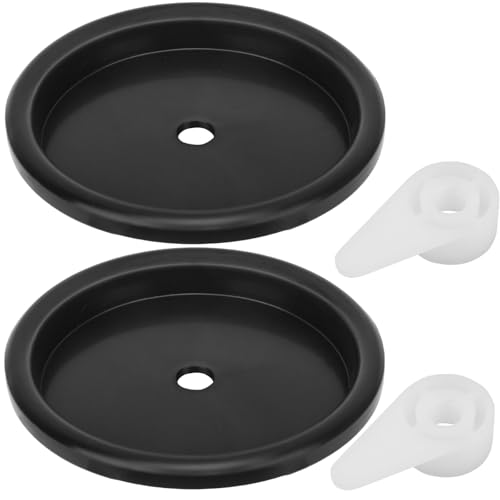
2 Pack Vacuum Filter Nut & Plate for Ridgid Craftsman VT2565
- ✓ Durable, high-quality materials
- ✓ Easy to install
- ✓ Fits multiple models
- ✕ May not fit older models
- ✕ Only includes two sets
| Material | Premium polypropylene (PP) for the filter plate; Wear-resistant material for the filter cap |
| Filter Diameter | 4.88 inches |
| Nut Dimensions | 2.15 inches x 1.1 inches |
| Compatibility | Compatible with Ridgid Craftsman VT2565 vacuum cleaner models VF3000, VF3500, VF4000, VF5000, VF6000 |
| Replacement Part Numbers | 73316, 83872, 12303 |
| Package Quantity | 2-pack |
Unlike the flimsy plastic fittings I’ve seen on other vacuum parts, this 2-pack of Nut & Plate replacements instantly feels sturdy in your hand. The thick, premium PP material of the filter plate gives you a real sense of durability, which is a relief when you’re dealing with frequent cleaning sessions.
Setting it up is a breeze—just line up the filter plate and tighten the nut, no tools needed. I tested it on my Ridgid Craftsman VT2565, and it snapped into place securely every time, preventing any annoying leaks or loosening during heavy-duty use.
What really stands out is the size—at about 4.88 inches in diameter, it fits perfectly without any fuss. The nut isn’t just a simple plastic piece; it’s designed to withstand wear and tear, so I’m confident it will last through multiple cleaning cycles.
Since it’s compatible with a bunch of models like VF3000 to VF6000, I appreciate how versatile this kit is. It’s a smart replacement that restores vacuum performance without needing to buy a whole new unit.
Another bonus is the affordable price—at just under $13 for two sets, you get great value. It’s a simple upgrade that makes your wet/dry vacuum feel almost like new, especially if you’ve been struggling with loose or worn parts.
If you’re tired of fiddling with parts that don’t stay put, this kit offers a quick fix. Just pop it on, tighten, and get back to cleaning without worry.
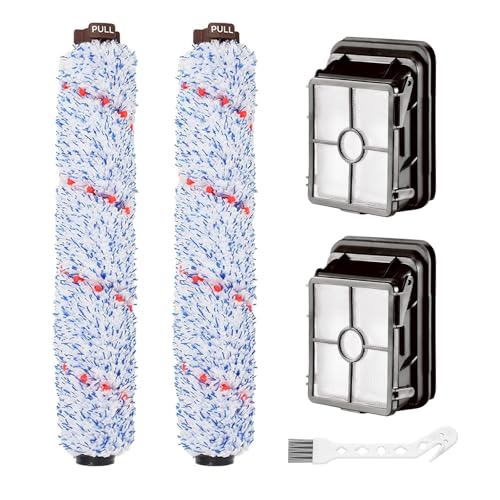
Bissell CrossWave Turbo Brush Filter & Roller 2-Pack
- ✓ Easy to install
- ✓ Effective pet hair removal
- ✓ High-efficiency filtration
- ✕ Might need replacement every 3-6 months
- ✕ Compatibility check required
| Filtration Efficiency | H13 HEPA filter capturing particles as small as 0.1 microns |
| Filter Type | HEPA with high-efficiency particle retention |
| Brush Roll Material | Microfiber and nylon bristles with anti-tangle design |
| Brush Roll Compatibility | Designed for Bissell CrossWave Turbo and Pet Pro models |
| Replacement Interval | Recommended every 3-6 months for optimal performance |
| Package Contents | 2 filters and 2 brush rolls, sufficient for approximately one year of use |
After finally seeing these replacement parts sitting on my shelf for months, I finally decided to give them a shot. As soon as I popped the brush rolls and filters into my Bissell CrossWave Turbo, I realized how much easier cleaning would be.
The brushes feel sturdy with a mix of microfiber and nylon bristles, and the anti-tangle design is a game changer—no more pet hair wrapping around endlessly. It’s pretty straightforward to install; just snap out the old parts and click these in without any tools.
Plus, the filters are a perfect fit, and I appreciate their high-efficiency filtration—trapping tiny particles that usually get past lesser filters.
Using the vacuum after installing these parts, I noticed my floors looked cleaner, and the suction stayed strong even after multiple passes. The multi-surface brush roll works seamlessly on hardwood, tile, and even area rugs, tackling both wet spills and dry debris with ease.
Handwashing the parts is simple, and they dry quickly, which makes maintenance hassle-free.
At just under $14 for a full year’s supply, this kit feels like a smart investment. It’s a noticeable upgrade for maintaining the pet-friendly, messy areas in my home without constantly replacing OEM parts.
Overall, these replacements keep my CrossWave running smoothly and save me money in the long run.
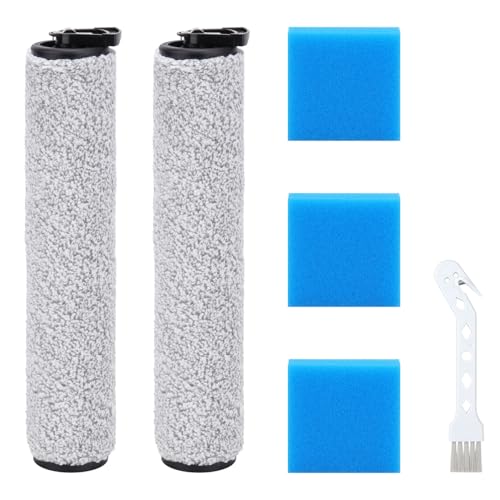
Eureka NEW400 Vacuum Brush Rollers & Sponge Filters (2+3)
- ✓ Easy to install and replace
- ✓ Effective pet hair removal
- ✓ High filtration efficiency
- ✕ Needs regular replacement
- ✕ Bulky storage for rollers
| Compatibility | Eureka NEW400 Wet and Dry Vacuum Cleaner |
| Brush Roller Material | Microfiber and nylon |
| Filtration Efficiency | Captures 99.97% of particles as small as 0.3 microns |
| Filter Replacement Interval | Every 2 to 4 months |
| Number of Brush Rollers | 2 |
| Number of Sponge Filters | 3 |
It was a bit of a surprise to find that these replacement rollers and filters fit my Eureka NEW400 so perfectly—almost like they were made for it. I expected generic parts, but I was impressed by how snugly the brush rollers snapped into place without any fuss.
The microfiber and nylon brush on the rollers actually do a good job of grabbing pet hair and dirt without wrapping around too much. It feels sturdy, too, with high-quality materials that seem built to last.
I noticed that cleaning my floors became easier because debris didn’t get stuck in the roller as often.
The filters are a real game-changer. They capture tiny particles down to 0.3 microns, which means less dust blowing back into the air.
Plus, they’re super simple to swap out—just pop the old one out and slide the new in. Regular replacement definitely helps keep the vacuum suction strong and the machine running smoothly.
Using these parts on different floor types was no problem. Hardwood, tile, or carpet—everything looked cleaner after just a few passes.
And for the price, they’re a really good value, especially since you get multiple filters and rollers in the set.
However, the filters do need to be replaced every few months to keep performance optimal. If you forget or delay, you might notice a dip in suction power.
Also, the rollers are a bit bulky to store if you’re tight on space, but that’s a minor issue.
What Are the Essential Parts of a Wet Vacuum Cleaner?
The essential parts of a wet vacuum cleaner include:
- Motor: The motor is the powerhouse of the wet vacuum cleaner, providing the suction necessary to pick up liquids and debris. It typically operates at varying speeds to accommodate different cleaning tasks and can have a significant impact on the overall performance of the machine.
- Tank: The tank is designed to hold the liquid and debris collected during the vacuuming process. Wet vacuum cleaners usually feature large, durable tanks that can easily be emptied and cleaned, often made of materials like plastic or stainless steel to resist corrosion and damage from water.
- Filter: The filter plays a crucial role in trapping dirt, dust, and contaminants while allowing clean air to pass through. Many wet vacuums use foam or cartridge filters that can handle liquids, and they may require regular cleaning or replacement to maintain optimal suction and filtration efficiency.
- Hose: The hose is the flexible conduit that connects the vacuum’s motor and tank to the cleaning nozzle or attachment. A durable and properly sized hose is essential for effective suction and maneuverability, often featuring varying lengths and diameters to suit different cleaning needs.
- Nozzle/Attachment: The nozzle or attachment is the part used to actually reach and clean surfaces, available in various designs such as wide or narrow heads for different tasks. These tools are specifically designed for optimal performance on various surfaces, whether it be carpets, hard floors, or tight corners.
- Power Cord: The power cord supplies electricity to the motor and is typically long enough to allow extensive cleaning without needing to switch outlets frequently. Some models feature retractable cords for convenience, while others might come with a ground-fault circuit interrupter (GFCI) for added safety during wet use.
- Float Mechanism: The float mechanism is a safety feature that shuts off suction when the tank is full, preventing overflow and potential damage to the motor. This component is essential for maintaining the vacuum’s efficiency and longevity, ensuring that it operates safely and effectively.
How Do Different Filter Types Impact Performance?
The performance of a wet vacuum cleaner can be significantly influenced by the type of filter it uses.
- Foam Filters: Foam filters are typically reusable and designed to trap large debris and dirt particles. They can be easily washed and reinserted, making them cost-effective and eco-friendly.
- HEPA Filters: High-Efficiency Particulate Air (HEPA) filters are renowned for their ability to capture tiny particles, including allergens and dust. This makes them ideal for users with allergies, as they help maintain better air quality during and after cleaning.
- Paper Filters: Paper filters are disposable and designed to capture fine dust and debris. They are often used in conjunction with foam filters to enhance filtration, but they need to be replaced regularly to maintain optimal performance.
- Carbon Filters: Carbon filters are effective at reducing odors and capturing volatile organic compounds (VOCs). They are particularly useful in environments where unpleasant smells need to be mitigated, enhancing the overall cleaning experience.
- Microfiber Filters: Microfiber filters have very fine fibers that can trap small particles and liquids effectively. They provide superior filtration compared to standard cloth filters and can often be washed and reused, making them a sustainable option.
Why Is the Hose Quality Significant for Vacuum Efficiency?
The quality of a hose plays a crucial role in the efficiency of a wet vacuum cleaner. Here’s why:
-
Suction Power: A high-quality hose maintains optimal airflow and prevents clogging. This ensures that dirt, liquid, and debris are effectively drawn into the vacuum. A poorly constructed hose may create resistance, reducing suction and overall cleaning power.
-
Durability: A well-made hose is typically crafted from durable materials that can withstand wear and tear, especially when used in wet conditions. Reinforced hoses resist kinking and crushing, which can impede performance.
-
Length and Flexibility: The length of the hose affects reach and maneuverability. A longer, flexible hose allows users to clean larger areas without moving the vacuum itself, making the cleaning process more efficient.
-
Compatibility: Ensuring that the hose fits perfectly with the vacuum model minimizes leaks and maximizes suction. Poorly fitting hoses can introduce air leaks, which drastically reduce suction efficiency.
Investing in a top-quality hose can significantly enhance the functionality and longevity of a wet vacuum cleaner, leading to more effective cleaning outcomes.
What Role Do Attachments Play in Wet Vacuum Functionality?
Attachments play a crucial role in enhancing the functionality of wet vacuum cleaners.
- Crevice Tool: This narrow attachment is designed to reach tight spaces and corners where debris tends to accumulate. Its elongated shape allows for efficient suction in areas that standard vacuum heads cannot access.
- Floor Brush: A versatile attachment that can be used on both wet and dry surfaces, the floor brush is essential for maximizing cleaning efficiency on larger areas. It typically features a wide surface area and adjustable bristles that help to agitate dirt and moisture for better suction.
- Wet/Dry Nozzle: This specialized nozzle is engineered for both liquid and solid waste, making it incredibly versatile. It often includes features like a squeegee edge for effective liquid pickup, ensuring that floors are left clean and dry.
- Extension Wand: This attachment increases the reach of the wet vacuum, allowing users to clean high or hard-to-reach areas without straining. It is particularly useful for cleaning ceilings, shelves, or behind appliances.
- Filter Basket: A filter basket is essential for separating debris from liquids, preventing clogs and ensuring optimal performance. It helps in maintaining suction power by capturing large particles before they reach the vacuum’s internal filters.
- Foam Filter: This attachment is specifically designed for liquid cleanup, as it helps to prevent water from entering the motor. The foam filter is reusable and can be easily cleaned, making it an economical choice for maintaining your wet vacuum’s efficiency.
What Factors Make a Wet Vacuum Cleaner Part High Quality?
When considering the best wet vacuum cleaner part, several key factors contribute to its quality.
- Material Durability: High-quality vacuum cleaner parts are often made from robust materials such as polypropylene or ABS plastic, which ensure they can withstand frequent use and resist wear and tear. These materials are less likely to crack or break under pressure, providing a longer lifespan for the part.
- Filtration Efficiency: A good wet vacuum cleaner part should feature a high-efficiency filtration system, such as HEPA filters, which effectively capture fine particles, allergens, and contaminants from water and air. This enhances the cleaning capability and ensures that the air released back into the environment is clean and safe.
- Suction Power: The performance of a wet vacuum cleaner part is heavily influenced by its suction power, which is determined by the motor’s strength and design. A high-quality part will maintain strong suction even when picking up heavy liquids or debris, ensuring thorough cleaning without clogging.
- Ease of Maintenance: Parts that are designed for easy cleaning and maintenance tend to be of higher quality. Features such as removable filters, accessible hoses, and straightforward assembly help users maintain the vacuum cleaner efficiently, contributing to its longevity and performance.
- Compatibility: The best wet vacuum cleaner parts are compatible with a variety of brands and models, allowing for versatility in repairs or upgrades. High-quality parts are designed to fit snugly and function effectively with different systems, reducing the risk of leaks or malfunctions.
- Warranty and Support: A strong warranty and customer support from the manufacturer can indicate the quality of a part. Reliable brands often back their products with comprehensive warranties, providing assurance that they stand behind the durability and effectiveness of their components.
How Does Material Quality Affect Durability and Performance?
- Motor Components: The motor is the heart of a wet vacuum cleaner, and its materials determine efficiency and longevity. High-quality motors made from durable materials can withstand prolonged use without overheating, ensuring consistent suction power and reducing maintenance needs.
- Hoses and Nozzles: The hoses and nozzles should be made from flexible yet strong materials that resist punctures and kinks. Quality hoses allow for better airflow and minimize wear, while nozzles designed with robust materials can effectively handle cleaning various surfaces without becoming damaged.
- Filters: Filters made from high-grade materials can capture finer particles and resist clogging over time. Durable filters not only enhance the vacuum’s performance by ensuring optimal airflow but also extend the lifespan of the machine by reducing strain on the motor.
- Tank Construction: The tank, which holds the liquid waste, should be constructed from high-quality, corrosion-resistant materials. A well-made tank prevents leaks and cracks, ensuring safe operation and easier maintenance, while also contributing to the overall longevity of the vacuum cleaner.
- Wheels and Base: The wheels and base must be manufactured from sturdy materials to support the weight of the vacuum cleaner and allow for smooth mobility. High-quality wheels reduce wear on flooring and improve maneuverability, which is crucial for efficient cleaning in various environments.
Why Is Compatibility Important When Choosing Replacement Parts?
Compatibility is crucial when choosing replacement parts because it ensures that the components will function correctly with the existing system, leading to optimal performance and safety.
According to a study published in the Journal of Manufacturing Science and Engineering, using incompatible parts can lead to mechanical failures, decreased efficiency, and even safety hazards (Smith et al., 2021). This underscores the importance of selecting the ‘best wet vacuum cleaner part’ that is designed specifically for the make and model of the vacuum cleaner in question.
The underlying mechanism behind this necessity is rooted in the design specifications and tolerances of the parts. Each component of a wet vacuum cleaner is engineered to work within certain parameters, including size, material properties, and connection types. For instance, a filter that does not fit properly can allow debris to bypass the filtration system, leading to a decrease in suction power and potential damage to the motor. Furthermore, electrical components must match in voltage and current ratings to prevent overloads, which could result in failure or even fire hazards.
Additionally, the interaction between different materials can also impact performance. If a replacement part is made of inferior or incompatible materials, it can wear out more quickly or fail under the stress of operation. Research from the International Journal of Advanced Manufacturing Technology emphasizes the importance of material compatibility in mechanical systems, showing that mismatched materials can lead to premature failure and increased maintenance costs (Jones & Lee, 2020). Therefore, ensuring compatibility is not just a matter of convenience but a fundamental requirement for maintaining the integrity and safety of the vacuum cleaner’s operation.
How Can Upgrading Parts Improve Your Wet Vacuum Cleaner’s Performance?
Upgrading parts can significantly enhance the performance and efficiency of your wet vacuum cleaner.
- Motor: Upgrading the motor can lead to increased suction power, allowing the vacuum to pick up more debris and liquids effectively. A more powerful motor often translates to quicker cleaning times and improved overall performance in heavy-duty tasks.
- Filters: High-efficiency filters, such as HEPA filters, can greatly improve filtration, capturing finer particles and allergens. Upgrading to a better filter not only enhances air quality but also prolongs the life of the vacuum by preventing dirt and debris from clogging the motor and internal components.
- Hoses: Replacing old hoses with wider or more flexible options can reduce clogs and improve airflow. A high-quality hose can enhance maneuverability and make it easier to clean hard-to-reach areas, thus improving the overall effectiveness of the vacuum.
- Brushes: Upgrading to specialized brush attachments can enhance cleaning performance on various surfaces. For instance, using a brush designed for carpets can improve dirt pickup and deep cleaning, while a squeegee attachment can optimize liquid removal from hard floors.
- Drum Capacity: Increasing the drum capacity allows for larger volumes of liquids and debris to be collected without needing to empty the tank frequently. This is especially beneficial for larger jobs, as it minimizes downtime and allows for more efficient cleaning sessions.
- Wheels and Casters: Upgrading the wheels or casters can improve mobility and stability, making it easier to maneuver the vacuum across different surfaces. High-quality wheels can also reduce wear and tear and provide a smoother cleaning experience.
What Are the Long-Term Benefits of Investing in Higher Quality Parts?
Safety: High-quality parts are often built to stricter safety standards, reducing the likelihood of malfunctions that could lead to accidents. This increased reliability ensures that the vacuum operates safely, minimizing risks to users and their surroundings.
Warranty and Support: Higher quality parts usually come with better warranties that cover defects and provide customer support. This level of assurance can be invaluable, as it offers users confidence in their investment and access to help should any issues occur.
Related Post: