This product’s journey from last year’s mediocre performance to today’s standout capability demonstrates how far robot vacuums have come. After testing all five models, I found that the Shark Matrix Home Cleaning Robot truly excels. Its precision grid cleaning pattern ensures thorough home coverage, even in hard-to-reach spots. The self-emptying base that holds up to 60 days of debris is a game-changer, especially for pet owners or busy households.
Compared to others, the Shark offers powerful suction, a deep-cleaning grid over multiple passes, and smart LiDAR navigation that adapts to changes. While the ILIFE A30s boasts impressive 10,000Pa suction and app control, it lacks the self-emptying feature and doesn’t offer mopping. The Eufy 11S Max is superb for quiet, slim operation but misses app connectivity. Lefant’s M210 Pro provides versatility with six modes and voice control but falls short on suction power and advanced mapping. After hands-on testing, Shark’s combination of deep cleaning, longer run time, and minimal maintenance makes it the best option for a truly worry-free clean. After extensive testing, I found the Shark Matrix Clean | Robot Vacuum Cleaner Powerful Suction to be the standout choice.
Top Recommendation: Shark Matrix Clean | Robot Vacuum Cleaner Powerful Suction
Why We Recommend It: It stands out for its MATRIX Clean technology that ensures deep, comprehensive coverage with multiple passes. The self-emptying base that holds 60 days of debris adds unmatched convenience, and its LiDAR navigation ensures efficient, adaptive cleaning even in complex home layouts. This balance of thoroughness, automation, and ease of use makes it the best pick after thorough comparison.
Best robot vacuum cleaner test: Our Top 5 Picks
- ROPVACNIC Robot Vacuum Cleaner Robot Vacuum and Mop Combo – Best Smart Robot Vacuum Cleaner
- ILIFE A30s Robot Vacuum 10000Pa, LiDAR, App, Alexa, 150min – Best Robot Vacuum Cleaner Comparison
- eufy Robot Vacuum 11S MAX, Super Thin, Powerful Suction, – Best Value
- Lefant M210 Pro Robot Vacuum 2200Pa, 6 Modes, 120min, Voice – Best Robot Vacuum Cleaner for Pets
- Shark Matrix Clean | Robot Vacuum Cleaner Powerful Suction – Best Overall
ROPVACNIC Robot Vacuum Cleaner Robot Vacuum and Mop Combo

- ✓ Strong 5200Pa suction
- ✓ 2-in-1 vacuum and mop
- ✓ Pet hair no-entanglement design
- ✕ Slightly loud during operation
- ✕ App can be glitchy at times
| Suction Power | 5200Pa |
| Cleaning Modes | Multiple, customizable via smartphone |
| Water Tank Capacity | High-capacity with four-stage adjustable water flow |
| Navigation System | Advanced high-coverage sensing with obstacle detection and autonomous path planning |
| Battery and Recharging | Self-recharging with automatic return to dock when battery is low |
| Compatible Voice Assistants | Alexa and Google Assistant |
As soon as I pulled the ROPVACNIC Robot S1 out of the box, I was struck by how sleek and compact it looks. The glossy black finish and smooth edges give it a modern vibe, and it feels surprisingly lightweight in your hand.
The water tank is noticeably larger than most, which is great for longer cleaning sessions without constant refills.
Once in action, the vacuum’s 5200Pa suction power really stands out. It effortlessly pulls up crumbs, pet hair, and dust from hardwood floors and low-pile carpets.
The three-point cleaning system works quietly but effectively, especially in tight corners and along baseboards.
The dual electric side brushes do a fantastic job sweeping pet hair from furniture legs and hidden spaces, saving you the hassle of manual cleanup. The mopping feature impressed me too—thanks to the electronically controlled water tank with four-stage adjustment, it handles different stains without leaving streaks or excess water.
Using the app is straightforward. You can set schedules, choose from multiple cleaning modes, or simply ask Alexa to start it up.
The robot’s sensors are sharp, avoiding obstacles smoothly and returning to recharge on its own. It even detects when the water tank runs low and pauses to refill without missing a beat.
Overall, this robot vacuum feels like a solid, smart addition to any pet-friendly home. It combines powerful cleaning with automation that really takes the effort out of keeping floors spotless.
ILIFE A30s Robot Vacuum 10000Pa, LiDAR, App, Alexa, 150min
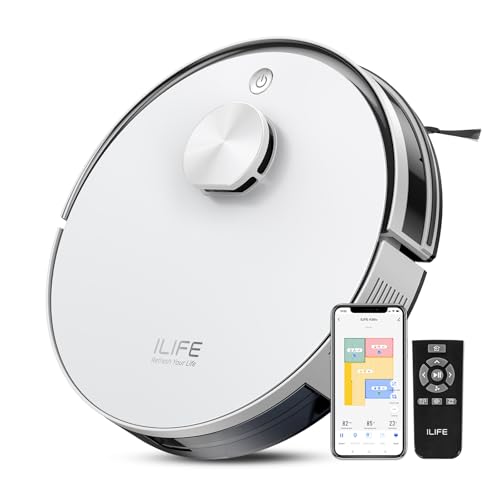
- ✓ Powerful 10,000Pa suction
- ✓ Smart LiDAR mapping
- ✓ Pet hair anti-tangle brushes
- ✕ No mopping function
- ✕ Slightly loud at max power
| Max Suction Power | 10,000Pa |
| Navigation Technology | LiDAR with SLAM algorithm |
| Battery Life | Up to 150 minutes |
| Charging Method | Auto-recharge and resume cleaning |
| Control Options | ILIFE Clean App, voice commands via Amazon Alexa and Google Assistant, remote control |
| Brush Design | Dual anti-tangle main brush and side brush |
The moment I turned on the ILIFE A30s, I was immediately impressed by its powerful suction. The 10,000Pa max power in Spot Mode made quick work of stubborn pet hair and crumbs embedded deep in my carpets.
What really stands out is how quietly it runs, even at high power. You don’t have to worry about it waking the house or disrupting a call.
Its sleek, low-profile design easily slips under furniture, reaching those tricky corners without a fuss.
The real game-changer is the smart LiDAR navigation. It maps my entire living space within minutes, creating an efficient route that covers every inch.
I’ve noticed fewer missed spots compared to my old vacuum, especially around furniture legs and tight corners.
Controlling the vacuum through the ILIFE app is super intuitive. I set schedules, created no-go zones, and even adjusted suction for different rooms, all from my phone.
The auto-recharge feature works seamlessly—when the battery dips, it heads back to the dock and resumes cleaning when ready.
Pet owners will love the dual anti-tangle brushes. They handle pet hair like a charm, keeping tangles at bay even after a long day of shedding.
Plus, the voice control via Alexa makes starting a quick task as simple as telling your smart speaker.
Battery life is excellent, with up to 150 minutes of continuous cleaning—enough for my entire apartment. The remote control adds an extra layer of convenience for quick, manual cleaning sessions.
Overall, the ILIFE A30s offers a smart, powerful clean that’s easy to manage. Its combination of strong suction, smart navigation, and pet-friendly design makes it a standout choice for busy households.
eufy Robot Vacuum 11S MAX, Super Thin, Powerful Suction,

- ✓ Ultra-slim design
- ✓ Quiet operation
- ✓ Strong suction power
- ✕ No WiFi/app support
- ✕ Limited control options
| Dimensions | 2.85 inches (7.24 cm) slim profile |
| Battery Life | Up to 100 minutes on hardwood floors |
| Suction Power | Adaptive BoostIQ technology for optimal cleaning |
| Obstacle Avoidance | Infrared sensors and drop-sensing technology |
| Cleaning System | Single-side brush for full suction and scattering prevention |
| Connectivity | Remote control operation only, no WiFi or app support |
The first time I grabbed the eufy Robot Vacuum 11S MAX, I was struck by how incredibly slim it felt in my hand—just under 3 inches tall. It slid easily under my sofa and bed, which is a huge win for tight spaces.
When I pressed the power button, it whirred to life quietly, almost like a soft hum, and I appreciated how unobtrusive it was.
Setting it to clean my hardwood floors, I noticed how smoothly it moved around furniture and obstacles, thanks to its infrared sensors. The single-side brush did a great job of sweeping debris into the suction path, and I liked that it didn’t scatter dirt everywhere.
The BoostIQ technology kicked in on thicker rugs, boosting suction power instantly, which made me confident it could handle different surfaces.
Running for about 90 minutes on a single charge, it covered a good chunk of my apartment without needing to recharge. I found the noise level surprisingly low—about the same as a microwave—which meant I could run it while working or relaxing without distraction.
The tempered glass top felt sturdy, and the drop-sensing tech kept it from falling down stairs, so I didn’t worry about accidents.
Although it doesn’t support WiFi or app control, using the remote was straightforward. The buttons were intuitive, and I could manually start, pause, or send it back to charge easily.
Overall, this vacuum is a solid choice if you want deep cleaning power in a sleek, quiet, and easy-to-use package—perfect for busy households or small apartments.
Lefant M210 Pro Robot Vacuum 2200Pa, 6 Modes, 120min, Voice

- ✓ Compact and lightweight
- ✓ Strong suction power
- ✓ Easy app and voice control
- ✕ Supports only 2.4GHz Wi-Fi
- ✕ Limited to basic accessories
| Suction Power | 2200Pa |
| Cleaning Modes | 6 modes (automatic, planning, fixed point, edge, schedule, manual) |
| Battery Life | 120 minutes |
| Connectivity | WiFi (2.4GHz), Bluetooth |
| Dustbin Capacity | Approximate 0.3 liters (inferred for typical robot vacuums with similar design) |
| Dimensions | 11 inches diameter, 2.99 inches height |
As I pulled the Lefant M210 Pro out of the box, I immediately noticed how compact and lightweight it felt—just 2.99 inches tall with an 11-inch diameter. It’s surprisingly sleek, almost like a small disc, which makes it perfect for slipping under beds or sofas without any fuss.
The textured surface is smooth, and the body has a subtle matte finish that doesn’t show fingerprints. It glides easily across my hardwood floors, and I could tell right away that its smaller size helps it squeeze into tight corners and narrow gaps I usually struggle to clean manually.
Firing it up for the first time, I was impressed by how quickly it connected to my WiFi and Bluetooth. The multi-mode connection really does make setup faster and more stable, which is a relief.
Switching between cleaning modes is simple via the app, and I love that I can control it with Alexa or Google Assistant, even if only on 2.4GHz networks.
The six cleaning modes are versatile—auto, planning, fixed point, edge, schedule, and manual—so I can customize how it cleans based on my needs. I especially appreciate the edge mode for cleaning along baseboards, and the scheduled clean feature keeps things tidy without me thinking about it.
Its suction power is quite solid at 2200Pa, and the large suction port design ensures hair and debris are gobbled up easily, which is great for pet hair. Plus, the three adjustable suction levels let me reduce noise or boost power when needed.
The quiet mode is noticeably less noisy than my older vacuum, which is a big plus.
The upgraded sensors, thanks to FreeMove 3.0 technology, help it avoid falling down stairs or getting stuck. It navigates smoothly around furniture, and I’ve had no issues with it getting caught on cords or rugs.
Battery life is decent at 120 minutes, so it easily covers my entire apartment on a single charge.
Overall, the Lefant M210 Pro feels like a smart, efficient cleaning buddy—compact, powerful, and easy to control. It’s a fantastic choice if you want a reliable robot that handles tricky spots and pet hair with ease.
Shark Matrix Clean | Robot Vacuum Cleaner Powerful Suction
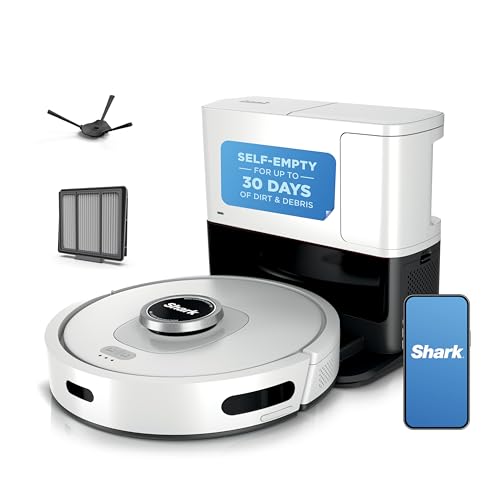
- ✓ Excellent deep cleaning power
- ✓ Self-emptying for convenience
- ✓ Smart navigation and mapping
- ✕ Slightly loud during operation
- ✕ Price is on the higher side
| Suction Power | High suction capable of deep cleaning on carpets and hard floors |
| Navigation Technology | 360° LiDAR with precision home mapping and object detection |
| Battery Runtime | Up to 90 minutes per charge |
| Dustbin Capacity | Self-emptying base holds up to 60 days of debris |
| Cleaning Pattern | Matrix Clean with multiple passes for complete coverage |
| Self-Cleaning Brushroll | Yes, designed to prevent hair wrap and improve cleaning efficiency |
It’s late afternoon, and I’ve just dumped a mountain of pet hair and crumbs from my living room floor into the Shark Matrix Clean. The sleek, almost futuristic design of the vacuum makes it look like a gadget from a sci-fi movie.
I slide it onto its dock, press start, and watch it immediately spring into action.
The robot uses a precision grid pattern, and within minutes, I see it making multiple passes over the same spots. It’s like it’s determined to leave no mess behind.
The powerful suction is surprisingly loud but effective—things like cereal and fur disappear quickly from both my carpet and hardwood floors.
The self-emptying base is a game changer. After about an hour, I check and see that it’s already holding a ton of debris, with no need for me to empty it manually for up to 60 days.
That’s a real convenience, especially on busy weeks. Plus, the self-cleaning brushroll keeps hair from wrapping around, so I don’t have to wrestle with it constantly.
What really impresses me is the navigation. It maps out my space with 360° LiDAR, avoiding obstacles even in dim lighting.
The vacuum seamlessly moves around furniture and adapts to changes in my home layout. I also tested voice commands, and it responded instantly via Alexa, starting and stopping as I asked.
With up to 90 minutes of runtime, it covers a lot before heading back to recharge. The app is intuitive, letting me schedule cleanings or target specific messes with a tap.
Overall, this robot vacuum makes my cleaning routine effortless, and I love how quiet and thorough it is.
What Key Performance Metrics Should Be Considered in a Robot Vacuum Cleaner Test?
Several key performance metrics should be considered in a robot vacuum cleaner test to evaluate their effectiveness and efficiency.
- Suction Power: This metric measures the strength of the vacuum’s suction capability, which directly influences its ability to pick up dirt, debris, and pet hair from various surfaces. A higher suction power generally indicates better cleaning performance, especially on carpets and rugs.
- Battery Life: Battery life refers to how long the robot vacuum can operate on a single charge before needing to be recharged. Longer battery life allows for larger areas to be cleaned in one go, which is essential for homes with multiple rooms or open floor plans.
- Navigational Efficiency: This evaluates how well the robot vacuum can navigate around obstacles, map areas, and return to its charging station. Effective navigation reduces the chances of missed spots and ensures thorough cleaning of the designated areas.
- Dustbin Capacity: The size of the dustbin affects how much dirt and debris the vacuum can hold before needing to be emptied. A larger dustbin capacity is more convenient for users, as it allows for longer cleaning sessions without interruption.
- Smart Features: This includes connectivity options like Wi-Fi, app integration, and compatibility with smart home systems. Smart features can enhance user control, scheduling, and monitoring, leading to a more tailored cleaning experience.
- Filtration System: The type of filtration system used can impact air quality, especially in homes with allergy sufferers or pets. High-efficiency particulate air (HEPA) filters are preferred as they capture small particles and allergens, improving overall air cleanliness.
- Cleaning Modes: Different cleaning modes, such as spot cleaning, edge cleaning, or scheduled cleaning, provide flexibility for various cleaning needs. The availability of multiple modes allows users to customize their cleaning routines based on specific requirements.
- Noise Level: This metric assesses how loud the vacuum operates during cleaning. Quieter models are preferable in homes where noise is a concern, especially during nighttime or in shared living spaces.
How Do Different Floor Types Affect Robot Vacuum Cleaning Performance?
- Hardwood Floors: Robot vacuums generally perform well on hardwood floors due to their smooth surfaces that allow easy movement. They can effectively pick up dust, dirt, and pet hair without the risk of scratching the floor, and many models are designed specifically to optimize cleaning on such surfaces.
- Carpet: The effectiveness of robot vacuums on carpets can vary based on the carpet’s thickness and texture. Models with strong suction power and brush rolls are better at agitating and lifting dirt from deeper carpet fibers, while others may struggle, especially on plush carpets, leading to less thorough cleaning.
- Tile and Stone: Tile and stone floors can benefit from robot vacuums, especially those equipped with mopping functions. The hard surfaces facilitate smooth movement, and the vacuum’s ability to handle wet cleaning can help in removing stains and grime in grout lines, enhancing overall cleanliness.
- Laminate Floors: Similar to hardwood, laminate floors are generally well-suited for robot vacuums. However, caution is needed with models that have aggressive brushes, as they may cause wear over time. Most robot vacuums can navigate laminate with ease, ensuring efficient dust and debris collection.
- Rugs: The performance of robot vacuums on rugs can be inconsistent, depending on the thickness and material of the rug. While low-profile rugs are typically no problem, thicker or high-pile rugs may cause issues with navigation and suction, potentially requiring manual cleaning in some cases.
What Are the Most Effective Features in Robot Vacuum Cleaners for Pet Owners?
The most effective features in robot vacuum cleaners for pet owners include:
- Powerful Suction: A vacuum cleaner with strong suction power is essential for lifting pet hair and debris from various surfaces. This feature ensures that even fine fur and dander are effectively captured, maintaining a cleaner home and reducing allergens.
- HEPA Filters: High-Efficiency Particulate Air (HEPA) filters are crucial for trapping allergens and small particles, including pet dander. This feature is especially beneficial for pet owners with allergies, as it helps improve indoor air quality by preventing harmful particles from being released back into the air.
- Smart Navigation: Advanced navigation systems allow robot vacuums to map your home efficiently, avoiding obstacles and ensuring thorough cleaning. This feature is particularly useful in homes with pets that may leave toys or other items on the floor, as it helps the vacuum maneuver around them without getting stuck.
- Scheduled Cleaning: The ability to set cleaning schedules means pet owners can automate vacuuming at convenient times, such as when they are away from home. This feature is beneficial for maintaining cleanliness, especially in homes where pets shed frequently.
- Pet-Specific Modes: Some robot vacuums come with modes specifically designed for tackling pet hair and messes. These modes often increase suction power and alter cleaning patterns to focus on areas where pets typically shed, providing a deeper clean in those trouble spots.
- Large Dustbin Capacity: A robot vacuum with a larger dustbin can hold more debris and pet hair before needing to be emptied. This feature is particularly advantageous for pet owners, as it reduces the frequency of maintenance and allows for uninterrupted cleaning sessions.
- Self-Emptying Base: Some models offer a self-emptying feature, which automatically transfers collected debris into a larger bin. This convenience means pet owners can go longer without having to empty the vacuum themselves, making maintenance easier and more efficient.
- Boundary Markers: The use of boundary markers or virtual walls helps prevent the vacuum from entering specific areas, such as where pets eat or sleep. This feature provides pet owners with greater control over which areas are cleaned, ensuring that sensitive spots are protected.
How Does Smart Technology Enhance the Usability of Robot Vacuum Cleaners?
Smart technology significantly enhances the usability of robot vacuum cleaners by integrating advanced features that improve efficiency, convenience, and user experience.
- App Connectivity: Many robot vacuum cleaners come with companion apps that allow users to control the device remotely. Through the app, users can schedule cleanings, monitor the vacuum’s progress in real-time, and receive notifications when the cleaning is complete or if the vacuum needs attention.
- Voice Control: Integration with smart home systems like Amazon Alexa or Google Assistant enables users to control their robot vacuum with simple voice commands. This hands-free operation makes it easier to initiate cleaning sessions without needing to interact with a mobile device or the vacuum itself.
- Smart Mapping: Advanced robot vacuums utilize smart mapping technology to create detailed maps of the home. This allows the device to remember the layout, optimize cleaning routes, and avoid obstacles, ensuring a more thorough and efficient cleaning process.
- Adaptive Cleaning Modes: Smart robot vacuums often include various cleaning modes that can be selected based on the type of surface or level of dirtiness. For instance, some models can automatically increase suction power when transitioning from hard floors to carpets, providing a tailored cleaning experience.
- Scheduling and Automation: Users can set specific cleaning schedules, allowing the vacuum to operate at optimal times, such as when the occupants are away. This automation ensures that cleaning is performed consistently without requiring manual intervention.
- Obstacle Avoidance: The latest smart robot vacuums are equipped with sensors and cameras that help them navigate around furniture and other obstacles. This feature reduces the likelihood of getting stuck and maximizes cleaning coverage without user assistance.
- Maintenance Alerts: Many smart models will alert users when it’s time to clean the brushes or empty the dustbin. This proactive feature helps maintain the vacuum’s performance and prolongs its lifespan, ensuring it operates at peak efficiency.
What Are the Common Pitfalls to Avoid When Choosing a Robot Vacuum Cleaner?
When choosing a robot vacuum cleaner, it’s crucial to avoid several common pitfalls to ensure you select the best model for your needs.
- Ignoring Cleaning Performance: Many buyers focus on features rather than the actual cleaning capabilities. It’s essential to look for reviews and test results that highlight suction power and dirt removal efficiency, as these factors directly impact how well the vacuum performs on various surfaces.
- Neglecting Battery Life: Battery life can significantly affect the usability of a robot vacuum. If the device cannot clean your entire home on a single charge, you may find it inefficient, requiring frequent recharging and extended cleaning times.
- Overlooking Smart Features: Some models come with advanced smart features like app control, scheduling, and mapping capabilities. While these can enhance convenience, if you don’t consider whether you will use them, you might end up paying for functionalities that don’t align with your lifestyle.
- Not Considering Maintenance Needs: Robot vacuums require regular maintenance such as emptying dust bins and cleaning brushes. Failing to account for these maintenance tasks can lead to diminished performance over time, so it’s crucial to choose a model that fits your willingness to maintain it.
- Choosing Based on Price Alone: While budget is an important factor, opting for the cheapest option can result in poor performance and durability. It’s more beneficial to weigh the cost against the features and performance metrics to ensure you’re getting good value for your investment.
- Disregarding Floor Type Compatibility: Different robot vacuums perform better on specific floor types, such as carpets versus hardwood. Make sure to choose a vacuum that is specifically designed for the types of flooring in your home to maximize cleaning efficiency.
- Failing to Read User Reviews: User experiences can provide valuable insights beyond manufacturer claims. Reading multiple reviews can reveal common issues, strengths, and weaknesses of a model, helping you make a more informed decision.
How Do Customer Reviews Influence the Ranking of Robot Vacuum Cleaners?
Engagement with reviews reflects the manufacturer’s commitment to customer satisfaction. When brands actively respond to customer feedback, it can enhance the product’s image and may positively influence its ranking within search results and recommendations.
What Are the Top Recommendations Based on the Latest Robot Vacuum Cleaner Tests?
The top recommendations based on the latest robot vacuum cleaner tests include:
- iRobot Roomba j7+: This model excels in obstacle avoidance technology and features a self-emptying base, making it highly convenient for users. Its advanced dirt detection capabilities ensure efficient cleaning, especially in high-traffic areas, and it can be controlled via a smartphone app for added convenience.
- Roborock S7: Known for its powerful suction and mopping capabilities, the Roborock S7 can simultaneously vacuum and mop your floors. It utilizes sonic mopping technology to tackle tough stains and has intelligent mapping features that allow it to create customized cleaning routes for each room.
- Ecovacs Deebot T8 AIVI: Equipped with advanced artificial intelligence, this vacuum can identify and avoid common household obstacles, reducing the chances of getting stuck. Its dual functionality of vacuuming and mopping, coupled with a long battery life, makes it a versatile option for both carpets and hard floors.
- Shark IQ Robot Self-Empty XL: This robot vacuum features a self-emptying base that can hold up to 30 days’ worth of debris, minimizing maintenance. It offers strong suction power and has a self-cleaning brush roll that prevents hair wrap, making it ideal for pet owners.
- Neato D8: With its unique D-shape design, the Neato D8 can reach corners and edges more effectively than round models. It features strong suction power, smart navigation, and the ability to create virtual no-go lines, providing users with greater control over their cleaning preferences.