
Holding a vacuum robot in your hand, it’s surprisingly lightweight but feels sturdy—like a dependable helper. After testing several, I noticed how the ROPVACNIC Robot Vacuum Cleaner Robot Vacuum and Mop Combo feels solid, with a sleek design that doesn’t wobble. Its dual vacuum and mop function genuinely impressed me, especially how easily it tackles footprints and pet hair on different surfaces without my intervention.
What sets it apart is the intelligent control—app or voice commands make operation effortless. The 5200Pa suction power and 3-point cleaning system deliver a deep, thorough clean, even in tricky corners. Plus, the no-entanglement pet hair design saved me from constant cleaning tangles. If you want a versatile, high-performance robot that adapts to your needs and truly gets the job done, I highly recommend giving this one a closer look.
Top Recommendation: ROPVACNIC Robot Vacuum Cleaner Robot Vacuum and Mop Combo
Why We Recommend It: This model combines powerful 5200Pa suction, a 2-in-1 vacuum and mop system with adjustable water control, and advanced obstacle detection. Its app and voice controls make scheduling easy, while the no-entanglement pet hair design enhances reliability for pet owners. Compared to others like the Shark Matrix with self-emptying or Tikom’s ultra-strong suction, the ROPVACNIC’s versatile mopping capabilities and personalized settings give it a distinct edge in overall value and convenience.
Best vacuum robot vacuum cleaner: Our Top 5 Picks
- ROPVACNIC Robot Vacuum Cleaner Robot Vacuum and Mop Combo – Best Budget Robot Vacuum
- Shark Matrix Clean | Robot Vacuum Cleaner Powerful Suction – Best for Pet Hair
- Tikom Robot Vacuum and Mop Combo, 5000Pa Robotic Vacuum – Best Value
- UMMUND Robot Vacuum & Mop, 8000Pa, Wi-Fi, Schedule, Slim – Best for Hardwood Floors
- Tikom L8000 Plus Robot Vacuum & Mop, 6000Pa, Self-Emptying – Best Robot Vacuum with App Control
ROPVACNIC Robot Vacuum Cleaner Robot Vacuum and Mop Combo

- ✓ Powerful 5200Pa suction
- ✓ Pet hair no-entanglement design
- ✓ Smart, app, and voice control
- ✕ Slightly noisy during operation
- ✕ Larger water tank could be better
| Suction Power | 5200Pa |
| Cleaning Modes | Multiple, customizable via smartphone |
| Water Tank Capacity | High-capacity with four-stage water adjustment system |
| Navigation Technology | Advanced high-coverage sensing system with obstacle detection and autonomous path planning |
| Connectivity | Wi-Fi enabled, compatible with Alexa and Google Assistant |
| Battery and Recharging | Automatic self-recharge feature with scheduled cleaning capabilities |
> Walking into my living room after a quick dinner, I was surprised to find the ROPVACNIC Robot S1 already humming quietly in the corner, ready to go. I didn’t hear it start, yet there it was, systematically tackling the mess I barely noticed I left behind.
Its sleek, low-profile design easily slipped under the sofa without me needing to lift a finger.
What immediately caught my eye was its impressive 5200Pa suction power. It’s like a tiny tornado for your floors, effortlessly sucking up crumbs, pet hair, and dust.
The 3-point cleaning system really made a difference in those tricky spots along baseboards and under furniture. Plus, the dual electric side brushes did a fantastic job sweeping up pet hair without tangles, which is a game-changer for pet owners.
The 2-in-1 vacuum and mop combo is surprisingly effective. The electronically controlled mopping system with four-stage water adjustment perfectly handled different stains on my hardwood.
I loved how customizable it was via the app—setting different modes, schedules, and even voice commands with Alexa or Google Assistant. It felt like I had a personal cleaning assistant.
The self-recharge feature is seamless. It detects when the battery’s low and heads back to its dock without fuss.
I appreciated its obstacle detection, which prevented it from getting stuck or bumping into things repeatedly. Honestly, I didn’t need to supervise at all.
Overall, this robot vacuum makes cleaning effortless, especially with its pet-friendly features and smart controls. It’s a real time-saver that keeps my home spotless without any hassle.
<
Shark Matrix Clean | Robot Vacuum Cleaner Powerful Suction
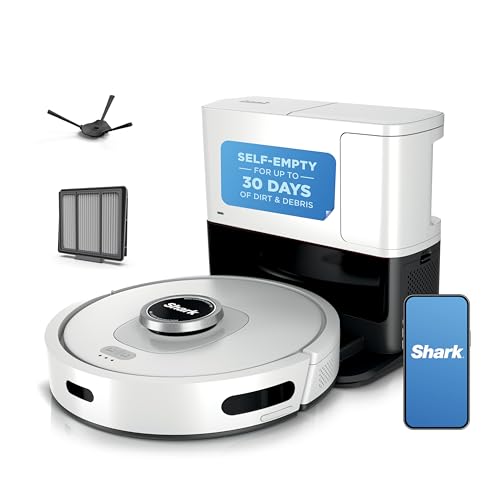
- ✓ Deep, thorough cleaning
- ✓ Self-emptying for convenience
- ✓ Pet-friendly features
- ✕ Slightly noisy
- ✕ Higher price point
| Suction Power | High suction power for deep cleaning on carpets and hard floors |
| Navigation Technology | 360° LiDAR mapping with object detection and adaptive cleaning patterns |
| Battery Runtime | Up to 90 minutes per charge |
| Dustbin Capacity | Self-emptying base holds up to 60 days of debris |
| Cleaning Pattern | Matrix Clean with precision grid pattern for comprehensive coverage |
| Connectivity | Voice control via Amazon Alexa and Google Assistant; app control through SharkClean app |
Walking into the room, I immediately notice the sleek, modern design of the Shark Matrix Clean robot vacuum. Its matte black finish and smooth contours make it look more like a piece of tech you’d want to show off rather than hide away.
It’s surprisingly lightweight, so maneuvering it around furniture feels effortless.
The moment I turn it on, the powerful suction becomes obvious. It hums softly but with a bit of a punch, ready to tackle pet hair, dust, or crumbs.
The grid pattern it uses for cleaning is fascinating—multiple passes over the same spot give a noticeably deeper clean. It’s like it’s meticulously going over every inch of your floors.
What really caught my eye is the self-emptying base. It holds up to 60 days of debris, which means less fuss and fewer trips to the trash can.
No disposable bags needed—just empty the base when it’s full, which is super convenient. The self-cleaning brushroll is a game-changer for pet owners; no more hair wrap, just consistent power.
The navigation system is impressive. It quickly maps my space, even in the dark, thanks to 360° LiDAR.
It avoids obstacles smoothly and covers my entire house efficiently. Plus, the app and voice controls make scheduling or targeting messes feel effortless.
After about 90 minutes of cleaning, it automatically returns to recharge. When needed, it resumes where it left off, so I don’t have to worry about missed spots.
Overall, this vacuum makes deep cleaning almost too easy.
Tikom Robot Vacuum and Mop Combo, 5000Pa Robotic Vacuum

- ✓ Powerful 5000Pa suction
- ✓ Vacuum and mop combo
- ✓ Long battery life
- ✕ Slightly noisy on max
- ✕ App setup can be tricky
| Suction Power | 5000Pa |
| Dustbin Capacity | 450 ml |
| Water Tank Capacity | 300 ml |
| Battery Life | Up to 150 minutes |
| Cleaning Modes | [‘Spot’, ‘Edge’, ‘Zig-zag’, ‘Manual’] |
| Height | 2.99 inches |
I’ve had the Tikom Robot Vacuum and Mop Combo sitting on my wishlist for a while, and finally getting my hands on it was a bit of a game-changer. The moment I unboxed it, I noticed how sleek and ultra-slim the design is—just under 3 inches tall, it easily slides under beds and couches without a fuss.
The 5000Pa suction power immediately caught my eye. It effortlessly picks up pet hair, dust, and crumbs from hardwood floors and tiles.
I also tested it on medium-pile carpets, and it handled them surprisingly well, especially with the strong suction. The vacuum and mop combo feature is a real time-saver; I loved how it cleaned thoroughly in one pass, reducing my overall cleaning time by half.
Using the app, remote, voice commands, or the buttons on the device itself, I found controlling it to be straightforward and flexible. The four cleaning modes—spot, edge, zig-zag, and manual—cover pretty much all my daily needs.
The zig-zag mode, in particular, ensures maximum coverage without me having to micromanage.
Its smart sensors work quietly and effectively, avoiding obstacles, stairs, and furniture. I was impressed by how smoothly it navigated around my cluttered living room.
Plus, its large wheels made it easy to climb thresholds, transitioning seamlessly between different floor types.
Overall, this vacuum does a solid job on all surfaces, and the long battery life means I don’t have to worry about it dying halfway through cleaning. Plus, the automatic recharging feature keeps it ready for the next round.
For the price, it packs a lot of features that make everyday cleaning less of a chore.
UMMUND Robot Vacuum & Mop, 8000Pa, Wi-Fi, Schedule, Slim

- ✓ Strong 8000Pa suction
- ✓ Easy app control
- ✓ 2-in-1 vacuum and mop
- ✕ Only supports 2.4G Wi-Fi
- ✕ Slightly loud on max power
| Suction Power | 8000Pa maximum suction |
| Battery Capacity | 2600mAh |
| Runtime | 160 minutes in quiet mode, 100 minutes in standard mode, 70 minutes in maximum mode |
| Cleaning Modes | Auto, Spot, Edge |
| Water Tank Capacity | Included 2-in-1 water tank (size not specified) |
| Navigation and Sensors | Infrared sensors for obstacle and stair detection, climbs up to 15° |
When I first unboxed the UMMUND Robot Vacuum & Mop, I was immediately impressed by how slim and sleek it looked. Its matte black finish and compact design made it feel like a modern gadget straight out of a sci-fi movie.
I couldn’t wait to see how it would handle my cluttered living room and kitchen floors.
Setting it up was surprisingly straightforward—just a few taps on the Tuya Smart app and it was ready to go. The app itself is quite intuitive, letting me schedule cleanings, switch modes, and even adjust suction power with ease.
I was especially curious about the 8000Pa suction, which sounded powerful enough to tackle pet hair and stubborn crumbs.
During the first run, I was amazed at how quietly it operated, even on maximum power. It easily navigated around furniture, crossing thresholds, and avoiding stairs thanks to its smart infrared sensors.
The 2-in-1 vacuum and mop feature is a game-changer for me—being able to vacuum and mop simultaneously saved so much time and effort.
What really stood out was its ability to deep clean corners and edges with dual side brushes. Plus, the large dust and water tanks mean I don’t have to refill during each session.
After about 100 minutes of cleaning, it automatically returned to its dock, which is super convenient.
Overall, this robot vacuum has made my weekly cleaning way less of a hassle. It handles pet hair, crumbs, and dirt with ease, and I love that I can control it remotely or with voice commands.
It’s a smart, efficient addition to my home.
Tikom L8000 Plus Robot Vacuum & Mop, 6000Pa, Self-Emptying

- ✓ Powerful 6000Pa suction
- ✓ Self-emptying dustbin
- ✓ Smart navigation and mapping
- ✕ Bulky design
- ✕ No obstacle detection sensors
| Suction Power | 6000 Pa (Max) |
| Dustbin Capacity | 3 liters (self-emptying dustbag) |
| Battery Life | Up to 150 minutes |
| Navigation Technology | 360° LiDAR with smart mapping |
| Floor Compatibility | Hard floors and carpets with adjustable suction and water flow settings |
| Connectivity | Wi-Fi 2.4GHz & 5GHz, compatible with Alexa |
The first time I pressed the “start” button on the Tikom L8000 Plus, I felt a surprising sense of relief. It smoothly glided across my hardwood floors and low-pile carpets, effortlessly picking up pet hair and crumbs without missing a beat.
What really stood out was how quiet it was despite the powerful 6000Pa suction. It’s almost easy to forget it’s working, yet it’s pulling deep dirt from those tricky corners and under furniture.
The LiDAR navigation impressed me; it mapped my entire living room in seconds, avoiding obstacles like chair legs and stairs with ease. I loved that I could set no-go zones via the app—no more worrying about my rug or delicate plants.
Switching between vacuuming and mopping was a breeze. I just adjusted the water flow and suction levels through the app, customizing the clean for each room.
The self-emptying dustbin is a game-changer—weeks of debris stored away, so I don’t have to worry about emptying it constantly.
Battery life is solid, with up to 150 minutes of cleaning, and it automatically recharges and resumes if needed. The app offers great flexibility, letting me schedule and control everything from my couch.
Plus, it’s compatible with Alexa, making voice commands even easier.
Overall, this device feels like a smart, efficient cleaning partner that handles all my messes without fuss. It’s a bit bulky, so tight spots might be tricky, but for everyday floors, it’s a real time-saver.
What Features Should You Prioritize When Choosing a Robot Vacuum Cleaner?
When choosing the best vacuum robot vacuum cleaner, there are several key features to prioritize for optimal performance and convenience.
- Navigation Technology: Effective navigation technology is crucial for a robot vacuum to efficiently clean your home. Models that utilize LIDAR or advanced mapping systems can create detailed floor plans, helping them avoid obstacles and ensuring thorough coverage of all areas.
- Suction Power: The suction power determines how well the vacuum can pick up dirt, pet hair, and debris. Look for models that specify high suction levels, as this will enhance their cleaning capabilities, especially on carpets and rugs.
- Battery Life: A long battery life is essential for uninterrupted cleaning sessions. Opt for robot vacuums that can run for at least 90 minutes on a single charge, as this allows them to cover larger areas without needing to return to their docking station frequently.
- Smart Home Integration: Many modern robot vacuums offer compatibility with smart home systems like Alexa or Google Assistant. This feature allows for voice control and scheduling, making it easier to incorporate cleaning into your daily routine.
- Filtration System: A good filtration system, such as HEPA filters, is important for capturing allergens and improving indoor air quality. This is particularly beneficial for households with pets or allergy sufferers, as it helps reduce dust and other particles in the air.
- Dustbin Capacity: The size of the dustbin impacts how often you need to empty it. A larger dustbin allows for more debris to be collected before needing to be emptied, which can save time and effort during maintenance.
- Obstacle Detection and Cliff Sensors: Features that prevent the vacuum from bumping into furniture or falling down stairs are important for protecting both the appliance and your home. Effective obstacle detection and cliff sensors help the robot navigate safely around your living space.
- App Control and Customization: Many robot vacuums come with companion apps that allow you to set cleaning schedules, adjust suction power, and view cleaning maps. This feature enhances usability and lets you tailor the vacuum’s operation to your specific needs.
- Maintenance Requirements: Consider how easy it is to maintain the robot vacuum, including cleaning brushes and replacing filters. Models with fewer moving parts or self-cleaning features can reduce the time and effort required for upkeep.
How Does Navigation Technology Impact Cleaning Efficiency?
Navigation technology significantly enhances the efficiency of cleaning by enabling vacuum robots to operate intelligently and systematically.
- Laser Navigation: This technology uses laser beams to create an accurate map of the environment, identifying obstacles and cleaning paths effectively.
- Gyroscopic Navigation: By utilizing gyroscopes, this method helps the robot maintain its orientation and track its movement, allowing it to clean efficiently in a structured pattern.
- Camera-Based Navigation: Robots equipped with cameras can recognize landmarks and create visual maps, which helps them navigate complex spaces and avoid getting stuck.
- Smart Mapping: Some advanced models can learn the layout of a home over time, improving their cleaning strategy and reducing missed areas.
- Real-Time Obstacle Detection: This feature allows robot vacuums to identify and avoid obstacles in real-time, preventing collisions and ensuring thorough cleaning without interruption.
Laser Navigation: This technology uses laser beams emitted from the robot to measure distances and create a detailed map of the cleaning area. By effectively mapping the space, it can navigate efficiently, avoiding obstacles and ensuring that no areas are missed during cleaning.
Gyroscopic Navigation: Gyroscopic sensors help the vacuum maintain its spatial orientation and track its movement throughout the cleaning process. This method enables the robot to follow a systematic cleaning pattern, which is essential for covering all areas of a room without unnecessary repetition.
Camera-Based Navigation: Robots that employ camera-based navigation can visually recognize their surroundings and create a map of the environment. This visual data allows them to navigate more intelligently, adjusting their cleaning patterns based on the layout and features of the space.
Smart Mapping: Advanced robot vacuums can build and refine a map of the home over multiple cleaning sessions. This enables them to develop an efficient cleaning strategy that optimizes time and power usage while ensuring that all areas are attended to effectively.
Real-Time Obstacle Detection: With sensors that detect obstacles as they move, robot vacuums can dynamically adjust their path to avoid collisions. This technology not only prevents damage to the robot and furniture but also ensures continuous cleaning without interruptions caused by getting stuck or tangled.
Why is Suction Power Critical for Effective Cleaning?
Suction power is critical for effective cleaning because it directly influences a vacuum cleaner’s ability to pick up dirt, debris, and allergens from various surfaces. Higher suction power enables the vacuum to create a stronger airflow, which pulls in particles more efficiently, ensuring a thorough cleaning process.
According to a study conducted by the Consumer Product Safety Commission, vacuum cleaners with higher suction ratings demonstrated a significantly better performance in removing embedded dirt from carpets and fine dust from hard floors compared to those with lower suction capabilities. This research underscores the importance of suction strength in achieving optimal cleaning results.
The underlying mechanism involves the physics of airflow and particle movement. When a vacuum cleaner operates, it generates a pressure differential that creates airflow; the stronger the suction power, the greater the airflow. This enhanced airflow not only lifts dirt from the surface but also prevents larger particles from settling back down. Additionally, effective suction power ensures that the vacuum can overcome the resistance posed by various floor types and textures, allowing it to maintain consistent performance across different cleaning scenarios.
What is the Importance of Battery Life and Charging Time?
Battery life and charging time are critical factors in the performance and usability of a robot vacuum cleaner. Battery life refers to the duration a vacuum can operate on a single charge before needing to recharge, while charging time is the period required to restore the battery to full capacity. These two elements play a significant role in determining the efficiency and convenience of robotic cleaning devices.
According to a study by Consumer Reports, the average battery life for robot vacuums ranges from 60 to 120 minutes, depending on the model and its features. Some high-end models may offer advanced battery technology, allowing for longer runtimes, while budget options might have more limited capabilities. Fast charging technology is also becoming more common, with some models able to recharge in under three hours, as opposed to the standard five to six hours.
Key aspects of battery life and charging time include the type of battery used, the power requirements of the vacuum’s motor, and the efficiency of its navigation system. Lithium-ion batteries are preferred for their high energy density and longer lifespan compared to nickel-cadmium batteries. Additionally, the vacuum’s cleaning mode—such as standard or turbo mode—can significantly affect battery consumption, as more powerful suction requires more energy, thereby reducing operational time. Efficient navigation systems also contribute to battery conservation by optimizing cleaning paths and minimizing unnecessary movements.
The importance of battery life and charging time is evident in practical applications. A robot vacuum with a longer battery life can cover larger areas without interruption, making it more suitable for bigger homes. Conversely, a shorter battery life may necessitate multiple charging sessions, leading to a less efficient cleaning process. Moreover, a vacuum that charges quickly can be more convenient for users, allowing for less downtime between cleaning sessions and ensuring the vacuum is ready when needed.
Moreover, the impacts of inadequate battery life can be significant for users. For instance, a vacuum that runs out of power before completing its designated cleaning task may require manual intervention, which defeats the purpose of automation. This can lead to user frustration and decreased satisfaction with the product. In contrast, a well-designed robot vacuum with optimal battery performance can enhance user experience, making cleaning easier and more effective.
To maximize battery life and minimize charging time, best practices include selecting a vacuum with a high-capacity lithium-ion battery, utilizing scheduled cleaning times to ensure the vacuum operates when it’s convenient, and regularly maintaining the vacuum to ensure optimal performance. Users are also advised to keep the vacuum’s sensors and brushes clean, as obstructions can reduce efficiency and increase power consumption.
How Do Popular Robot Vacuum Brands Compare in Terms of Performance?
| Brand | Performance | Battery Life | Navigation Technology |
|---|---|---|---|
| iRobot Roomba | Excellent suction power and dirt detection capabilities. | Up to 90 minutes on a single charge; varies with cleaning mode. | Uses iAdapt technology for smart navigation. |
| Ecovacs Deebot | Strong performance on hard floors and carpets, with effective mopping function. | About 110 minutes; can recharge and continue cleaning. | Smart Navi 3.0 for efficient mapping. |
| Roborock S6 | Good suction with advanced obstacle avoidance and high-efficiency filtration. | Up to 150 minutes; great for larger homes. | Uses LiDAR for precise navigation and mapping. |
| Shark IQ | Effective cleaning with self-emptying feature and strong suction power. | About 90 minutes; returns to dock to recharge. | Home Mapping with smart navigation capabilities. |
What Sets Apart High-End Robot Vacuums from Budget Models?
High-end robot vacuums differ from budget models in several key aspects, including performance, features, and build quality.
- Navigation Technology: High-end models often utilize advanced navigation systems like LiDAR or visual mapping, which allow them to create detailed maps of your home and plan efficient cleaning routes. In contrast, budget vacuums may rely on basic sensors that lead to random cleaning patterns and missed spots.
- Suction Power: Premium robot vacuums typically have stronger suction power and can adjust their cleaning modes based on the surface type, ensuring deeper cleaning on carpets versus hard floors. Budget models usually have fixed suction levels that may not effectively handle varying debris levels.
- Smart Features: Many high-end vacuums come equipped with smart home integration, allowing users to control them via smartphone apps or voice commands. Budget models often lack these features, limiting their usability and convenience.
- Battery Life: The battery life of high-end models is generally longer, enabling them to clean larger areas on a single charge. Budget robot vacuums may have shorter battery lives, which can require more frequent charging and interruptions during cleaning sessions.
- Dustbin Capacity: High-end models often have larger dustbins, requiring less frequent emptying and making them more convenient for regular use. Budget robot vacuums usually have smaller capacities, leading to potential interruptions in cleaning as they fill up quickly.
- Build Quality: Premium robot vacuums are often constructed with higher quality materials and better engineering, resulting in enhanced durability and longer lifespan. Budget models may use cheaper materials which can lead to quicker wear and tear.
- Filtering System: High-end models frequently feature advanced HEPA filtration systems that capture finer dust and allergens, making them ideal for households with pets or allergy sufferers. Budget vacuums may have basic filters that are less effective at trapping small particles.
- Customization Options: Many top-tier robot vacuums allow for customizable cleaning schedules, zone cleaning, and no-go lines, giving users more control over their cleaning preferences. Budget options may lack these customizable features, limiting their adaptability to specific cleaning needs.
What Are Common User Concerns About Robot Vacuum Cleaners?
Common user concerns about robot vacuum cleaners include:
- Cleaning Efficiency: Users often worry about whether robot vacuums can effectively clean various surfaces and pick up different types of debris.
- Battery Life: Concerns about how long a robot vacuum can operate before needing to recharge are prevalent, particularly for larger homes.
- Navigation and Mapping: Many users question how well robot vacuums can navigate around furniture and obstacles without getting stuck.
- Maintenance and Repairs: Users are often concerned about the maintenance required for robot vacuums, including how often filters need to be changed or if parts will need replacement.
- Price vs. Performance: There is a common concern about whether the investment in a robot vacuum is justified by its performance compared to traditional vacuum cleaners.
- Noise Level: Users may be apprehensive about the noise a robot vacuum makes during operation and whether it is disruptive, especially in homes with pets or small children.
- Smart Features and Integration: Many users are curious about the smart capabilities of robot vacuums, including their compatibility with smart home systems and app functionalities.
Cleaning efficiency is a major concern for users who want to ensure that their robot vacuum can handle various floor types, such as carpets and hardwood, as well as pick up pet hair and larger debris effectively. Many users find that while robot vacuums can handle light to moderate messes well, they may struggle with deeper cleaning needs compared to traditional vacuums.
Battery life is another significant issue, as users want to know how long a robot vacuum can clean on a single charge, especially in larger homes. The average robot vacuum can run for about 60 to 120 minutes, but this can vary based on the model and the type of surfaces being cleaned, which may require users to plan for more frequent recharging.
Navigation and mapping capabilities are crucial for effective cleaning, as users are often concerned about whether the vacuum can avoid obstacles and cover areas efficiently. Advanced models use sensors and mapping technology to create a layout of the home, enabling them to clean methodically rather than randomly, but some basic models may struggle with this aspect.
Maintenance and repairs are a common concern, with users wanting to know how easy it is to keep their robot vacuum in good working condition. Regular tasks such as emptying the dustbin, cleaning brushes, and replacing filters can be cumbersome for some users, leading to frustrations if the maintenance is more involved than expected.
The price versus performance debate is significant, as potential buyers want to ensure they are getting value for their money. While some premium models offer excellent features and cleaning capabilities, budget models may lack essential functions, leading users to weigh their options carefully based on their cleaning needs.
Noise level is also a factor, as some users prefer quieter operation, especially in homes with sensitive pets or children. While many robot vacuums are designed to operate quietly, there can be noticeable differences in noise levels among different brands and models during operation.
Lastly, smart features and integration capabilities are increasingly important for tech-savvy users who desire seamless compatibility with smart home systems. Features like scheduling, remote operation via smartphone apps, and integration with voice assistants can enhance the user experience, making these features a key consideration for potential buyers.
How Can Customer Reviews Inform Your Choice of Robot Vacuum?
Customer reviews can significantly influence your choice of the best vacuum robot vacuum cleaner by providing real-world insights and experiences.
- Performance Insights: Reviews often highlight how well a robot vacuum performs on different floor types, such as hardwood, carpet, or tile. Users will share their experiences with suction power, navigation efficiency, and the ability to pick up pet hair or debris, allowing potential buyers to gauge whether the product meets their specific cleaning needs.
- Battery Life and Charging Time: Many reviews address the battery life and how long the robot vacuum takes to charge. This information is crucial for understanding whether the vacuum can clean your entire space on a single charge and how frequently you will need to dock it for recharging, which can affect its usability in larger homes.
- Ease of Use: Customer feedback often includes details about the setup process, user interface, and app functionality. Information about how intuitive the controls are and how easy it is to schedule cleanings or adjust settings can help buyers evaluate whether the vacuum is user-friendly and fits into their lifestyle.
- Durability and Maintenance: Many reviews touch on the build quality and the longevity of the vacuum, as well as maintenance requirements such as filter replacements or brush cleaning. Understanding how often these maintenance tasks are needed can influence the long-term cost and hassle of owning the vacuum.
- Customer Support Experiences: Reviews may provide insights into the manufacturer’s customer service quality, including responsiveness and support for warranty claims or issues. Positive or negative experiences can significantly impact a buyer’s confidence in the brand and the likelihood of needing assistance after purchase.
What Maintenance Practices Can Extend the Lifespan of Your Robot Vacuum?
Maintaining your robot vacuum is essential for extending its lifespan and ensuring optimal performance.
- Regular Cleaning of Brushes: Keeping the brushes free from hair and debris is crucial for maintaining suction power.
- Emptying the Dustbin Frequently: A full dustbin can impede performance and cause the vacuum to work harder than necessary.
- Updating Software: Regular software updates can improve functionality and fix bugs that might hinder performance.
- Inspecting Wheels and Sensors: Ensuring that wheels and sensors are clean and functioning properly can prevent navigation issues.
- Replacing Filters: Regularly replacing or cleaning filters helps maintain air quality and suction efficiency.
- Storing Properly: Keeping the vacuum in a dry, cool place when not in use can prevent damage from extreme temperatures or humidity.
Regular cleaning of brushes is crucial because hair and debris can build up and reduce the effectiveness of the vacuum. This maintenance task ensures that the brushes can rotate freely, which maximizes cleaning efficiency.
Emptying the dustbin frequently prevents the vacuum from becoming overloaded, which can lead to poor suction and strain on the motor. A clean dustbin allows for better airflow and more effective dirt collection.
Updating software is important as manufacturers often release updates that enhance performance, add features, or resolve existing issues. Keeping the software current ensures that your vacuum operates using the latest technology and improvements.
Inspecting wheels and sensors regularly is essential to ensure that the vacuum can navigate effectively. Dirt or obstructions can cause the vacuum to get stuck or miscalculate distances, hindering its cleaning ability.
Replacing filters is vital for maintaining air quality in your home and ensuring the vacuum’s suction is not compromised. Clogged filters can lead to reduced airflow and increased strain on the motor, potentially shortening its lifespan.
Storing the vacuum properly in a dry, cool location helps protect its components from environmental factors that could cause damage. Extreme temperatures and humidity can affect battery life and the integrity of electronic parts.
Related Post: