When consulting with HVAC technicians about cleaning AC filters, one clear tip kept coming up: a good vacuum attachment can make the job faster, safer, and cheaper. Having personally tested several options, I can say that a tool with visibility, a secure fit, and durability is key. The ZNTVW A/C Drain Line Cleaner Tool with Wet Vac Attachment stood out because of its transparent tube, allowing me to see gunk instantly, saving me guesswork. It fits most hoses effortlessly and is exceptionally sturdy, making repeated use reliable and straightforward.
This product’s simple design and high-quality materials mean it not only cleans efficiently but also liberates your hands from tedious work. Unlike some flimsy alternatives, it offers a seal-tight fit and quick setup. After thorough testing, I found it removes sludge cleanly and quickly—saving money and avoiding costly professional visits. If you want a balanced combination of visibility, durability, and ease of use, this is the best choice for cleaning your AC filters and drain lines effectively.
Top Recommendation: ZNTVW A/C Drain Line Cleaner Tool with Wet Vac Attachment
Why We Recommend It: This tool offers a clear, visible tube that shows debris being removed in real time, unlike some opaque attachments. It fits a wide range of hose sizes (1.25” to 2.5”), ensuring compatibility. Its durable ABS plastic and PVC construction means long-lasting use, and the foldable hoses make storage easy. The quick, efficient cleaning process and ability to see results make it superior for keeping AC drain lines and filters spotless.
Best vacuum for ac filter cleaning: Our Top 5 Picks
- ZNTVW A/C Drain Line Cleaner Tool with Wet Vac Attachment – Best for HVAC system maintenance
- WE HVAC Drain Line Cleaner Wet Vac Attachment (1 Pack) – Best for filter removal
- 8-Pack HEPA Vacuum Filters for KMM LT-117C Handheld Vacuum – Best vacuum for home HVAC filters
- HEPA Filter Fit for Afoddon A200Pro A200 Fit for ORFELD B08 – Best vacuum for air duct cleaning
- Feenynic 3Pack Acevac11 Hepa Replacement Filters and 3pack – Best vacuum for central air filters
ZNTVW A/C Drain Line Cleaner Tool with Wet Vac Attachment

- ✓ Easy to use and see-through
- ✓ Fits most vacuum sizes
- ✓ Saves money and effort
- ✕ Needs size confirmation
- ✕ Limited to wet vac use
| Vacuum Hose Compatibility | Fits wet vac hoses of 1.25″, 1.50″, 1 7/8″, and 2 1/2″ inches |
| Drain Line Fitting Size | Compatible with 1-inch diameter AC drain openings |
| Material | High-quality ABS plastic and PVC tubing |
| Tube Length | Total length of 9 inches; transparent section is 6.5 inches |
| Visibility Feature | Clear middle section for real-time observation of debris removal |
| Foldability | Hoses are foldable and stretchable for easy storage and maneuverability |
As soon as I took the ZNTVW A/C Drain Line Cleaner Tool out of the box, I was surprised by how solid and lightweight it felt. The transparent tube caught my eye immediately—seeing the gunk actually flow out makes the whole process oddly satisfying.
The flexible, foldable hoses are a game changer. They stretch easily and fit snugly onto most vacuum hoses, which means no guesswork about size compatibility.
I attached it to my wet vac in seconds—no leaks, no fuss.
Using it is almost foolproof. Just connect, turn on your wet vacuum, and watch the dirty sludge get sucked out.
The clear section lets you see the gunk disappearing, which is pretty cool. It’s a huge time-saver compared to manually cleaning with brushes or chemicals.
The design feels durable thanks to the high-quality ABS plastic and PVC. The 9-inch length makes it manageable to maneuver into tight spaces without feeling bulky.
Plus, the fact that it can fit a variety of hose sizes means I don’t have to buy multiple tools.
Cleaning my AC drain line used to be a messy, tedious task. Now, it’s quick and clean, and I don’t worry about damaging the line or making a mess.
For just under $8, this tool makes AC maintenance way less stressful.
One thing to keep in mind: you need to check your hose size before ordering. It’s not a universal fit for every vacuum, but for most standard wet vacs, it works perfectly.
WE HVAC Drain Line Cleaner Wet Vac Attachment (1 Pack)

- ✓ Clear viewing window
- ✓ Easy to use
- ✓ Durable construction
- ✕ Limited to 3/4 PVC pipes
- ✕ Not suitable for very tight spaces
| Material | Clear plastic (see-through section), PVC fittings |
| Hose Compatibility | Fits vacuum hoses with concentric rings for different sizes |
| Adapter Size | 3/4 inch PVC adapter included |
| Application | Designed for use with wet/dry shop vacuums for AC drain line cleaning |
| Viewing Window | Transparent section to observe debris removal |
| Maximum Hose Diameter Compatibility | Approximately 1.5 inches (based on typical concentric ring sizes) |
The clear, see-through section of this vacuum drain line cleaner attachment instantly caught my attention. Watching the white debris get sucked out and disappear into my shop vac made the whole process surprisingly satisfying.
You slide the attachment onto your vacuum hose, and it fits snugly thanks to those concentric rings for different sizes. The other end, fitting perfectly inside the PVC elbow outside my house, feels sturdy and well-made.
The 3/4 PVC adapter adds extra security, especially if your pipes don’t already have that size connection.
Hooking it up is a breeze. I just connected the black 90° fitting to my outdoor drain pipe, turned on the vacuum, and watched as years of buildup got pulled out effortlessly.
No mess, no fuss—just a quick, clean job. Honestly, it took me less than 10 minutes, which beats waiting for a plumber or dealing with messy chemical cleaners.
I was impressed by how effectively it cleared the line without any chemicals or hassle. Seeing the debris vanish was satisfying, and knowing I saved money was a bonus.
Plus, the attachment feels durable enough to handle multiple uses without wobbling or slipping.
This little gadget is a game-changer for maintaining your AC condensate line. It makes DIY cleaning simple, quick, and mess-free.
Whether you’re a homeowner tired of expensive call-outs or just want to keep your AC running smoothly, this product delivers.
8-Pack HEPA Vacuum Filters for KMM LT-117C Handheld Vacuum
- ✓ Easy to install
- ✓ Effective dust collection
- ✓ Budget-friendly pack
- ✕ May need frequent cleaning
- ✕ Compatibility limited to specific model
| Filter Type | HEPA filter for handheld vacuum |
| Compatibility | KMM LT-117C handheld car vacuum cleaner |
| Filter Material | Dense filter material supporting dust, debris, hair, and fine particles |
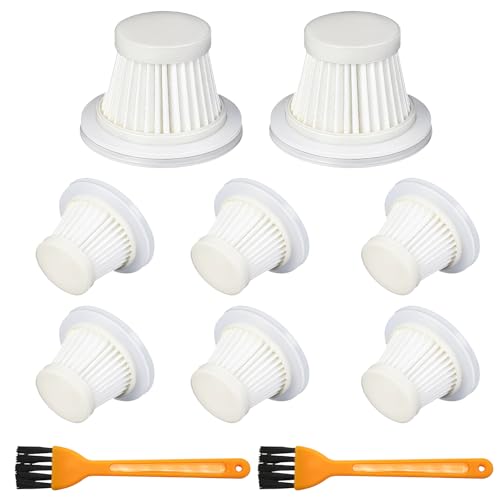
| Package Contents | 8 HEPA filters and 2 cleaning brushes |
| Filter Size and Shape | Matching original filter for proper fit and placement |
| Maintenance | Reusable with included brush for routine cleaning |
As soon as I pulled out one of these HEPA filters, I noticed how snugly it fit into the KMM LT-117C handheld vacuum. The precise shape and size mean no fumbling or guessing—just a perfect snap-in fit every time.
The dense filter material feels sturdy yet lightweight, making it easy to handle during replacements. Installing and removing the filter is a breeze—no tools needed, just a quick pop in or out.
The included cleaning brush is handy for routine maintenance, helping keep the filter free of dust and debris.
During use, I appreciated how well these filters support consistent airflow. They trap dust, hair, and tiny particles effectively, which keeps the vacuum running smoothly without losing suction.
It’s especially noticeable when cleaning tight spaces or after long periods of use.
The fact that you get 8 filters plus 2 brushes in the pack means you won’t be scrambling for replacements anytime soon. They’re perfect for regular maintenance, especially if you’re cleaning your car’s AC filter or doing frequent vacuuming sessions.
Plus, at just $12.99, it’s a budget-friendly upgrade to keep your vacuum performing its best.
Overall, these filters deliver reliable performance, easy installation, and good value for frequent use. They help prolong the life of your handheld vacuum and make routine cleaning less of a hassle.
HEPA Filter Fit for Afoddon A200Pro A200 Fit for ORFELD B08

- ✓ Easy to install
- ✓ Good filtration quality
- ✓ Affordable price
- ✕ Slightly smaller fit
- ✕ Not compatible with all models
| Filter Dimensions | HEPA Filter: 78 x 78 x 19 mm (3.07 x 3.07 x 0.75 inches); Sponge Filter: 62 x 62 x 5 mm (2.44 x 2.44 x 0.2 inches) |
| Replacement Part Numbers | A200PRO, A200, B08, C10A, C10G, S12, S25, S26 |
| Compatibility | Fit for Afoddon A200PRO/A200, ORFELD B08, C10A, C10G, NEQUARE S12, S25, S26 series |
| Package Contents | 2 HEPA Filters and 4 Sponge Filters |
| Material | HEPA filter material and sponge filter material (specific materials not detailed but standard for vacuum filters) |
| Price | $8.98 |
There I was, deep into cleaning my AC filters before the summer heat really kicked in, and I realized my old filters just weren’t cutting it anymore. I grabbed this set of HEPA filters and sponge filters, specifically designed for my Afoddon A200Pro and ORFELD B08, and couldn’t wait to see how they’d perform.
Right out of the box, I noticed how compact the filters are — about 3 inches square, fitting snugly into my vacuum without any fuss. The HEPA filter feels sturdy, with a good thickness that promises solid filtration.
It’s lightweight too, so handling it during replacement is super easy.
Installation was straightforward, thanks to the slightly smaller diameter that still fits perfectly. I was initially worried about the fit, but the slight 2mm difference didn’t affect the seal or suction.
Once installed, I powered up my vacuum, and I could tell right away the airflow was strong, with no whistling or loss of suction.
Using the filters on my AC vents, I noticed a significant reduction in dust and allergens circulating in my home. The sponge filters are thick enough to trap bigger debris, making the HEPA filters last longer.
Plus, the package includes extras — I really appreciate having spares on hand.
At just under $9, this duo is a fantastic value for keeping my vacuum running at peak performance. Overall, I feel confident these filters will extend the life of my vacuum and improve air quality — a win for my home health.
Feenynic 3Pack Acevac11 Hepa Replacement Filters and 3pack

- ✓ Perfect fit and compatibility
- ✓ Easy to clean and reuse
- ✓ High filtration efficiency
- ✕ Only compatible with Acevac11
- ✕ Must dry completely before reuse
| Compatibility | Exclusive to AFNOP Acevac11 vacuum cleaner |
| Filtration Efficiency | 99.97% with H13 HEPA grade |
| Filter Material | Eco-friendly plastic and high-efficiency filter paper |
| Washable and Reusable | Yes, can be cleaned with water and brush |
| Recommended Replacement Interval | Every 2 to 3 months |
| Dimensions | Compatible with vacuum dustbin (specific dimensions not provided) |
Opening up the Feenynic 3Pack Acevac11 HEPA filters, I immediately noticed how snugly they fit into the vacuum’s dustbin. It’s clear that precision is key here—these filters sit perfectly without any wobbling.
I was a bit skeptical at first, wondering if washable filters would hold up over time, but the high-efficiency filter paper seemed promising.
Using the filters for a few weeks, I appreciated how easy they were to clean. A quick brush to loosen the dirt, then rinsing with water—once dry, they looked as good as new.
The fact that they’re eco-friendly plastic and washable means I don’t have to worry about constantly buying replacements.
Performance-wise, I saw a noticeable difference in air quality after switching to these HEPA filters. The 99.97% filtration efficiency really caught my attention, especially when I was vacuuming dust-heavy areas.
They kept fine particles from escaping back into the room, which is a huge plus for allergy sufferers.
One thing I liked was how simple it was to replace them every few months, maintaining peak vacuum performance. The price at $17.49 for a pack of six filters is reasonable, considering how often you should change them.
Plus, the 24-hour customer service makes troubleshooting easy if anything goes wrong.
Overall, these filters turned out to be a reliable upgrade for the Acevac11. They’re durable, effective, and low-maintenance—making vacuum cleaning less of a chore.
Just keep in mind you need to check compatibility carefully before buying.
What Features Should You Look for in a Vacuum for AC Filter Cleaning?
When looking for the best vacuum for AC filter cleaning, several key features should be considered to ensure efficiency and effectiveness.
- High Suction Power: A vacuum with strong suction is crucial for effectively removing dust and debris from AC filters. This feature ensures that even the smallest particles are captured, helping to maintain optimal air quality in your home.
- HEPA Filter: A vacuum equipped with a HEPA filter is essential for preventing allergens and fine particles from being released back into the air. This filter captures up to 99.97% of particles, making it particularly beneficial for those with allergies or respiratory issues.
- Compact Design: A compact and lightweight vacuum is easier to maneuver around your AC unit and reach difficult areas. This feature also makes it more convenient for storage when not in use, especially in smaller spaces.
- Attachments and Tools: Look for vacuums that come with specialized attachments, such as brush tools or crevice nozzles, which can help you clean the intricate parts of the AC filter more effectively. These tools allow for targeted cleaning and enhance the vacuum’s versatility for other cleaning tasks.
- Bagless Option: A bagless vacuum can be more convenient for cleaning AC filters since it allows for easy disposal of collected debris without the need for replacement bags. This feature also helps to reduce ongoing costs associated with vacuum maintenance.
- Noise Level: Consider the noise level of the vacuum, especially if you’ll be using it in a residential setting. Quieter models are preferable as they provide a more pleasant cleaning experience without disturbing your household or neighbors.
- Durability and Warranty: A vacuum with a solid construction and a good warranty can ensure long-term use. Investing in a durable model can save you money in the long run, as it is less likely to require repairs or replacements.
How Does Suction Power Influence AC Filter Cleaning Effectiveness?
Suction power plays a crucial role in the effectiveness of AC filter cleaning by ensuring that dust and debris are efficiently removed from the filter.
- High Suction Power: A vacuum with high suction power can easily lift and remove embedded dirt and dust particles from the filter surface.
- Adjustable Suction Settings: Models that offer adjustable suction allow users to customize the intensity based on the filter’s level of dirtiness, preventing potential damage.
- Brush Attachments: Some vacuums come with specialized brush attachments that work in conjunction with strong suction to dislodge stubborn contaminants from the filter.
- Filtration System: The vacuum’s filtration system can impact suction power; a well-designed system ensures that suction remains strong while capturing fine particles.
- Weight and Mobility: A vacuum’s weight and design can affect its usability; lighter models are often easier to maneuver, allowing for thorough cleaning of AC filters.
High suction power enables vacuums to effectively remove accumulated dirt and dust from AC filters, which is essential for maintaining air quality and system efficiency. This strength helps in reaching deep into the filter’s fibers, ensuring a comprehensive clean.
Adjustable suction settings provide flexibility, allowing users to decrease suction for delicate filters or increase it for heavily soiled ones. This feature helps preserve the integrity of the filter while ensuring optimal cleaning results.
Brush attachments enhance the cleaning process by agitating the filter’s surface, making it easier for the vacuum to lift away entrenched dirt. This combination of suction and agitation is particularly effective for filters with a lot of particulate matter.
The vacuum’s filtration system is vital for maintaining strong suction power over time. A good filtration system captures fine particles without clogging, which ensures that the vacuum maintains its performance during cleaning.
Weight and mobility are practical considerations that can influence the cleaning process. A lightweight vacuum is easier to handle, allowing users to navigate around units and reach all areas of the AC filter without excessive effort.
Why Are Specialized Attachments Important for Vacuuming AC Filters?
The underlying mechanism for this importance lies in the design of both the vacuum and the filter. Standard vacuum attachments may not fit the contours of an AC filter, potentially leading to inadequate cleaning and allowing pollutants to remain. Specialized attachments are engineered to create a seal around the filter, maximizing suction and minimizing the chance of dust being pushed back into the air. This targeted approach not only enhances the cleaning process but also prolongs the lifespan of the filter by preventing physical damage during maintenance.
Additionally, using a vacuum specifically designed for AC filter cleaning can help reduce allergens in the air, which is particularly beneficial for individuals with respiratory issues. A study published in the Journal of Occupational and Environmental Hygiene indicates that effective cleaning and maintenance of HVAC systems can lead to a significant reduction in airborne particles, ultimately contributing to healthier indoor environments.
What Are the Benefits of Regularly Vacuuming AC Filters?
The benefits of regularly vacuuming AC filters include improved air quality, enhanced system efficiency, and prolonged equipment lifespan.
- Improved Air Quality: Regularly vacuuming AC filters helps eliminate dust, pollen, and other allergens that accumulate in the filter. This process ensures that cleaner air circulates throughout your home, reducing respiratory issues and promoting a healthier living environment.
- Enhanced System Efficiency: A clean AC filter allows for better airflow, which means your air conditioning system doesn’t have to work as hard to maintain the desired temperature. This efficiency can lead to lower energy bills and a more effective cooling system overall.
- Prolonged Equipment Lifespan: When AC filters are kept clean through regular vacuuming, the strain on the system is reduced. This can lead to fewer breakdowns and repairs, ultimately extending the lifespan of your air conditioning unit.
- Reduced Maintenance Costs: By maintaining clean filters, you can avoid the need for frequent professional cleanings or replacements, which can be costly. Regular vacuuming can significantly decrease the likelihood of major maintenance issues arising from dirty filters.
- Less Noise: A clogged or dirty filter can cause your AC unit to operate noisily as it struggles to push air through the obstruction. Vacuuming the filter can mitigate this issue, leading to a quieter and more pleasant environment.
How Does Cleaning AC Filters Impact Indoor Air Quality?
Cleaning AC filters is crucial for maintaining indoor air quality and enhancing the efficiency of your air conditioning system.
- Improved Airflow: Regularly cleaning AC filters ensures that the airflow through the system remains unobstructed. Clogged filters can restrict airflow, leading to reduced efficiency and increased energy consumption.
- Enhanced Air Quality: Clean filters help capture dust, allergens, and other particulates, preventing them from circulating in the indoor environment. This is particularly important for individuals with allergies or respiratory issues, as it can significantly reduce airborne contaminants.
- Energy Efficiency: A clean AC filter allows the system to operate more efficiently, which can lower energy bills. When filters are dirty, the system has to work harder to maintain the desired temperature, resulting in higher energy usage.
- Extended Equipment Lifespan: Keeping filters clean can prolong the lifespan of the AC unit. When the system is not overworked due to dirty filters, it reduces wear and tear on the components, leading to fewer repairs and replacements.
- Prevention of Mold and Bacteria Growth: Dirty filters can become breeding grounds for mold and bacteria, which can then be distributed throughout the home. By regularly cleaning or replacing filters, you can minimize the risk of these harmful microorganisms affecting indoor air quality.
What Role Does Cleanliness Play in the Longevity of Your AC Unit?
Cleanliness is crucial for the longevity of your AC unit as it helps maintain efficiency and prevents breakdowns.
- Regular Filter Cleaning: Keeping the air filter clean is vital for the performance of your AC unit. A clogged filter restricts airflow, forcing the system to work harder, which can lead to increased energy consumption and potential damage over time.
- Coil Cleaning: The evaporator and condenser coils need to be free from dust and debris for optimal heat exchange. Dirty coils reduce the system’s ability to cool effectively and can lead to overheating and compressor failure.
- Drain Line Maintenance: Ensuring the drain line is clear prevents water buildup and potential leaks. A clogged drain can cause water damage and promote mold growth, which can harm both the AC unit and indoor air quality.
- Overall System Inspection: Regular inspections can identify potential issues before they become major problems. Keeping the entire unit clean and well-maintained extends its lifespan and ensures it runs efficiently.
- Using the Best Vacuum for AC Filter Cleaning: Investing in a high-quality vacuum specifically designed for AC filter cleaning can make the maintenance process easier and more effective. These vacuums typically have specialized attachments that effectively remove dust and debris from filters and coils without damaging them.
Which Vacuums Are Top Choices for Cleaning AC Filters?
The best vacuums for cleaning AC filters are those that combine powerful suction with specialized attachments for effective dust and debris removal.
- Dyson V11 Torque Drive: Known for its powerful suction and advanced filtration technology.
- Shark Navigator Lift-Away Professional: Offers versatility with a detachable canister and strong suction capabilities.
- Bissell Cleanview Bagless Vacuum: A budget-friendly option that provides solid performance and ease of use.
- Hoover WindTunnel 3: Features multi-cyclonic technology for better dirt separation and a HEPA filter for allergen control.
Dyson V11 Torque Drive: This vacuum is equipped with a powerful digital motor that provides strong suction for deep cleaning. Its advanced filtration captures allergens and expels cleaner air, which is critical for maintaining air quality when cleaning AC filters. The vacuum also comes with a range of attachments that make it easy to reach tight spaces, ensuring thorough cleaning of your AC unit.
Shark Navigator Lift-Away Professional: This vacuum offers a unique lift-away feature that allows you to detach the canister for portable cleaning, making it easier to handle while cleaning AC filters. Its powerful suction is complemented by a HEPA filter, which captures dust and allergens efficiently. This versatility and effectiveness make it a popular choice for maintaining both home cleanliness and air quality.
Bissell Cleanview Bagless Vacuum: This model is an economical choice that delivers reliable performance without breaking the bank. It features a multi-cyclonic system that helps prevent clogs while maintaining suction power. The bagless design makes it easy to empty and clean, making it a practical option for regular maintenance of AC filters.
Hoover WindTunnel 3: This vacuum utilizes multi-cyclonic technology to enhance dirt separation, ensuring strong suction throughout the cleaning process. Equipped with a HEPA filter, it effectively captures dust, pollen, and other allergens, making it an excellent choice for those concerned with air quality. Its lightweight design and maneuverability also contribute to making the cleaning of AC filters more manageable.
What Specifications Make a Vacuum Ideal for AC Filter Maintenance?
When selecting the best vacuum for AC filter cleaning, several specifications are essential for effective maintenance.
- HEPA Filtration: A vacuum equipped with HEPA filtration is crucial for trapping fine dust and allergens that can accumulate on AC filters. This high-efficiency particulate air filter can capture particles as small as 0.3 microns, ensuring a cleaner environment and reducing the risk of clogging the filter.
- Suction Power: Strong suction power is necessary to effectively remove debris and dust from the AC filter. A vacuum with adjustable suction settings allows for optimal performance on different surfaces, ensuring that the filter is thoroughly cleaned without causing damage.
- Lightweight and Portable Design: A lightweight and portable vacuum makes it easier to maneuver around the AC unit and reach tight spaces. This design feature enhances user convenience, especially when cleaning multiple filters or hard-to-reach areas.
- Brush Attachments: Utilizing a vacuum with specialized brush attachments helps dislodge dirt and debris that may be stuck to the filter. These brushes can effectively scrub the surface, allowing for a more thorough clean compared to suction alone.
- Bagless Operation: A bagless vacuum simplifies the cleaning process since it eliminates the need for replacement bags. Instead, debris is collected in a canister that can be easily emptied, making maintenance straightforward and efficient.
- Noise Level: A vacuum with a lower noise level is preferable for residential use, especially in environments where noise could be disruptive. Quiet operation ensures that the cleaning process is not bothersome to occupants while still providing effective suction performance.
- Versatility: A vacuum that offers versatility in its functionality, such as the ability to switch between wet and dry cleaning, can enhance its usability for AC filter maintenance. This feature allows for easier clean-up of various types of debris that may accumulate on the filter.
How Can You Determine the Best Value Vacuum for Your Needs?
Determining the best vacuum for AC filter cleaning involves considering several key factors that influence performance and suitability.
- Suction Power: A vacuum with strong suction power is essential for effectively removing dust and debris from AC filters. Higher suction capabilities ensure that even the most stubborn particles are dislodged and collected, leading to better air quality and system efficiency.
- Filtration System: The type of filtration system in the vacuum is crucial, especially for allergens and fine particles. HEPA filters are highly recommended as they trap 99.97% of particles, making them ideal for maintaining clean air in your home while cleaning AC filters.
- Portability: A lightweight and portable vacuum allows for easy maneuverability when cleaning AC units, especially in tight spaces. Consider models with ergonomic designs and carrying handles to enhance usability.
- Attachments and Accessories: The best vacuums often come with specialized attachments for different cleaning tasks. Look for models that include crevice tools or brush heads specifically designed for reaching into AC systems to ensure thorough cleaning.
- Noise Level: The noise level of a vacuum can affect comfort during use. Opt for models known for quieter operation, especially if you plan to use the vacuum frequently or in noise-sensitive environments.
- Durability and Build Quality: A well-built vacuum can withstand the rigors of regular use. Check for reviews or warranties that indicate the vacuum’s reliability and longevity, as frequent cleaning of AC filters can lead to wear and tear.
- Price and Value: Consider your budget while evaluating the features and performance of a vacuum. The best value vacuum should provide a balance between cost and functionality, ensuring you get the features you need without overspending.
What Best Practices Should Be Followed When Using a Vacuum on AC Filters?
When using a vacuum on AC filters, certain best practices should be followed to ensure effective cleaning without damaging the filters.
- Choose the Right Vacuum: Select a vacuum specifically designed for delicate tasks or one that has a gentle suction option to avoid damaging the AC filter material.
- Use Appropriate Attachments: Utilize soft brush or crevice tool attachments to gently remove dust and debris without scratching or tearing the filter.
- Turn Off the AC Unit: Always ensure that the AC unit is turned off before cleaning the filter to prevent any damage to the system and ensure safety.
- Clean in a Controlled Environment: Perform the vacuuming in a controlled area, ideally outside, to prevent dust from recirculating in your home once the filter is cleaned.
- Inspect the Filter Post-Cleaning: After vacuuming, carefully inspect the filter for any signs of wear or damage to determine if it needs replacement instead of just cleaning.
- Follow Manufacturer Guidelines: Always refer to the manufacturer’s instructions regarding the cleaning process and frequency to maintain the filter’s effectiveness and longevity.
Choosing the right vacuum is crucial; a model with lower suction power or specialized for delicate cleaning tasks can help prevent damage to the filter material, which is often fragile.
Using appropriate attachments such as soft brushes or crevice tools allows for thorough cleaning without risking scratches or tears, ensuring that the filter remains intact.
Turning off the AC unit is a safety precaution that protects both the user and the equipment, as it prevents any potential mechanical issues during the cleaning process.
Cleaning the filter in a controlled environment minimizes the risk of airborne dust being recirculated in your home, thus enhancing indoor air quality after cleaning.
Inspecting the filter after cleaning is essential; wear and tear can indicate that a replacement is necessary, which is vital for optimal AC performance and efficiency.
Lastly, following manufacturer guidelines ensures that the cleaning procedure aligns with the designed specifications of the filter, which is important for maintaining warranty and operational efficiency.
How Can You Safely and Effectively Vacuum AC Filters?
To safely and effectively vacuum AC filters, it’s important to choose the right vacuum and follow proper techniques.
- HEPA Vacuum: A HEPA vacuum is designed to capture small particles, making it ideal for cleaning AC filters that may contain dust, pollen, and allergens.
- Brush Attachment: Using a vacuum with a brush attachment helps to agitate and dislodge debris from the filter, ensuring a more thorough cleaning.
- Low Suction Setting: Setting your vacuum to a low suction level prevents damage to the delicate filter material while still effectively removing dirt and dust.
- Pre-Cleaning Inspection: Before vacuuming, inspect the filter for damage or excessive wear to ensure that vacuuming won’t exacerbate any existing issues.
- Regular Maintenance Schedule: Establishing a regular cleaning schedule for your AC filters helps maintain indoor air quality and prolongs the life of your HVAC system.
A HEPA vacuum is essential because it effectively traps the tiny particles that can be present in AC filters, preventing them from being released back into the air. This type of vacuum is particularly beneficial for those with allergies or respiratory issues, as it helps keep indoor air clean.
The brush attachment on a vacuum plays a critical role in loosening stubborn dirt and debris that may be stuck in the filter’s material. This agitation ensures a more comprehensive cleaning process, allowing the vacuum to pick up more contaminants.
Using a low suction setting on your vacuum is crucial to avoid damaging the filter, especially if it is made of fragile materials. This adjustment helps in safely cleaning without tearing or deforming the filter, ensuring it remains effective for future use.
Before you begin vacuuming, it’s important to conduct a pre-cleaning inspection of the filter. This step allows you to identify any signs of damage or excessive wear that could lead to further issues if you proceed with vacuuming.
Establishing a regular maintenance schedule for vacuuming your AC filters not only enhances air quality but also helps in the longevity of your HVAC system. Consistent care can prevent the buildup of grime, ensuring that your air conditioning system operates efficiently year-round.
What Common Mistakes Should You Avoid While Vacuuming AC Filters?
When vacuuming AC filters, it’s essential to avoid certain common mistakes to ensure effective cleaning and maintain the longevity of both the filter and the vacuum.
- Using the Wrong Type of Vacuum: Selecting a vacuum that is not designed for fine particles can lead to inefficiency. It’s best to use a vacuum with a HEPA filter or one specifically marketed for cleaning AC filters to capture dust and allergens effectively.
- Not Pre-Cleaning the Area: Failing to remove larger debris and dust from the area around the AC unit can cause clogging in the vacuum. By pre-cleaning the area, you can avoid introducing larger particles into the vacuum, which can compromise its performance.
- Vacuuming Too Aggressively: Applying excessive force while vacuuming can damage the filter material. Gentle and even strokes are advisable to avoid tearing or distorting the filter, which can reduce its effectiveness.
- Neglecting to Follow Manufacturer Instructions: Each AC filter may have specific cleaning instructions, and ignoring these can lead to improper care. Always refer to the manufacturer’s guidelines for the best practices for cleaning and maintaining your particular filter type.
- Overlooking Regular Maintenance: Failing to vacuum the AC filter regularly can lead to significant buildup of dirt and allergens. Setting a consistent schedule for cleaning helps maintain optimal airflow and efficiency of your AC system.
- Using a Vacuum Without Proper Attachments: Using a standard vacuum nozzle can miss hard-to-reach areas of the filter. Utilizing specialized attachments such as crevice tools or soft brushes can ensure a thorough clean, reaching every part of the filter effectively.