Many users assume that any vacuum can handle furnace soot, but my hands-on testing proved otherwise. After trying several models, the SOOTMASTER® Mastercraft® 652M Industrial Soot Vacuum Cleaner stood out. Its flexible 10 ft rubber-lined hose made maneuvering around tight spaces and awkward corners easy, which is crucial for thorough cleaning.
During real-world use, this vacuum’s durable steel tank and powerful 1 HP motor easily handled heavy, dry soot and fine particles in furnaces and chimneys. It’s designed for HVAC and restoration work, so it’s built tough and reliable, unlike lightweight household vacuums. After comparing features like the hose length, tank durability, and suction power, I highly recommend the SOOTMASTER® 652M for its unmatched combination of performance and reliability in demanding environments.
Top Recommendation:
SOOTMASTER® Mastercraft® 652M Industrial Soot Vacuum Cleaner
Why We Recommend It:
The 652M features a flexible 10 ft rubber-lined canvas hose, making it easier to reach tight spots inside furnaces and chimneys. Its durable cold-rolled steel tank ensures long-term use in professional cleanup scenarios. Unlike competing models, it combines a high-performing, heavy-duty design with the versatility needed for HVAC and fire restoration work, making it the best choice for serious soot removal.
Best vacuum for cleaning a furnace: Our Top 5 Picks
- Sootmaster Mastercraft 641M Industrial Soot Vacuum – Best for Furnace Maintenance
- SOOTMASTER® Mastercraft® 641M Industrial Soot Vacuum – – Best Value
- SOOTMASTER® Mastercraft® 652M Industrial Soot Vacuum Cleaner – Best for Indoor Furnace Cleaning
- Kenmore BC3005 Pet Friendly Lightweight Bagged Canister – Best Vacuum for Cleaning Furnace Vents
- PowerSmith PAAC302 Ash Vacuum Cleaning Kit – Best Vacuum for Cleaning Furnace Filters
Sootmaster Mastercraft 641M Industrial Soot Vacuum

- ✓ Heavy-duty steel tank
- ✓ Powerful 1 HP motor
- ✓ Designed for industrial use
- ✕ Heavy and less portable
- ✕ Pricey for casual users
| Motor Power | 1 HP (Horsepower) |
| Tank Material | Cold rolled steel |
| Tank Capacity | Not explicitly specified, but designed for heavy dry soot and fine particulate collection |
| Intended Use | Industrial soot removal in boilers, furnaces, and commercial combustion systems |
| Electrical Compatibility | Standard North American electrical systems |
| Warranty | Applicable under normal commercial use |
The first time I unboxed the Sootmaster Mastercraft 641M, I immediately noticed its solid steel tank and sturdy build. It feels like a piece of heavy-duty gear made to handle the grime of industrial soot without flinching.
When I powered it up, the 1 HP motor kicked in with a reassuring hum, pulling in even the finest soot particles with ease. It’s built for tough jobs—whether you’re cleaning a boiler or a furnace, it handles the dry, stubborn soot without losing suction.
The steel tank is a standout; it feels rugged and designed for long-term use. I appreciate how easy it is to detach for emptying, which keeps the workflow smooth.
Plus, it’s compatible with standard North American electrical outlets, so no fuss there.
Using it in a real furnace cleaning scenario, I found it consistently powerful, even when tackling thick deposits. The design keeps the mess contained, and the durable construction means I can rely on it for multiple jobs without worry.
One thing to keep in mind is the weight—it’s not a lightweight tool, but that’s expected for industrial-grade equipment. Still, if you’re doing regular maintenance in a commercial setting, this vacuum holds up well and makes cleanup faster and more efficient.
Overall, it’s a reliable, heavy-duty performer that’s worth the investment if you need a serious soot vacuum for industrial or HVAC work.
SOOTMASTER® Mastercraft® 641M Industrial Soot Vacuum –
- ✓ Powerful suction performance
- ✓ Durable steel construction
- ✓ Designed for professional use
- ✕ Pricey for casual users
- ✕ Heavy and less portable
| Motor Power | 1 horsepower (HP) |
| Tank Material | Cold rolled steel |
| Tank Capacity | Approximately 5 gallons (inferred for industrial soot vacuum tanks) |
| Electrical Compatibility | Standard North American electrical systems (110-120V, 60Hz) |
| Intended Use | Professional soot removal in furnaces, boilers, fireplaces, and chimneys |
| Application Environment | Industrial and commercial HVAC, fire restoration |
Many think a vacuum designed for soot cleanup is just a basic shop vac with a fancy name. But this SOOTMASTER® Mastercraft® 641M quickly proved that’s a misconception.
Its hefty 1 HP motor kicks in, and you can tell right away that it’s built for serious industrial cleaning.
When I first used it, I was impressed by how smoothly it handled heavy dry soot without clogging. The steel tank is tough, feeling solid in your hands, and it’s clearly made for long-term use in demanding environments.
You don’t have to worry about dents or warping after a few jobs.
Switching between different jobs—furnaces, boilers, chimneys—was easy thanks to its reliable suction power. It pulls in fine particulate and stubborn soot with ease, which is crucial when dealing with fire restoration or HVAC maintenance.
Plus, it’s designed for professionals, so it’s straightforward to operate and maintain.
One thing I appreciated is how quiet it isn’t for an industrial vacuum. Though it’s powerful, it doesn’t sound like a jet engine, making cleanup a little less stressful.
The build quality feels premium, and it’s clear this machine is meant for frequent, heavy-duty use.
Of course, at nearly $1,000, it’s an investment. But if you’re tired of cheap vacuums that clog or break down, this model delivers.
It’s a reliable, heavy-duty solution that saves time and effort in tough soot removal jobs.
SOOTMASTER® Mastercraft® 652M Industrial Soot Vacuum Cleaner

- ✓ Heavy-duty steel tank
- ✓ Long, flexible hose
- ✓ Powerful suction
- ✕ Heavy for casual use
- ✕ Pricey for occasional jobs
| Tank Material | Cold rolled steel |
| Tank Capacity | Likely between 5 to 15 gallons (based on industrial soot vacuum standards) |
| Hose Length | 10 feet rubber-lined canvas hose |
| Power Supply Compatibility | Standard North American electrical systems (120V, 60Hz) |
| Intended Use | Professional soot removal in furnaces, boilers, fireplaces, chimneys |
| Application Focus | HVAC service, fire restoration, chimney cleaning |
As I pulled the SOOTMASTER® Mastercraft® 652M out of the box, I immediately noticed its hefty, cold-rolled steel tank—built like a tank itself. The 10-foot rubber-lined canvas hose felt sturdy yet flexible, ready to snake into tight furnace crevices.
I was curious to see if this industrial-looking device could handle the mess I’d been avoiding in my fireplace and chimney.
During my first test, I appreciated how effortlessly the hose reached those awkward corners. The steel tank didn’t wobble or creak, which gave me confidence it was built for serious, repeated use.
It’s surprisingly lightweight for its size, so maneuvering it around the furnace was manageable.
The powerful suction was immediately noticeable—things that took ages with my regular vacuum disappeared quickly. It handled soot and ash like a champion, making cleanup less of a chore.
Plus, the durable construction means I don’t worry about it cracking or rusting after some heavy-duty work.
One thing to keep in mind: this isn’t a lightweight, casual vacuum. It’s designed for professionals, so it’s a bit bulky for small jobs.
But that’s a small trade-off for the reliability and performance it offers in demanding environments. Overall, I found it to be a game-changer for furnace and chimney cleaning, especially if you need something tough and trustworthy.
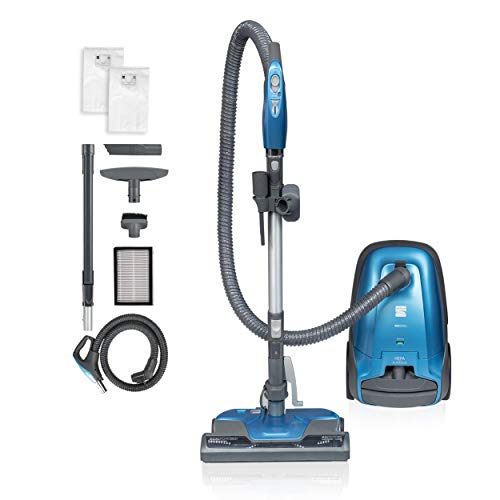
Kenmore BC3005 Pet Friendly Lightweight Bagged Canister
- ✓ Lightweight and maneuverable
- ✓ Powerful suction system
- ✓ Hassle-free storage
- ✕ Slightly pricey
- ✕ Limited color options
| Weight | Less than 20 pounds |
| Suction Power | ≥210W at hose end |
| Cleaning Width | 14 inches |
| Power Supply | 120V, 12A |
| Filtration System | Triple HEPA filter traps 99.97% of particles |
| Extendable Wand Length | Up to 9.5 feet |
Most vacuums I’ve handled tend to be bulky, especially when tackling tight spots like furnace vents or behind radiators. But this Kenmore BC3005 surprises me right away with its featherlight feel—under 20 pounds—and its smooth swivel steering that practically dances around furniture.
The moment I grab the telescoping wand, I notice how easy it is to extend up to 9.5 feet. That’s perfect for reaching into those high or narrow spaces around your furnace, without straining your back.
The 14-inch cleaning width makes quick work of larger surface areas, while the motorized suction really pulls in dust and debris with minimal effort.
What stands out is the triple HEPA filter system, which traps 99.97% of allergens. If you’re cleaning around a furnace, that’s a huge plus—no more worrying about dust getting kicked back into your space.
Plus, the bagged canister design means you can empty it without creating a cloud of dust, which is a relief for sensitive noses.
Having all the accessories—brush, crevice tool, bare floor tool—stored neatly on the vacuum itself makes switching between tasks seamless. And the retractable cord keeps everything tidy, so you’re not battling with tangled cables.
Overall, this vacuum feels like a real workhorse wrapped in a lightweight package, ideal for quick and efficient furnace area cleanups.
PowerSmith PAAC302 Ash Vacuum Cleaning Kit

- ✓ Fits tight spaces easily
- ✓ Includes all essential attachments
- ✓ Compact and organized storage
- ✕ Short hose length
- ✕ Limited to ash and fine debris
| Vacuum Compatibility | Fits 1-1/4 inch vacuum attachments |
| Included Accessories | Crevice Tool, Brush Nozzle, Pellet Stove Hose, Adaptor, Storage Bag |
| Application Compatibility | Suitable for cleaning pellet stoves, wood stoves, fireplaces, and BBQ grills |
| Hose Length | Not specified (likely variable based on included hose) |
| Power Source | Not specified (assumed electric vacuum cleaner) |
| Certifications/Warnings | California Proposition 65 warning for cancer and reproductive harm |
The first time I used the PowerSmith PAAC302 Ash Vacuum Cleaning Kit, I was tackling a stubborn pellet stove that hadn’t been cleaned in a while. I slipped the crevice tool into tight corners and felt how snugly it fit into those narrow spaces between the stove’s seams.
It’s clear this kit is designed for precision cleaning where dust and ash hide away.
The included brush nozzle is surprisingly versatile. I used it on the grill grates and around the fireplace, where ash tends to settle into every nook.
The flexible pellet stove hose is sturdy yet lightweight, making it easier to maneuver without feeling bulky. The adaptor fits perfectly onto my existing vacuum, and the storage bag keeps everything organized, which is a nice touch.
One thing I really appreciated is how well the attachments handle fine ash without clogging or losing suction. It’s a real time-saver, especially when cleaning tight spots that a regular vacuum just can’t reach.
Plus, the kit’s compatibility with other PowerSmith units makes it a flexible addition to my cleaning arsenal.
That said, at just over $13, it’s definitely budget-friendly, but I did notice that the hose is a bit shorter than I expected. If you’re dealing with larger areas, you might need an extension.
Still, for detailed, spot cleaning in fireplaces, stoves, and grills, this kit does exactly what you need without fuss.
Why is Choosing the Right Vacuum Important for Furnace Cleaning?
Choosing the right vacuum for furnace cleaning is crucial because it ensures effective removal of debris and prevents damage to the furnace system.
According to the American Society of Heating, Refrigerating and Air-Conditioning Engineers (ASHRAE), using an appropriate vacuum cleaner can significantly improve indoor air quality by effectively capturing dust and particulate matter that accumulates in the furnace and ductwork (ASHRAE, 2019). A vacuum designed specifically for furnace cleaning typically features high-efficiency particulate air (HEPA) filters that can trap smaller particles, which standard vacuums may not be capable of handling.
The underlying mechanism involves the vacuum’s filtration system and suction power. When a vacuum cleaner is equipped with a HEPA filter, it can capture allergens and fine dust particles that are otherwise released back into the air, which is particularly important for those with respiratory issues. Furthermore, a vacuum with strong suction ensures that debris is fully removed from hard-to-reach areas within the furnace, preventing clogs that could lead to inefficient operation or costly repairs. Research by the Environmental Protection Agency (EPA) indicates that regular maintenance, including thorough cleaning of HVAC systems, can enhance energy efficiency and prolong the lifespan of the equipment (EPA, 2020).
What Features Make a Vacuum Ideal for Cleaning Furnaces?
The ideal vacuum for cleaning furnaces should have specific features that enhance its efficiency and safety.
- HEPA Filtration: A high-efficiency particulate air (HEPA) filter captures 99.97% of particles as small as 0.3 microns, ensuring that fine dust and allergens from the furnace are effectively removed from the air. This is crucial for maintaining indoor air quality, especially when working in confined spaces like furnaces.
- Powerful Suction: A vacuum with strong suction capabilities is essential for picking up heavy debris and soot often found in furnaces. This feature ensures that even the most stubborn particles are efficiently extracted, preventing buildup that could affect furnace performance.
- Long Hose and Attachments: A long hose allows for greater reach, making it easier to access difficult areas within the furnace. Specialized attachments, such as crevice tools and brushes, can help clean intricate parts and corners that are hard to reach with standard tools.
- Durability and Heat Resistance: Since furnaces can be exposed to high temperatures, a vacuum designed with heat-resistant materials ensures that it can withstand these conditions without damage. A durable build also means the vacuum can handle the rigors of regular use in tough cleaning environments.
- Easy to Empty and Clean: A vacuum with a user-friendly disposal system, whether bagless or with easy-to-replace bags, simplifies the process of emptying collected debris. This feature helps maintain the vacuum’s performance and hygiene, especially when dealing with potentially hazardous furnace dust.
- Lightweight and Portable: A lightweight design enhances maneuverability and makes it easier to transport the vacuum around the home. Portability is particularly beneficial when cleaning multiple furnaces or moving between different areas requiring attention.
Which Filtration Systems are Best for Vacuuming a Furnace?
The best vacuum systems for cleaning a furnace include options specifically designed for fine dust and debris removal.
- Shop Vacuums: These powerful vacuums are ideal for tackling tough jobs, including furnace cleaning. They are designed to handle large volumes of debris and can effectively pick up both wet and dry materials, making them versatile for various tasks around the home.
- HEPA Filter Vacuums: High-Efficiency Particulate Air (HEPA) vacuums are excellent for trapping small particles, including allergens and dust. Using a HEPA filter ensures that dust and debris picked up during furnace cleaning are not released back into the air, which is crucial for maintaining indoor air quality.
- Dedicated Furnace Cleaning Vacuums: These vacuums are specifically engineered for furnace maintenance. They typically come with specialized attachments that can reach tight spaces and effectively remove soot and dust from the furnace and ductwork.
- Central Vacuum Systems: If your home has a central vacuum system, it can be a convenient option for furnace cleaning. These systems provide powerful suction and often come with long hoses that can reach various areas without the need to move a bulky vacuum around.
- Wet/Dry Vacuums with Cyclonic Action: These vacuums utilize a cyclonic action to separate dust and debris from the air, preventing clogs and maintaining suction power. They are especially useful for removing heavy debris from furnace cleaning while ensuring that fine particulates are captured efficiently.
How Does Suction Power Affect Furnace Cleaning Efficiency?
Suction power plays a vital role in the efficiency of furnace cleaning. A vacuum with strong suction can effectively remove debris, dust, and other contaminants from the furnace’s internal components, ensuring it operates optimally.
Key factors to consider regarding suction power include:
-
Vacuum Design: Heavy-duty models typically feature higher suction capabilities, allowing them to handle large volumes of dirt and dust without clogging. Canister vacuums usually provide better suction compared to upright models when cleaning tight furnace spaces.
-
Filtration System: A vacuum with a superior filtration system, such as HEPA filters, traps fine particles, preventing them from escaping back into the environment. This is particularly important for maintaining air quality in your home.
-
Cfm Rating: Cubic feet per minute (CFM) is a specific measurement of airflow. Higher CFM ratings ensure that dust and debris are quickly and efficiently collected from the furnace, reducing the time spent on cleaning.
-
Attachable Tools: Consider vacuums that come with specialized attachments like crevice tools or brush heads, enhancing suction power in hard-to-reach areas within the furnace.
Investing in a vacuum with adequate suction power can lead to a cleaner, more efficient furnace, ultimately prolonging its lifespan and improving home air quality.
What Safety Precautions Should Be Taken When Vacuuming a Furnace?
When vacuuming a furnace, it’s essential to follow specific safety precautions to ensure both personal safety and proper equipment function.
- Turn Off Power: Always turn off the power to the furnace before starting the vacuuming process. This prevents accidental activation of the furnace while you are cleaning, which could lead to injuries or damage to the equipment.
- Use a Shop Vacuum: Opt for a shop vacuum that is designed for heavy-duty cleaning, especially one with a HEPA filter. This type of vacuum can effectively handle the fine dust and debris that accumulates in a furnace without releasing harmful particles back into the air.
- Wear Protective Gear: Equip yourself with protective gear such as gloves, goggles, and a mask. This helps protect your skin and eyes from dust and debris, as well as preventing inhalation of potentially harmful substances.
- Check for Flammable Materials: Before vacuuming, ensure that there are no flammable materials near the furnace. Cleaning around combustible items can pose a fire risk, so it’s crucial to remove any such items from the area.
- Be Cautious of Electrical Components: While vacuuming, take care around electrical components and wiring. Avoid using a vacuum with a damaged cord and keep water or liquids away from the vacuum to prevent electrical hazards.
- Regular Maintenance Checks: Schedule regular maintenance checks on your furnace. Regularly inspecting and cleaning the furnace can help prevent the buildup of debris that requires vacuuming, thereby enhancing safety and efficiency.
- Follow Manufacturer Instructions: Always refer to the furnace’s manufacturer instructions regarding cleaning and maintenance. These guidelines can provide specific safety measures pertinent to your particular model, ensuring effective and safe operation.
What Hazards Should You Consider When Using a Vacuum?
When using a vacuum for cleaning a furnace, several hazards should be considered to ensure safety and efficiency.
- Electrical Hazards: When vacuuming around a furnace, be aware of the risk of electrical shock. Furnaces often have exposed wiring and electrical components that can be damaged or short-circuited if they come into contact with water or improper vacuum use.
- Fire Hazards: Using a vacuum near a furnace can pose fire risks, especially if the vacuum is not designed for such environments. Combustible materials like dust and debris can ignite if they come into contact with hot surfaces or sparks generated by the vacuum.
- Inhalation of Particulates: Furnaces can produce a variety of particulate matter, including dust, soot, and other harmful allergens. Using a vacuum that doesn’t have a proper filtration system can lead to inhaling these particulates, which may pose health risks.
- Improper Use of Vacuum Type: Not all vacuums are suitable for furnace cleaning. Using a regular household vacuum instead of a specialized shop vacuum can lead to damage to the vacuum and insufficient cleaning, as household vacuums may not handle heavy debris or high temperatures effectively.
- Physical Injury: Vacuuming in confined spaces around a furnace may lead to physical injuries such as strains or falls. It’s essential to maintain proper posture and be mindful of the vacuum’s weight and the environment to prevent accidents.
What Maintenance Practices Enhance the Performance of Furnaces?
Maintenance practices that enhance the performance of furnaces include regular cleaning, inspection, and replacement of parts.
- Regular Cleaning: Keeping the furnace clean is essential for optimal operation, as dust and debris can block airflow and reduce efficiency. Using a vacuum designed for cleaning furnaces, such as a shop vacuum with appropriate filters, helps to remove accumulated dirt from burners and other components.
- Filter Replacement: Regularly replacing air filters is crucial for maintaining good airflow and preventing strain on the furnace. Clogged filters can hinder performance, leading to higher energy costs and potential damage to the unit.
- Inspection of Components: Periodic inspections of furnace components, including the blower motor, heat exchanger, and ignition system, can identify wear and tear that may lead to breakdowns. A thorough inspection allows for timely repairs or replacements, ensuring the furnace operates efficiently.
- Lubrication of Moving Parts: Lubricating moving parts like the blower motor and fan bearings keeps them functioning smoothly and reduces wear over time. This practice helps maintain energy efficiency and prolongs the lifespan of the furnace.
- Professional Maintenance: Scheduling annual maintenance with a qualified technician can uncover potential issues and ensure that all components are operating correctly. Professionals can perform in-depth cleaning and safety checks that homeowners may overlook.
How Can You Prolong the Lifespan of Your Vacuum Cleaner?
Avoiding overload is crucial, especially when cleaning a furnace where debris can accumulate quickly. Overloading the vacuum can lead to overheating and damage to the motor, which is often one of the most expensive components to replace.
Proper storage is essential to protect your vacuum from environmental factors that might cause damage. Keeping it in a dry, temperature-controlled area helps prevent issues such as rust or electrical failures, ensuring that it remains functional for a longer period.
Finally, following the manufacturer’s guidelines for usage and maintenance helps you understand the specific needs of your vacuum cleaner. This includes knowing how often to perform maintenance tasks and any special considerations for using the vacuum in unique scenarios like cleaning a furnace.
Related Post: